








TL;DR:
- Speed with empathy: Use AI to quickly generate copy options, but rely on human designers for emotional connection and visual hierarchy.
- Protect your property: The US Copyright Office requires human authorship for intellectual property rights. Fully automated content cannot be copyrighted.
- Scale without hiring: Platforms like Penji bridge the gap, pairing your machine-generated text with top-tier human designers for rapid, high-quality execution.
Content demands are higher than ever. You needed ad variations, landing pages, and email campaigns launched yesterday.
Generative text tools can produce thousands of words in seconds. You type a prompt, and a machine spits out a dozen campaign angles. But raw text on a screen fails to convert audiences. A massive wall of machine-generated text requires structural context and visual hierarchy to actually capture attention.
To scale your output effectively, you need a system that pairs automated speed with human empathy. You need generative design services that take raw data and turn it into compelling, brand-aligned visuals.
This guide breaks down exactly how to pair machine-written copy with human creative talent. You get high-volume production without sacrificing quality or risking your intellectual property. Let’s look at how this symbiosis fundamentally changes your creative workflow.
What Is the AI-Human Design Symbiosis?
Artificial intelligence processes data and predicts patterns of words. It’s really fast. But it has no emotional intelligence. It doesn’t know the nuances of your brand guidelines. Certainly not about the pain points of your target audience.
Visual communication requires a distinctly human touch.
The collaborative creative workflow solves these problems. This system employs artificial intelligence to create foundational text, data-driven variations, and structural outlines. Then visual strategy is performed by human professionals. This ensures emotional connection and brand consistency across all marketing assets.
Here is a clear look at how the responsibilities break down:
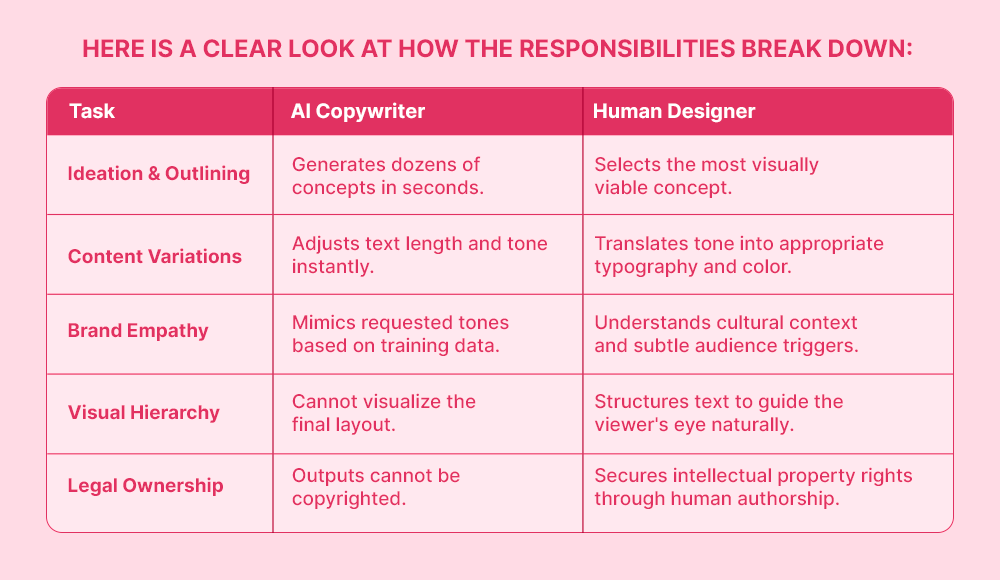
By separating the heavy lifting of writing from the strategic execution of design, your team moves faster. You harness the best of both worlds. Now, you need a repeatable process to make this handoff work.
The Core AI-to-Human Workflow
Building a frictionless pipeline between text generation and visual execution is the foundation of modern content scaling. You need a process to pass machine-generated copy off to creatives.
Here are three steps to keep your core message consistent from prompt to final pixel.
1. Draft and Refine the Copy
Write a few different versions of your messaging to start. I see you’ve been looking at the same thing I have. You set your character counts, tone of voice, and the audience you want to reach.
After the text is generated, a human editor must intervene. Proofread copy for accuracy. Cut out the robotic phrasing. Ensure the text actually sounds like your brand.
2. Map the Text to Your Visual Architecture
Designers need to know how text interacts with visual elements. Decide the structure of the final asset and send a copy to a graphic artist.
Set your main headings, subtext, and call to action buttons. When building a design system for a B2B product, this alignment is important to have a consistent look and feel across all touchpoints.
3. Give the Human Designer a Briefing
Turn your polished text into a full-on creative brief. Please provide the exact copy, your brand assets and detailed instructions on the mood of the piece.
Give your creative team the context needed to make strategic visual decisions. Tell them exactly what the business goal is. Give them the freedom to elevate the written word.
This structured handoff speeds up production. But speed means nothing if you do not legally own the assets you produce. Next, we address the legal realities of automated content.
Who Actually Owns Your AI-Generated Creative?
There are some serious legal implications to automation in your creative process. You need to face these realities head-on in order to protect your brand reputation and your intellectual property.
The US Copyright Office has stated that works that are “produced entirely by an artificial intelligence” are not eligible for copyright protection. Human authorship is required for intellectual property protection. This was reiterated in the 2024 and 2025 policy reports on generative AI outputs, released in recent months.
If your business utilizes AI-generated text and AI-rendered images for marketing campaigns, you do not have legal ownership of those assets. Your data can be used/copied freely by competitors. You have no legal recourse.
Using human designers to arrange, modify, and visually interpret generated copy ensures your final creatives meet the threshold for legal ownership.
Furthermore, machine learning models are trained on large datasets that contain historical biases. If you leave it to the algorithm, automated visual generation can easily generate graphics that are culturally insensitive or damaging to your brand. Human designers bring cultural awareness. They’re a crucial filter actively protecting your brand integrity.
These legal and ethical guardrails are dramatically reshaping the job of the creative professional.
The Evolving Role of the Designer

Generative tools are being adopted, and the graphic design industry is changing rapidly. It does not replace the creative professional but adds to their day-to-day tasks.
Today’s designer is moving from a traditional pixel pusher to a more strategic creative director.
Language models take care of content ideation, which means designers spend less time waiting for text assets. They spend more time on the visual strategy, and they are curators. They also turn good data into great brand stories.
AI tools for design services can take on the repetitive adjustments, allowing the human talent to focus on high-level problem-solving and user experience. There is an increasing demand for human designers as companies realize that automated text has to be grounded in human empathy.
Growing teams now face the next major hurdle: finding the right talent to keep pace with this automated speed.
Which AI Tools for Design Services Should You Use?
Generative tools are being adopted at a fast pace and they are transforming the industry. This technology does not replace creative professionals, it elevates their day-to-day responsibilities.
The designer of today is becoming a strategic creative director. They spend less time writing filler text and more time focusing on visual strategy.
To help propel that change, marketing teams use certain AI tools for design services and content generation. Here is a breakdown of the top tools used in 2025:
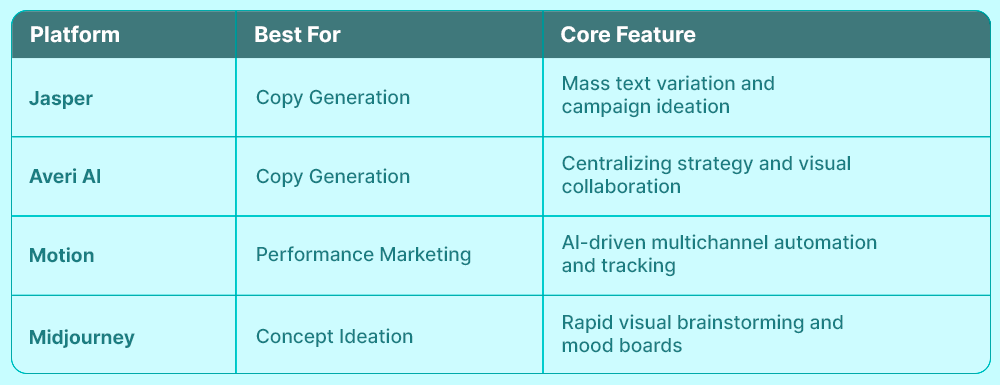
These tools do the heavy lifting in idea generation.But managing the final human execution can still create bottlenecks. That brings us to how you source your talent.
Scaling Creative Output With Penji

Connecting rapid text generation with high-quality graphic design often creates a bottleneck. Hiring full-time designers to keep pace with automated copy is expensive. Managing multiple freelancers wastes your time.
Penji offers the ultimate solution.
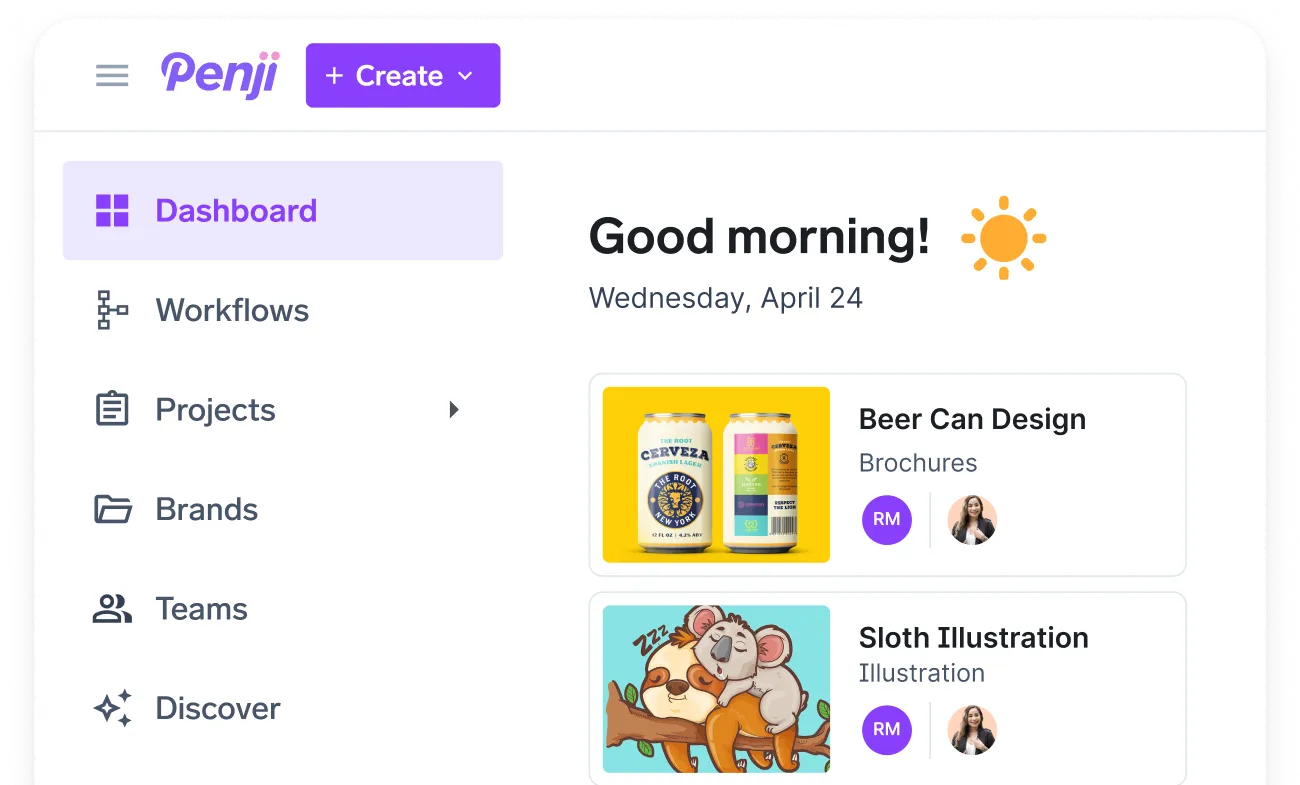
Penji provides unlimited graphic design services through a streamlined platform. You feed your AI-generated copy directly into a Penji design brief. You instantly connect with top-tier global talent. Penji handles the vetting and management. You get fast, high-quality, human-crafted designs that perfectly align with your machine-generated text.
Like a full-service creative agency, at a fraction of the cost. Your own creative department — without a single new hire on payroll.
Using design as a service allows you to scale your creative output indefinitely. You harness the rapid ideation of generative models. Penji delivers the strategic, human-led design required to convert your audience in 24 to 48 hours. Let’s look at exactly how this process works in a real-world scenario.
Boost your business with unlimited graphic design
Try Penji risk-free for 30 days and get all your design projects done






The Agency Use Case
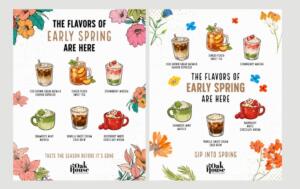
Think about a digital marketing agency running a complete campaign for a new software client. The agency requires 50 different ad creatives for A/B testing across different platforms.
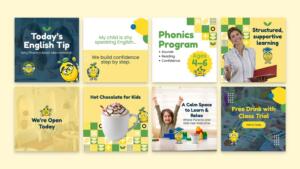
The copywriter employs an automated writing assistant to generate 50 ad copy variants in an afternoon. They feed the copy into their Penji dashboard instead of overloading an in-house designer or risking copyright issues with automated image generators.
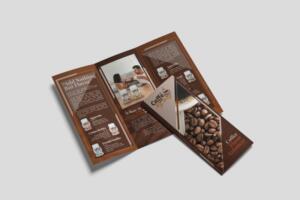
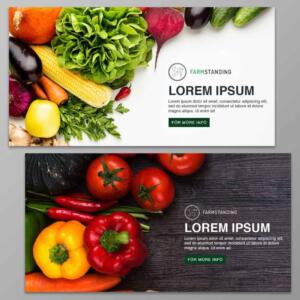
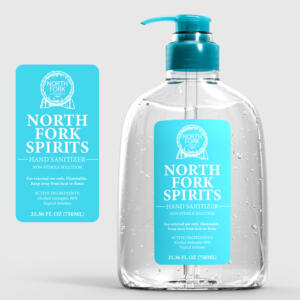
Penji’s professional designers create all 50 variations for you within 24 to 48 hours to fit your brand.
The agency successfully pairs the speed of automated copywriting with the high quality and legal security of human design. The campaign launches on time. The client gets results.
Conclusion
Achieving massive scale in your content production requires more than fast typing. It requires a strategic marriage of data processing and human empathy.
By using automated tools for rapid copywriting and relying on human professionals for your visual assets, you ensure your marketing materials remain impactful. Your assets stay legally sound. Your visuals perfectly match your brand voice.
Don’t let your fast-paced content ideation go to waste due to a lack of design bandwidth. Try Penji today. Get the best of both worlds: automated speed and best-in-class generative design services.
Frequently Asked Questions
Yes, if a human designer significantly modifies and structures the final asset. The US Copyright Office requires substantial human authorship to grant copyright protection. Pairing machine-generated text with human graphic design usually qualifies.
AI will not replace human designers — it will elevate them. Automation handles repetitive tasks. This means your designers can concentrate on high-level strategy, creative problem solving and building your brand.
To brief a designer, format your generated text clearly. Separate it into sections like “Headline,” “Body,” and “Call to Action.” Include brand guidelines, audience context, and visual notes so the designer understands the goal.
About the author

Je Ann Bacalso
Je Ann is a creative content writer who crafts engaging, SEO-friendly articles and web copy. With a passion for storytelling and a sharp eye for detail, she delivers clear, compelling content that connects with readers.