








TL;DR: Focusing on repetition, prioritizing your most successful visual assets, and creating lean guidelines are a few ways to build a design system for your business.
Most of the time, small businesses forgo graphic design services for fear of it taking up a huge chunk of their limited budget. And so, they resort to online templates or working with freelancers, which may not be the best for their brand identity. While these can save them money, the lack of a clear design system results in drained energy, time, and resources. You can change all that when you build a design system while still maintaining your budget. Here’s how.
Start Thinking About Repetition
Many are unaware of it, but branding is really about repetition. When you recreate a social media post, an email banner, or a sales deck, you’re unintentionally building a design system. These are the recurring tasks you should turn into reusable templates to save time and keep your brand identity consistent.
Every repeated design task is an opportunity to build a system:
- Social media graphics: Create a set of branded templates that you can quickly update, rather than create one from scratch every single time.
- Web graphics: Use consistent styles for your product’s imagery, icons, and promotional banners to help strengthen recognition.
- Sales presentations: There should be a standard layout, fonts, and colors for these to make every pitch look polished and on-brand.
- Email banners: Craft a library of headers and footers that you can easily drop into campaigns.
If you notice your visuals becoming inconsistent over time, you’ll realize how crucial having a design system is to your business.
Extend Your Creative Team the Affordable Way
Boost your business with unlimited graphic design







Make a List of the 20% of Assets You Use 80% of the Time
Save time, money, and effort on what matters most to your business. Know that not all visuals your business creates need to be systematized. The best approach is to focus on the assets that you most often need, the ones that drive your daily marketing and sales. When you identify these most-used designs, building a system becomes easy.
Check your existing marketing materials:
- Collect your most recent designs from your social media posts, presentations, banners, and ads.
- Find recurring elements such as logos, fonts, and color palettes.
- Identify inconsistencies in style, layout, or tone that dilute brand recognition.
This will show you where repetition occurs and where a design system can reduce wasted effort. Then prioritize the assets that recur: social posts, ads, landing pages, and promotional banners that require quick turnaround and consistency.
Key takeaway: Build a design system around what you use the most. Focus on the 20% of your assets that drive 80% of your creative output. This maximizes impact while reducing the costs.
Build a “Minimum Viable Design System”
If you’re skeptical because you think building a design system is complicated, it’s not. It’s as simple as getting hold of the essentials and making them easy to use. It’s a starter kit, if you will, that keeps your brand consistent without chopping a huge chunk out of your budget.
Define your visual essentials by focusing on the basics:
- Primary and secondary colors for a clear palette
- Typography hierarchy for headlines and body text
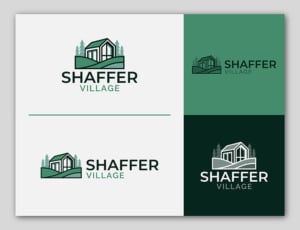
- Logo rules for sizing and placement
- Imagery style to guide photography or illustrations
Build simple guidelines for use:
- Clear do’s and don’ts for your logo and colors
- Spacing standards to prevent cluttering
- Basic layout rules for your ads, banners, and posts
Keep documentation lean by building a system that is quick to reference:
- A one-page design guide
- A shared cloud folder of templates
- Simple reference sheets for the whole team
This allows for consistency without overwhelming your marketing team. And if you do get overwhelmed, find a design service for small businesses to help you.
Reuse Your Best Designs
Find your best designs and turn them into reusable templates. Instead of wracking your brain for new ideas that you aren’t sure will work, create templates of your strongest designs. Reuse them and adapt when needed.
Start with your proven performers:
- Most engaging social media posts
- Highest converting ads
- Frequently-used presentations
Build template categories for:
- Awareness campaigns for visibility
- Product launches to showcase new offers
- Promotions for seasonal deals
- Educational content to build authority
Why templates reduce costs over time:
- Less revisions
- Faster production
- Easier delegation
This repeatable process saves you time while maintaining branding consistency. If you don’t know how to create templates, turn to graphic design subscription services to help build you a template library.
Outsource Graphic Design Services

While building an internal design team may seem like the most cost-effective route, there is a better alternative. When your small business grows and requires more designs, DIY design just won’t do anymore. You end up with an overwhelmed team and inconsistent visuals. This is when you should be outsourcing your graphic design services.
When DIY no longer works:
- Your design needs are increasing, your team gets drowned in design delays and bottlenecks, while stripping your resources
- Lack of design expertise will lead to amateurish visuals
- Inconsistent outputs weaken your identity
Comparing budget-friendly options:
- Freelancers who are flexible, but it can be a hit-or-miss endeavor
- Agencies aren’t for lean budgets
- Design service for small businesses, especially the design-as-a-service model, offers tailored support for a single monthly fee
Why graphic design subscription services are ideal for lean teams:
- Predictable monthly costs
- Ongoing access to creative support without the hassles of hiring
- Faster turnaround times
In short, design-as-a-service maintains your design system affordably. They help you keep consistency and grow with your design needs without the overhead of building an in-house team.
Treat Your Design System as a Business Asset
Building a design system doesn’t mean you’re building a set of rules. It’s a must-have business asset that allows your brand consistent designs, a stronger brand identity, and a smoother workflow. Train everyone on your team to use it and use it consistently.
Then, review it and improve every now and then, quarterly or when necessary. Get rid of outdated templates and add new ones when your campaigns require them. Lastly, update your branding elements as your identity grows.
Final Thoughts
A design system isn’t something to add to a business owner’s complications, it’s a practical tool. It saves you time, money, and creative energy. And if you want to do it right, let a design service for small businesses handle them for you.
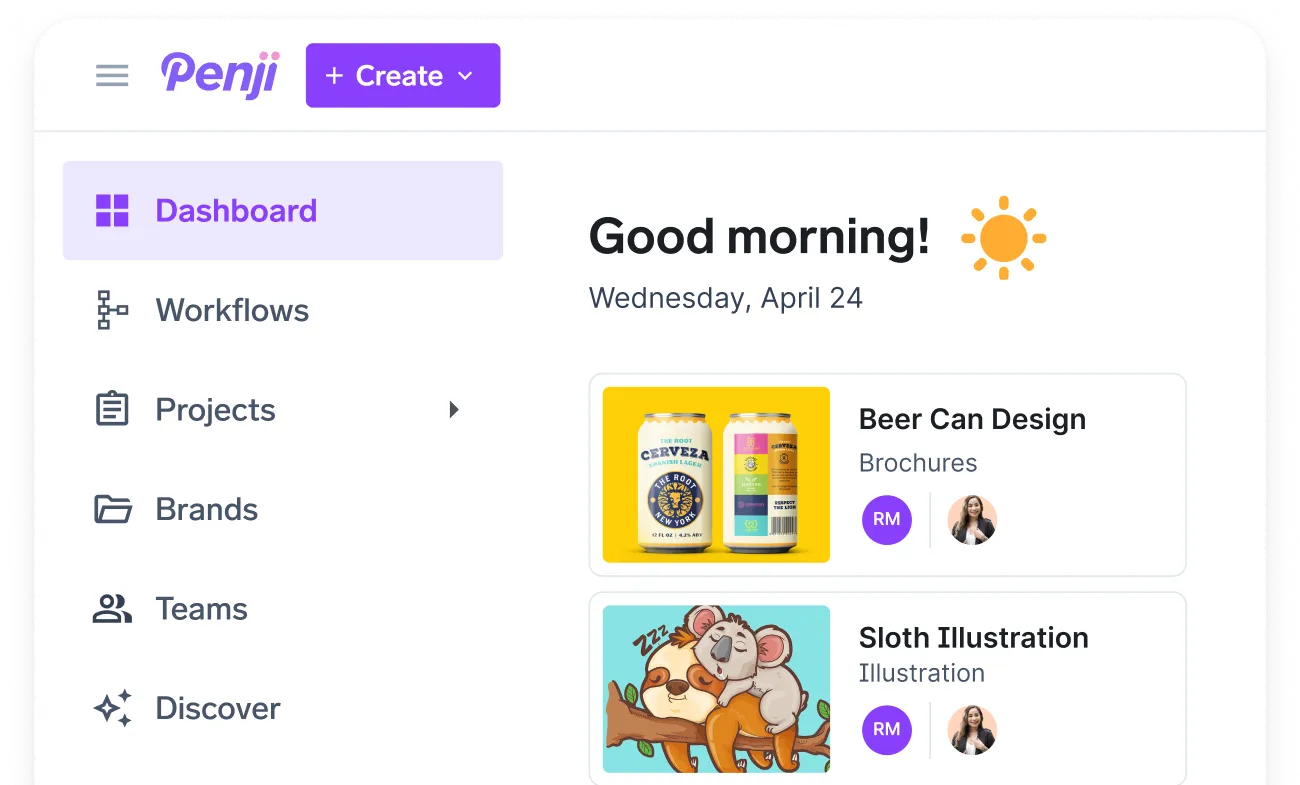
Watch our quick demo video here to learn how Penji can help you get the best graphic design services for less. Click here to submit your first design request.
FAQs
It’s a set of rules to standardize your business branding across platforms. It also includes templates and guidelines to keep everyone on the team on the same page.
They will provide professional support to create your templates, branding elements, and consistent visuals for all your marketing platforms.
A brand guideline lists your identity (logos, colors, typography), while a design system shows how to apply those elements.
About the author

Celeste Zosimo
Celeste is a former traditional animator and now an SEO content writer specializing in graphic design and marketing topics. When she's not writing or ranking her articles, she's being bossed around by her cat and two dogs.