








TL;DR: A brand identity system is far more than a logo. When developing brand guidelines, brand design services use visual elements to reflect what the brand stands for, leading to consistency and a stronger brand identity.
How important is a brand identity system in growing a business? Let’s look at the numbers. Data tells us that 33% of businesses said brand consistency contributed substantially to their revenue growth.
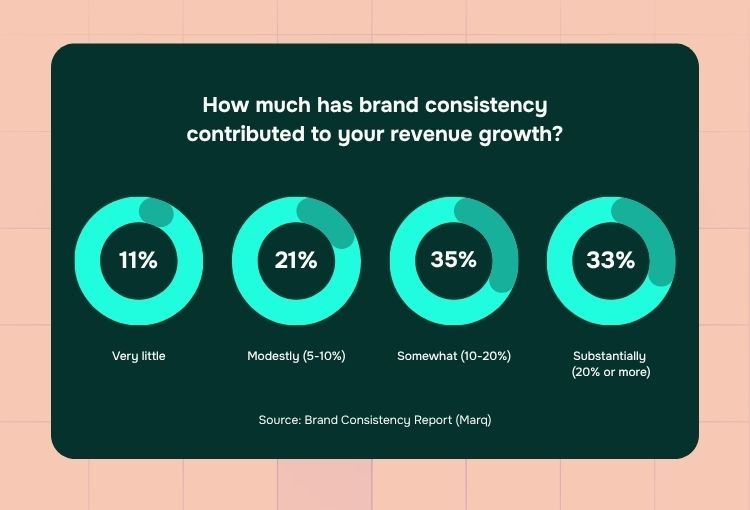
Another 35% of ventures, meanwhile, said it somewhat contributed to their business income. With the majority of respondents reporting positive outcomes from brand consistency, branding services are surely a tool worth exploring.
In this article, we’ll tackle the basics of brand strategy, specifically visual identity offered by professional brand design services. We’ll also look at branding work samples crafted by our awesome designers at Penji to inspire you as you work to develop your own brand identity system. Let’s dive right in!
What Is A Brand Identity System?
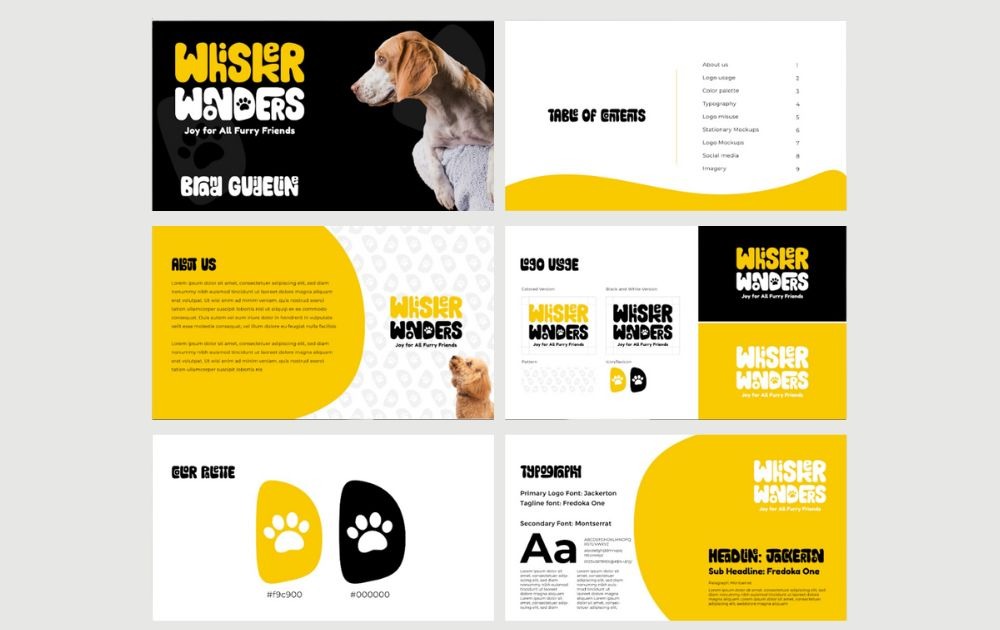
A brand identity system is a set of pre-approved design decisions, rules, and tools that help ensure that your brand looks and feels the same across channels.
The right brand design services would go beyond making the branding package look beautiful; more importantly, the identity system must reflect the brand’s roots, vision, and values.
A good brand identity system starts with brand guidelines, which are typically a guidebook of branding tools used when presenting the business to its audience.
Brand identity design by the world's top 2% designers
Unlimited graphic design at a flat monthly rate
How Is A Brand Identity System Different From A Logo?
Merriam-Webster defines a logo as an identifying symbol.
To illustrate the difference between a logo and a brand identity system, let’s take a look at one of the most popular logos today: Apple, which is the number one most valuable brand in 2025.
Now, their logo may look simple, and it ticks all the boxes in the list of expert logo design tips. However, the logo is just the tip of the iceberg. In fact, the company has a 56-page Apple Identity Guidelines for channel affiliates and Apple-certified individuals.
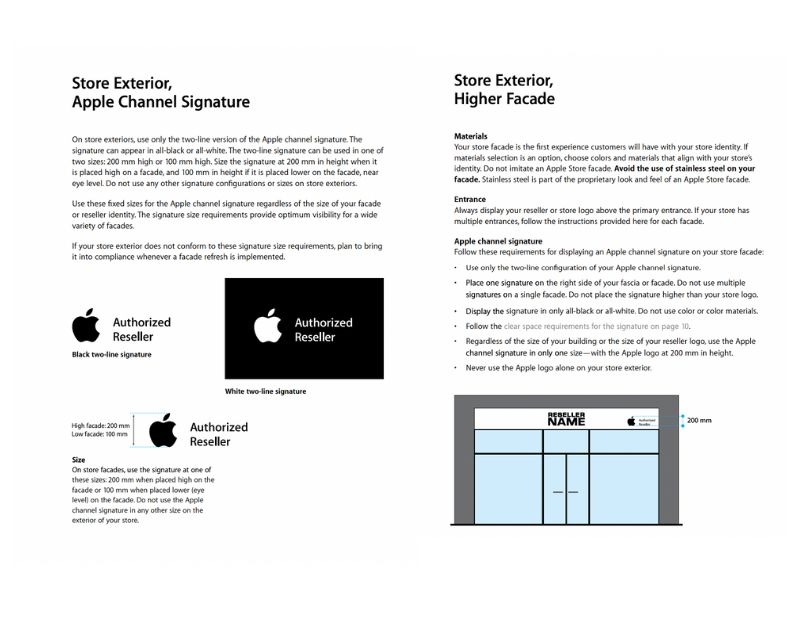
What can we learn from Apple’s detailed guidelines? Building and maintaining a valuable brand takes a lot of effort, because:
- Consistency Builds Recognition. Almost everyone on the planet would recognize Apple’s logo in an instant, and all of that is no accident. After all, the company made sure that any touchpoint, be it their website or a store facade, reflects the same brand style.
- Rules Need to be Clear. Apple’s brand style guide is the epitome of clarity. Measured measurements, exact colors, and spacing rules are discussed, leaving no room for inconsistencies.
- Brand Equity Needs to be Protected. Apple made sure that its brand kit would keep all of its visual assets anchored to one style. Without these rules in the brand manual, its look could be diluted by the evolution of its messaging across channels, from billboards and brick-and-mortar stores, to social media, packaging design, and website.
What Elements Make Up A Complete Brand Identity System?
Whether you’re hiring a brand designer, getting on-demand brand design services, or taking the DIY route, here are the essential elements of a brand identity to keep in mind:
1. Logo System
A logo system goes beyond the logo. In fact, when you ask expert brand design services to design a logo system for you, they will include elements like:
- Primary logos
- Secondary logos
- Icon versions
Some would also include spacing rules, size limits, and background usage. These additional details and assets ensure that the logo works across platforms and formats.
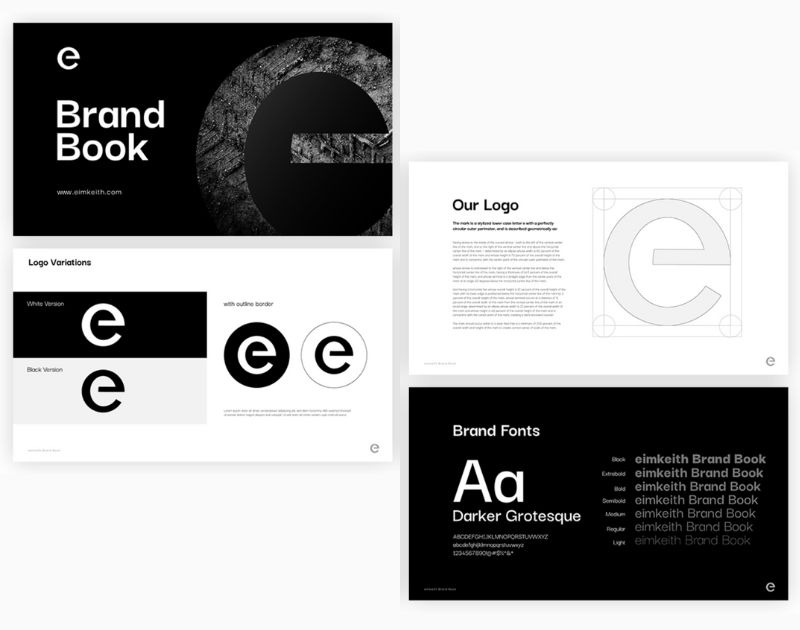
For instance, the logo system above, crafted by one of our expert designers here at Penji, offers logo variations, including the black and white versions, as well as logo designs with an outline border.
2. Color Palette
Next is the color palette. To be truly consistent with your brand assets, you must set your:
- Primary colors
- Secondary colors
- Neutral colors
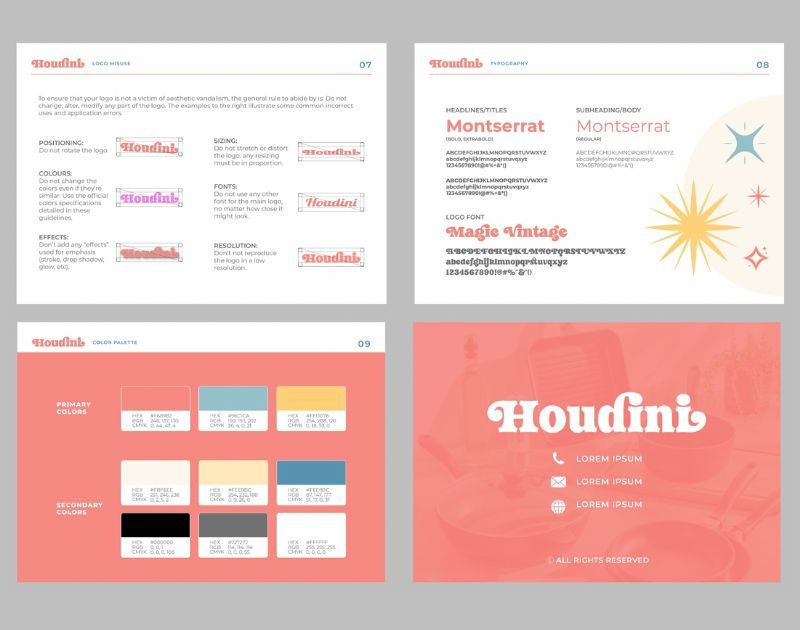
As seen in the example above, the brand guidelines provide the exact colors, including the HEX, RGB, and CMYK values.
3. Typography
Another crucial part of the brand identity system is the typography. This sets the font choices, hierarchy, and usage. For each visual asset to look intentional, the brand kit should explain which fonts are used for:
- Headlines
- Body copy
- Accents
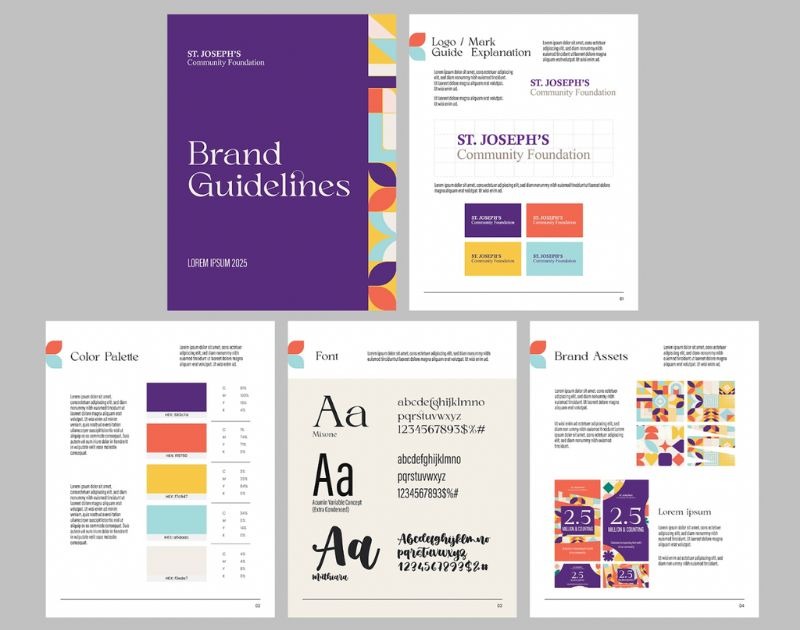
In the example above, the brand guidelines specify the three main fonts for the brand, specifically, a serif, a sans serif, and a script font.
4. Layout and Visual Rules
Having clear rules on layouts and measured spaces allows brands to maintain a consistent look across various assets. It also ensures that, whether you’re using design-as-a-service, hiring a freelancer, or partnering with a full-service branding agency, the look stays consistent because there are guidelines in place. Take this brand kit, for example:
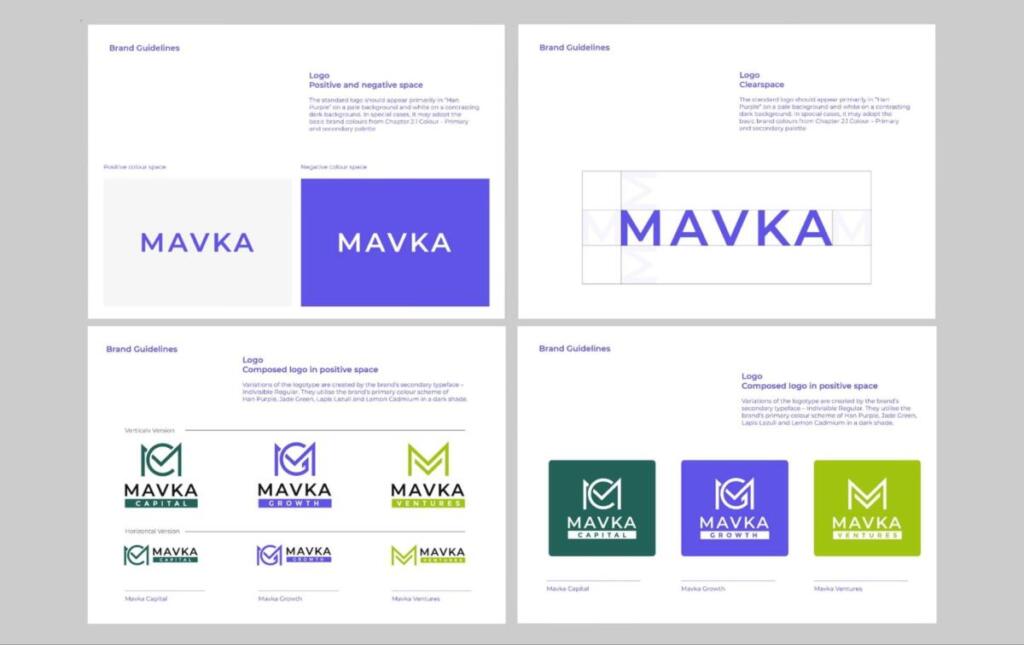
One section in the brand guidelines clearly provides rules on logo clearspace, ensuring that the logo has the same negative space no matter where it is used.
5. Templates and Repeatable Assets
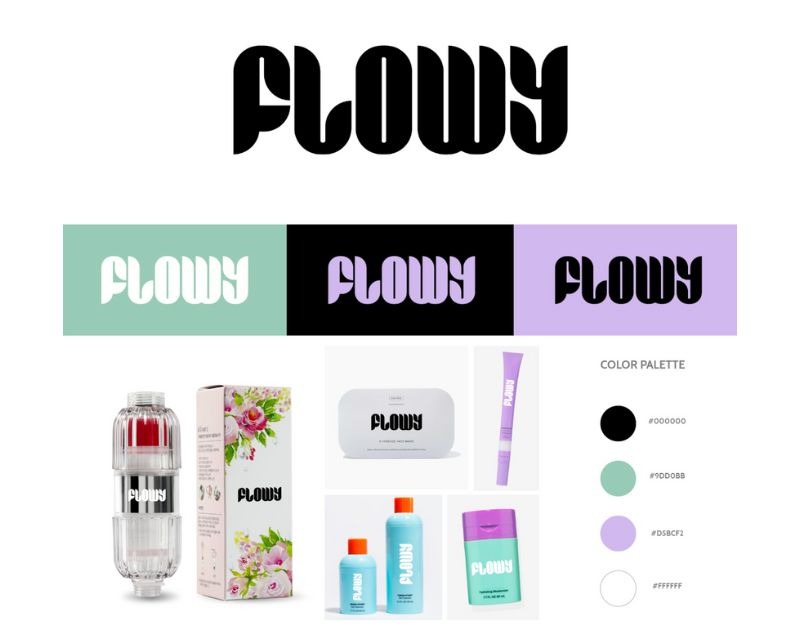
Professional branding services also include templates and repeatable assets in the brand identity system.
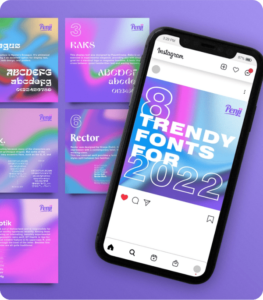
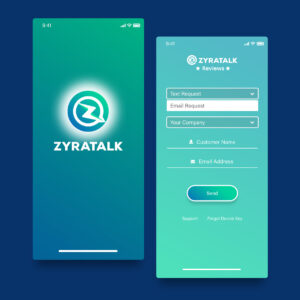
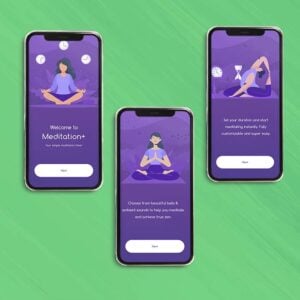
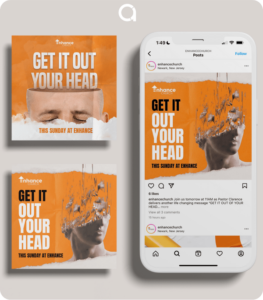
With this section in place, it’s easier and faster to execute new designs because there’s already an existing context for usage, like packaging, such as the ones included in the example below.
How Does Unlimited Graphic Design Fit Into Building A Brand Identity System?
Without a doubt, having a solid brand identity system is crucial for brands. However, having one is only half the battle; implementing it is just as important.
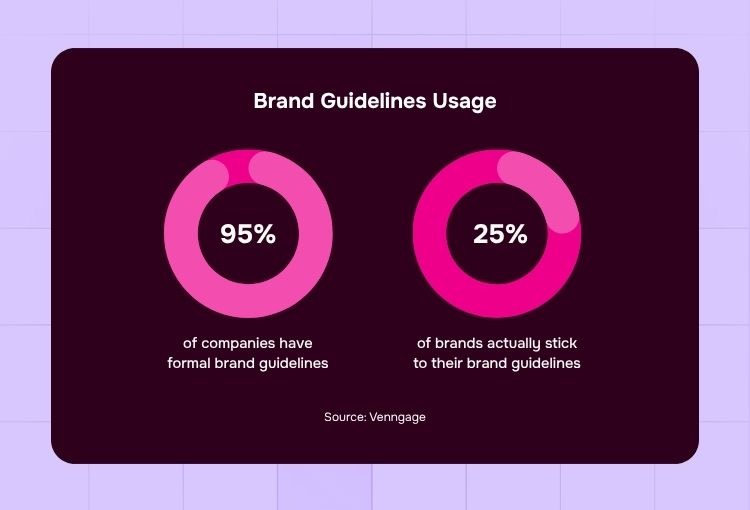
Data reveals that 95% of companies already have formal brand guidelines. However, only 25% of brands actually stick to these design systems.
This is where an unlimited custom graphic design service can make a world of difference. With branding and design services providers like Penji by your side, you can rest assured that your brand assets stay consistent across visual assets, both online and offline.
The Lowdown
Expert brand design services not only build a brand identity system; they craft one that truly reflects a brand’s core, identity, and values.
Alongside building a system, the best branding agencies make sure that brand kits don’t merely exist; they are applied to each and every visual asset.
If you need custom graphic design services that make a mark, encourage engagement, and foster brand loyalty, reach out to Penji. Powered by the world’s top 2% designers, it’s no surprise why Penji is the favorite branding services provider among brands all over the world.
Frequently Asked Questions (FAQs)
What are brand design services?
Brand design services provide skills and expertise to develop a complete visual and strategic system that defines how a brand looks across all channels. This brand identity design fosters recognition, clarity, and consistency.
Is a brand style guide really necessary?
Yes. A brand style guide empowers a brand to stay consistent across all visual assets. By using consistent colors, font, icons, layouts, and other design elements consistently, every visual asset looks and feels connected.
Are unlimited graphic design services good for branding?
Yes, if used correctly. Professional unlimited or on-demand design services like Penji are good for branding because they ensure that all visual assets stay consistent with the brand identity system, helping the business build a solid reputation as a reliable brand.
About the author

Carla Deña
Carla is a journalist and content writer who produces stories for both digital and legacy media. She is passionate about creativity, innovation, and helping small businesses explore solutions that drive growth and social impact.