









TL;DR – When you hire a graphic designer, the first thing you need to know is how to create a clear design brief to ensure that you and your design team are aligned. With a fail-safe format, you won’t have to be creative yourself to come up with a design brief that gets results fast.
So, you got a graphic design subscription, and it’s supposed to be a turnkey solution that allows you to get unlimited graphic design services from professional creatives.
But one thing intimidates you: writing a design brief when you don’t consider yourself a creative person.
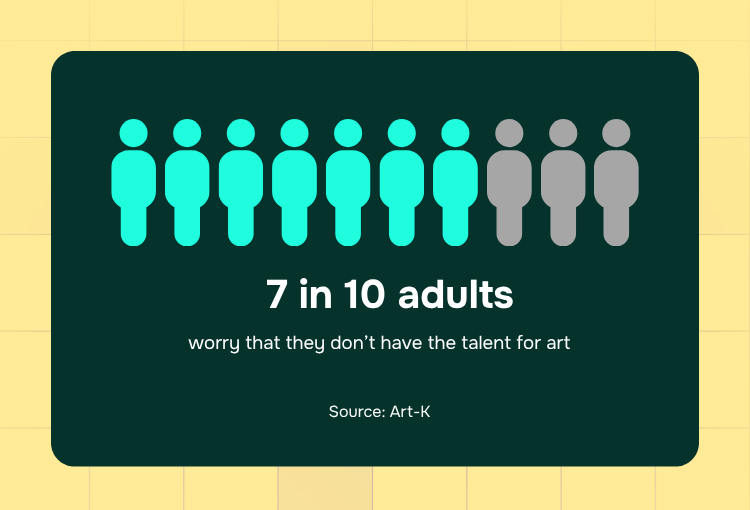
You’re not alone. In fact, 7 in 10 adults believe they don’t have the talent for art.
The good news is, you don’t have to be an artist to create a brief when you hire a graphic designer. In this article, let’s tackle how to brief a designer efficiently to help you get the most out of on-demand graphic design services.
Why Do People Without Design Experience Struggle to Brief Designers?
People who don’t have design experience often struggle to brief designers for two reasons:
- They don’t know how to describe the aesthetic they want
- They don’t know what they want
Whichever category you fall into, your remote graphic design services provider will surely have difficulty creating a design that fits your goals if your brief doesn’t set them up for success in the first place.
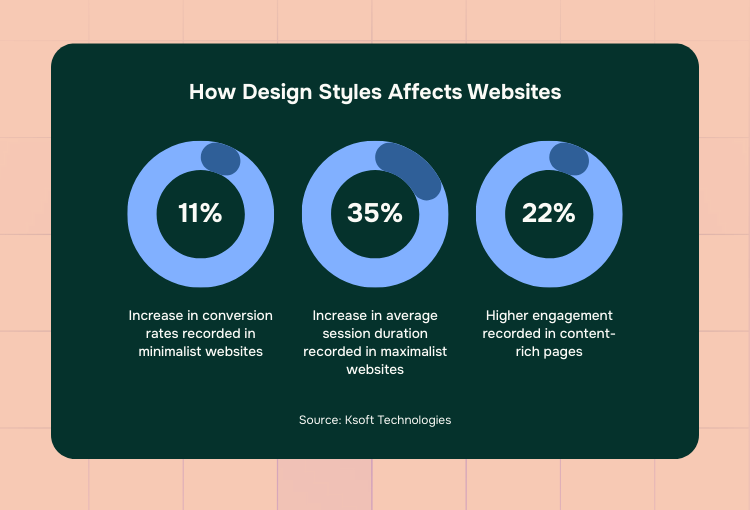
For brands, more is at stake. For instance, data reveals that design affects how visitors interact with websites, whether they’re minimalist, maximalist, or content-rich.
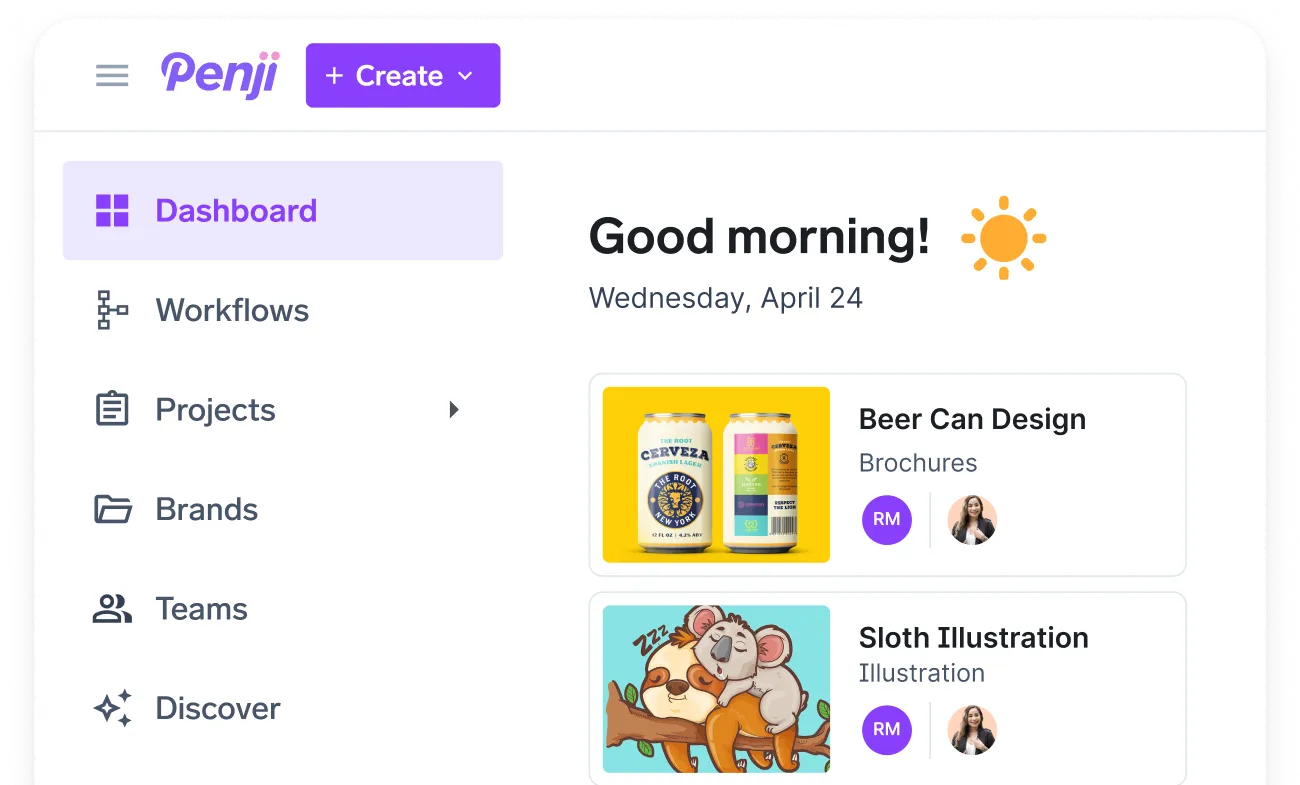
When you hire a graphic designer or outsource graphic design to a design-as-a-service platform like Penji, it takes the heavy load of design tasks off your back. However, you need to do your part by creating a design brief that helps ensure you and your design team are aligned.
Professional design services by the world's top 1% designers
Unlimited graphic design at a flat monthly rate
What Should Be Included In A Design Brief?
If you want to learn how to write a design brief for remote graphic design services, here’s a format you can copy-paste and edit with your unique requirements.
1. Project overview
Whether you’re hiring graphic designers or working with a design-as-a-service platform, the first thing you need to do is to provide a context of what the project is about.
Keep it simple and easy to understand.
Example: “Our brand is launching a new juice line and needs social media graphics for the campaign.”
2. Business goals
Next, describe what goals you’re trying to achieve with the design. After all, the design doesn’t only need to be pretty, but it should work to support a business objective.
Examples:
- Increase website signups
- Generate product sales
- Improve brand awareness
- Promote an event
3. Deliverables
Describe what deliverable or deliverables you need, whether it’s an ad visual, a website banner, or a packaging design. Make sure to include the file format and the dimensions you need.
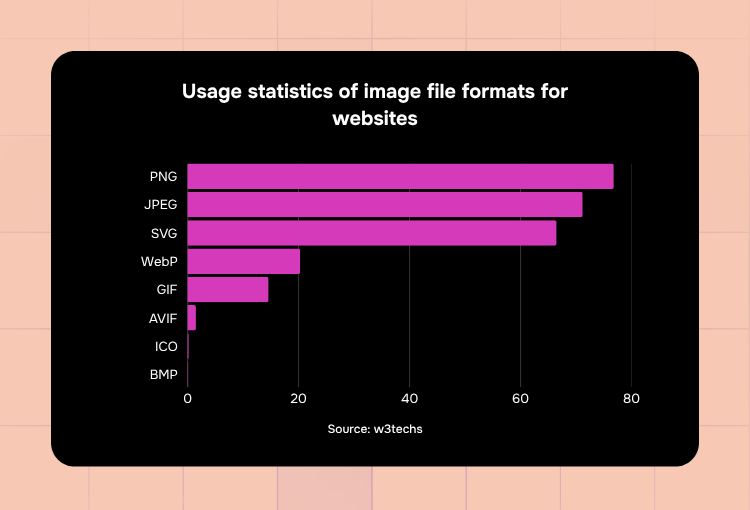
Different projects need different image file types. For example, a variety of image file formats are used for websites alone.
4. Timeline
Reputable service providers would already have a clear turnaround time in place. In Penji, for instance, a turnaround time of 24-48 hours is applied across projects.
That said, it’s also a good practice to include the date you need the design, just to ensure that you and your design team are on the same page.
5. Brand guidelines
If you have brand guidelines, attach the document to your design brief to ensure that the design stays in sync with the brand.
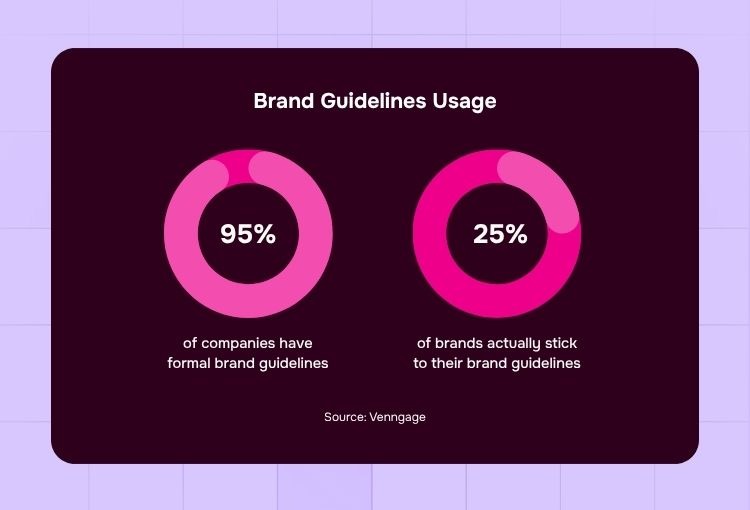
Consistent usage can be a unique advantage for your brand, as data reveals that although 95% of companies have brand guidelines, only 25% stick to them.
6. Visual examples
Visual examples are the best tools to describe your design preferences, even if you’re not a designer. Take the time to browse visual inspirations and attach them to your brief
Pro Tip: Instead of attaching 20 images, which could confuse the design, apply the “3-and-Why Rule.” Use three visual references and explain why each one appeals to you.
Final Thoughts
Hiring a remote graphic designer isn’t a one-and-done task. You need to do your part in crafting a design brief that will empower your service provider to offer the best graphic design support and take you closer to your goals one step at a time.

If you’re looking for a graphic design subscription to partner with, reach out to Penji. A highly rated graphic design team, Penji is backed by the world’s top 1% designers.
Check out Penji’s portfolio and see why Penji is the preferred graphic design agency of brands all over the world.
Frequently Asked Questions (FAQs)
There is no standard length for a design brief. It should be long enough to include all the essential aspects of the graphic design service project (eg, goals, audience, deliverables, etc.), but short enough that it’s clear and straight to the point.
It’s fine. What you can do is share examples of designs you like and why you like them. One of the perks of hiring a professional graphic designer is access to experienced creatives who can identify patterns and translate your preferences into visual direction.
The success of hiring a remote graphic designer relies on clear communication. When your brief is vague, you and your digital graphic designer’s visions may not be aligned, leading to projects that need to be revised over and over again.
About the author

Carla Deña
Carla is a journalist and content writer who produces stories for both digital and legacy media. She is passionate about creativity, innovation, and helping small businesses explore solutions that drive growth and social impact.