









TL;DR: Hiring a remote graphic designer gives you access to global talent at better rates than local hires. You’ll pay $25-$100+ per hour for freelancers or get unlimited designs for $499-$1,295/month with subscription services like Penji. Look for designers with strong portfolios, clear communication skills, and experience in your industry. Remote designers can handle everything from logos and social media graphics to complete brand identities while you save on overhead costs.
How do you hire a remote graphic designer?
Start by defining your design needs and budget. Post jobs on platforms like Upwork, Dribbble, or Behance, or use a subscription service like Penji for unlimited designs. Review portfolios carefully, check references, and do a paid test project before committing. Set clear expectations about communication, deadlines, and file formats. Use project management tools to track work and give feedback.
Finding the right design talent doesn’t mean you need someone in your office anymore. When you hire remote graphic designer professionals, you’re opening your business up to a world of creative talent that isn’t limited by geography, and honestly, that’s pretty exciting for your bottom line.
You can work with a designer who specializes exactly in what you need, whether that’s packaging design, social media graphics, or complete brand overhauls. The best part? You’re not paying for expensive office space, equipment, or benefits packages that come with traditional employees. Remote designers bring their own tools, work flexible hours that might actually align better with your deadlines, and often cost 30-50% less than hiring locally.
But hiring remotely comes with its own set of challenges. How do you know if someone’s portfolio is really their work? What happens when time zones don’t match up? And how do you manage someone you’ve never met face-to-face? This guide walks you through everything you need to know about bringing remote design talent onto your team, from where to find them to how much you should actually be paying.
Why Should You Hire Remote Graphic Designers?

Your business needs great design, but you probably don’t need someone sitting in your office 40 hours a week to get it. Remote designers give you flexibility that traditional hires just can’t match, and the cost savings alone make it worth considering.
Access to Global Talent
When you’re not limited to your city or region, you can find designers who specialize in exactly what you need. Need someone who’s a whiz at e-commerce product images? There’s a designer for that. Want someone who lives and breathes minimalist branding? You can find them too. The internet has made it possible to work with the best person for your project, not just the best person within driving distance.
Lower Costs Without Sacrificing Quality
Here’s where remote hiring really shines for your budget. You’re not paying for office space, computers, software licenses, or health insurance. Many remote designers charge $25-$75 per hour for quality work, while local agencies might quote you $100-$200 for the same expertise. Some businesses save even more by using graphic design services on a subscription model, where you pay a flat monthly fee for unlimited revisions and projects.
Faster Turnaround Times
Time zones can actually work in your favor when you hire remote graphic designer talent strategically. Submit a project before you leave work, and wake up to completed designs the next morning. Many remote designers also work more flexibly, meaning they can jump on rush projects that a traditional 9-to-5 designer might not be able to accommodate.
Where Can You Find Remote Graphic Designers?

You’ve got tons of options for finding remote design talent, but not all platforms are created equal. Here’s where to actually look based on what you need.
Freelance Marketplaces
Upwork and Fiverr are the big names here, and they work well if you want to post a job and review proposals. You’ll see a huge range in pricing and quality, so plan to spend time vetting candidates. Check their ratings, read reviews from previous clients, and always look at their full portfolio, not just the samples they highlight. Behance and Dribbble are more portfolio-focused platforms where designers showcase their best work, and you can reach out directly to people whose style matches what you need.
Design Agencies with Remote Teams
Some agencies have fully remote teams but operate like traditional agencies with project managers and structured processes. You’ll pay more than hiring individual freelancers, but you get reliability and usually faster turnaround. These work well for ongoing needs or complex projects that need multiple design specialties. Check out options for hiring graphic designers who can handle various project types.
Subscription Design Services
This is where services like Penji come in, and they’re honestly changing how businesses think about design. You pay a monthly subscription ($499-$1,295 depending on the plan) and get unlimited design requests with unlimited revisions. No hourly billing, no surprise invoices, just flat-rate pricing that makes budgeting easy. For businesses that need consistent design work, from social media posts to marketing materials to presentations, this often ends up being way more affordable than hiring freelancers project by project.
How Much Does It Cost to Hire Graphic Designer Remotely?

Pricing varies wildly based on experience, location, and how you structure the relationship. Here’s what you’re actually looking at.
Hourly Rates
Entry-level designers charge $25-$40 per hour and can handle basic tasks like social media graphics and simple layouts. Mid-level designers with 3-5 years of experience typically charge $50-$75 per hour and can tackle more complex projects like brand identity work. Senior designers or specialists command $100-$150+ per hour, but they bring strategic thinking and years of experience solving design problems.
Project-Based Pricing
Many remote designers prefer project pricing over hourly rates. A logo design might cost $500-$2,500 depending on how many concepts and revisions you need. Website design can range from $2,000 for a basic site to $10,000+ for complex e-commerce platforms. Social media graphics packages often run $300-$800 per month for weekly posts.
Subscription Models
Monthly subscriptions offer the best value if you have ongoing design needs. Penji’s plans start at $499/month for standard designs (think social media graphics, presentations, simple print materials) and go up to $1,295/month for premium work that includes custom illustrations, complex infographics, and packaging design. When you compare this to hiring even a mid-level freelancer for 10-15 hours per month, the subscription model saves you serious money while giving you unlimited revisions.
What Should You Look for When You Hire a Remote Graphic Designer?
Finding someone with a pretty portfolio is easy. Finding someone who’ll actually deliver on time and communicate well? That takes more careful vetting.
Portfolio Quality and Relevance
Look beyond aesthetics to see if their work solves problems. A gorgeous portfolio doesn’t mean much if the designs don’t match your industry or needs. If you run a law firm, a designer whose portfolio is all bright, playful branding for kids’ products probably isn’t your best fit. Ask about the goals behind their portfolio pieces and what results those designs achieved.
Communication Skills
This matters more in remote work than almost anything else. During your initial conversations, notice how quickly they respond, how clearly they explain their process, and whether they ask good questions about your project. Poor communication causes most remote working relationships to fail, so if someone’s hard to reach or vague during the hiring process, they’ll probably be worse once you’re working together.
Technical Skills and Software Knowledge
Make sure they’re proficient in industry-standard tools. Most professional designers work in Adobe Creative Suite (Photoshop, Illustrator, InDesign), and many also know Figma for web and app design. They should be able to deliver files in the formats you need, whether that’s print-ready PDFs, web-optimized PNGs, or editable source files.
Time Management and Reliability
Ask about their current workload and how they handle multiple projects. Get references and actually call them to ask about missed deadlines or communication issues. Some designers take on too many clients and then can’t deliver quality work on your timeline. You can avoid this entirely by working with design services that have teams and built-in backup.
How Do You Manage Remote Graphic Designers Effectively?
Hiring is just the start. Managing remote designers well means setting clear expectations and using the right tools.
Set Clear Briefs and Expectations
Every project should start with a detailed creative brief. Include your brand guidelines, examples of styles you like (and don’t like), specific dimensions or format requirements, and your deadline. The more specific you are upfront, the fewer revisions you’ll need later. Tools like this guide can help you understand what information designers need.
Use Project Management Tools
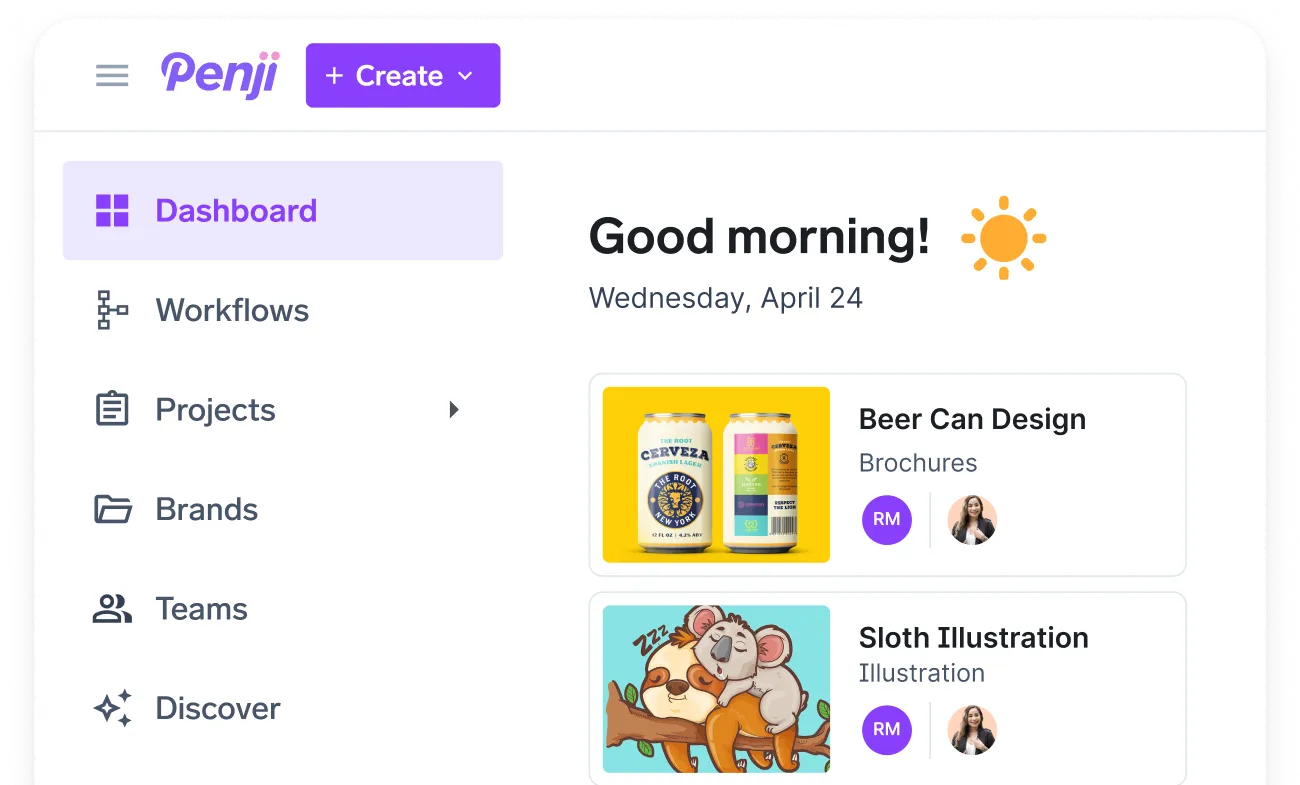
Asana, Trello, or Monday.com keep everyone on the same page about project status, deadlines, and feedback. These tools also create a paper trail so you can reference previous conversations and decisions. Many subscription services like Penji have their own project dashboards built in, which simplifies things even more.
Give Constructive Feedback
Vague feedback like “make it pop” or “I don’t like it” doesn’t help anyone. Be specific about what’s not working and why. Instead of “the colors are wrong,” try “our brand colors are navy and gold, but this design uses bright blue and yellow, which doesn’t match our brand guidelines.” The more specific your feedback, the faster you’ll get to a final design you love.
Build a Long-Term Relationship
Once you find a designer who gets your brand and delivers consistently, hold onto them. Remote designers who understand your business, your audience, and your preferences become invaluable over time. They’ll need less direction on each project and start anticipating what you’ll want before you ask for it.
Boost your business with unlimited graphic design
Try Penji risk-free for 30 days & get unlimited custom designs







What Are the Common Mistakes When Hiring Remote Designers?
Smart hiring means knowing what traps to avoid. Here are the mistakes that trip up most businesses when they hire remote graphic designer professionals.
Choosing Based on Price Alone
The cheapest designer usually costs you more in the long run through endless revisions, missed deadlines, and mediocre work you can’t actually use. Look at value, not just the hourly rate. A designer who charges $75/hour but nails the brief on the first try costs less than someone charging $25/hour who needs five rounds of revisions.
Skipping the Test Project
Never commit to a long-term contract or big project without seeing how someone works first. Pay for a small test project to evaluate their quality, communication, and ability to meet deadlines. This $100-$300 investment saves you from costly mistakes later. When you work with established services, you typically get a trial or money-back guarantee that removes this risk.
Not Checking References
Those glowing reviews on someone’s website? They might be cherry-picked or even fake. Ask for references and contact them directly. Ask specific questions about communication, deadline performance, and how they handled feedback. If a designer won’t provide references, that’s a red flag.
Unclear Contracts and Expectations
Get everything in writing: scope of work, deliverables, timeline, revision policy, payment terms, and who owns the final files. Vague agreements lead to disputes about what was actually included in the project. Many businesses avoid this headache entirely by using subscription services with clear terms and no contracts to negotiate.
How to Outsource Graphic Design on a Budget
If you’re watching your expenses carefully, you can still get quality design work without breaking the bank. The key is knowing where to look and what options give you the most bang for your buck.
Consider Different Designer Locations
Designers in countries with lower costs of living often charge less while delivering the same quality as designers in expensive cities. You might find talented designers in Eastern Europe, Southeast Asia, or Latin America charging $30-$50/hour for work that would cost $100/hour in New York or San Francisco. Just make sure you’re clear about expectations and communication from the start.
Bundle Your Projects
When you hire remote graphic designer services, you can often negotiate better rates by committing to multiple projects upfront. A designer might charge $800 for a single logo but offer a complete brand package (logo, business cards, letterhead, social media templates) for $2,000. You get more value, and they get guaranteed work.
Use Subscription Services Like Penji
This is where the math really works in your favor. At $499/month for Penji’s standard plan, you’d pay less than what most freelancers charge for 6-8 hours of work, but you get unlimited requests and revisions. If you need even one logo ($500-$1,000 from a freelancer), plus some social media graphics ($300-$500), plus a few marketing materials, you’ve already exceeded what a month’s subscription costs. Penji becomes one of the most affordable ways to outsource graphic design consistently without sacrificing quality.
Industry-Specific Tips for Hiring Remote Designers
Different industries have different design needs, and knowing what to look for can save you time and money.
Small Business Owners
You need versatility more than specialization. Look for designers who can create everything from logos to social media posts to printed materials. Services work better than individual freelancers because you won’t be stuck if your designer goes on vacation or gets sick. Check out options specifically for graphic design for small business needs.
Agencies and Marketing Teams
You need reliable turnaround and consistent quality across multiple clients. When you hire remote graphic designer contractors, look for people who’ve worked with agencies before and understand brand guidelines, tight deadlines, and frequent revisions. Having backup options through services ensures you never miss client deadlines because your designer is unavailable.
Startups and Tech Companies
You need designers who understand digital products and can work fast as you pivot and test ideas. Look for experience with web design, app interfaces, and modern design trends. Freelancers who specialize in tech startups understand the pace and the need for iteration.
E-commerce Businesses
Product photography editing, promotional graphics, and seasonal campaigns keep you constantly needing fresh designs. A subscription service makes more sense than project-by-project hiring because your design needs never stop. You’ll need someone who understands conversion-focused design, not just pretty pictures.
Conclusion
When you hire remote graphic designer talent, you’re not just saving money on overhead costs, you’re opening your business up to a global pool of creative professionals who can bring fresh perspectives to your brand. The key is knowing where to look, what to pay, and how to manage the relationship so you get consistent, high-quality work.
Whether you go with individual freelancers for occasional projects, work with remote agencies for bigger initiatives, or use subscription services like Penji for ongoing design needs, remote hiring gives you flexibility and cost savings that traditional employment can’t match. You just need to be smart about vetting candidates, setting clear expectations, and building strong communication habits from day one.
The businesses winning with remote designers are the ones who treat them as valuable team members, not just vendors, and who invest time in finding the right fit for their specific needs and working style.
Ready to Outsource Graphic Design Without the Hassle?
Stop juggling multiple freelancers and dealing with unpredictable costs. Penji gives you unlimited graphic design services for one flat monthly rate, with a team of professional designers ready to tackle whatever you need. From logos and branding to social media graphics and marketing materials, you’ll get unlimited revisions until you’re completely happy with every design.
See why thousands of businesses trust Penji for all their design needs. Try it risk-free today and get your first design back in 24-48 hours.
Frequently Asked Questions
How long does it take to hire a remote graphic designer?
It depends on your approach. Finding and vetting freelancers on marketplaces like Upwork can take 1-2 weeks once you account for posting the job, reviewing proposals, conducting interviews, and doing test projects. Design agencies usually have shorter onboarding, often getting you started within a few days. Subscription services like Penji can have you submitting your first project within hours of signing up, with designs delivered in 24-48 hours.
What’s the difference between hiring a freelancer and using a design service?
Freelancers work independently and you manage the relationship directly. You’re responsible for finding them, negotiating rates, managing projects, and dealing with any issues that come up. Design services provide teams of designers with project managers handling the workflow. You submit requests through their platform and they assign designers based on the project type. Services offer more reliability since they have backup designers if someone’s unavailable, but you’ll pay more than hiring individual freelancers directly.
Can remote graphic designers handle rush projects?
Many can, but it depends on their current workload and your definition of “rush.” Most freelancers need at least 48-72 hours for simple projects like social media graphics or flyers. Complex work like brand identity or website design takes weeks regardless of who you hire. If you regularly have last-minute needs, work with designers in different time zones or use services that have teams available to handle urgent requests. When you need reliable turnaround, services with teams beat individual freelancers.
What file formats should I expect from my designer?
For print projects, you should get high-resolution PDFs and usually the source files (AI, PSD, or INDD files). For web graphics, expect PNG or JPG files optimized for web use, plus source files for future editing. Logo projects should include vector files (AI, EPS, or SVG) that can scale to any size without losing quality. Always discuss file format needs upfront to avoid confusion later. Professional designers understand these requirements, but if someone seems confused about file types, that’s a warning sign about their experience level.
How do I protect my brand when working with remote designers?
Start with a solid contract that includes non-disclosure agreements and clearly states that you own all final designs. Most designers understand this is standard practice. Use watermarked drafts until you’ve paid for the final files. Work with designers who have established reputations and positive reviews from previous clients. If you’re particularly concerned, consider using design services that have company-level accountability rather than relying on individual freelancers.
Should I hire a specialist or a generalist designer?
It depends on your needs. Specialists excel at specific types of design like packaging, web design, or illustration, and they’re worth the premium if that’s your primary need. Generalists can handle various project types and cost less, making them better for businesses with diverse design needs. If you need everything from social media graphics to presentation decks to marketing materials, a generalist or a service offering multiple design types makes more sense than hiring different specialists for each project type.
About the author

Flore
Flore’s passionate about turning ideas into clear, useful content that connects with people and performs on search. From blog posts and landing pages to full content plans, her work is grounded in purpose and always aligned with a bigger picture.
Table of Contents
- Why Should You Hire Remote Graphic Designers?
- Where Can You Find Remote Graphic Designers?
- How Much Does It Cost to Hire Graphic Designer Remotely?
- What Should You Look for When You Hire a Remote Graphic Designer?
- How Do You Manage Remote Graphic Designers Effectively?
- What Are the Common Mistakes When Hiring Remote Designers?
- How to Outsource Graphic Design on a Budget
- Industry-Specific Tips for Hiring Remote Designers
- Conclusion
- Frequently Asked Questions