









TL;DR: Finding the right graphic designer depends on your budget, design volume, and how fast you need things done. This post breaks down every hiring option and explains why on-demand design is usually the smartest move for growing businesses.
To find a graphic designer, businesses can choose from freelance platforms like Upwork, job boards for in-house hires, crowdsourcing sites, or flat-rate subscription services like Penji.
The right option depends on how often you need design work, your monthly budget, and whether you need a single project completed or ongoing creative support.
Most business owners don’t realize how many options exist until they’re already stuck with the wrong one. You post something on Upwork, wait days for proposals, pick someone who seems promising, and end up in three rounds of revisions going nowhere.
It doesn’t have to work that way. This guide covers every real path to finding a graphic designer, what each one actually costs, and where Penji fits in when you need design that keeps up with your business.
How Do You Know It’s Time to Find a Graphic Designer?
YoYour visuals are already saying something. The question is whether it’s worth hearing.
Most business owners can sense the problem before they can name it. The logo looks dated. Social posts feel generic. The pitch deck doesn’t match the website. None of it tells a consistent story. That’s usually the moment when DIY design, or that one freelancer from three years ago, stops being enough.A few specific signals make it obvious. You need graphics regularly, not just occasionally. Your brand looks different across platforms. Customer-facing materials don’t reflect the quality of what you actually sell. Or you’re spending too much time in Canva when that time could go somewhere more useful. If any of that sounds familiar, it’s time to hire a graphic designer.
Solve Your Design Dilemma for Good
Try unlimited graphic design & see how easy your design process can be







What Type of Graphic Designer Do You Actually Need?

Not every designer does everything, and that matters more than most people expect.
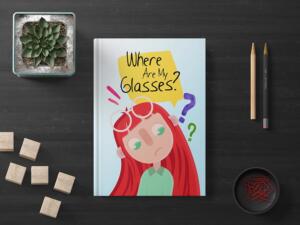
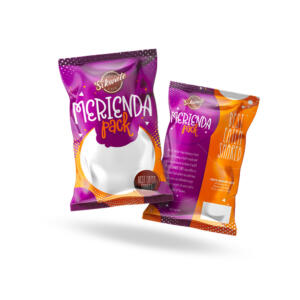
The field is wide. A logo designer focuses on brand marks. A brand identity designer thinks about the full visual system: colors, typography, and usage rules. A web designer works on layouts and digital interfaces but can’t build what they design. Motion designers handle animation and video. Illustrators work in character design, editorial visuals, and custom artwork. Packaging designers know print specs and retail environments.Knowing what you actually need before searching saves you from hiring the wrong specialist entirely. Clarify the type of work first, then find someone who matches it. If you’re not sure yet, a service that covers all categories, like Penji’s graphic design services, is a low-risk way to test different project types before committing to a specific hire.
What’s the Difference Between Freelancers and In-House Designers?
Both are real options. Neither is universally better.
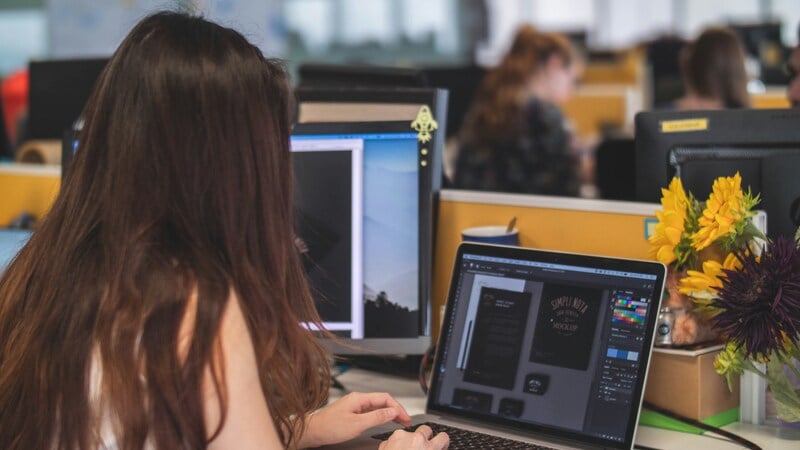
Freelancers work on a project-by-project basis. They’re useful for one-time needs or occasional projects where you don’t have enough volume to justify a full-time hire. The cost per project is typically lower than a salary, and you can find specialists for specific jobs. The tradeoff is time. Finding the right person, briefing them, managing revisions, and handling payment takes real effort every single time. For businesses with ongoing design needs, that overhead compounds fast.
In-house designers bring consistency. They learn your brand deeply and become a real extension of your marketing team. According to the U.S. Bureau of Labor Statistics, the median annual wage for a graphic designer is $58,910. Add benefits, equipment, and onboarding time, and the real cost runs closer to $70,000 to $80,000 per year for a single hire. That makes sense for large teams with steady high-volume creative work. For a growing business still building its identity, it’s a serious commitment with a long ramp-up before you see results.
Where Can You Find a Graphic Designer?
The options fall into a few clear categories, each built for a different situation.
Freelance marketplaces like Upwork, Fiverr, and Toptal let you browse profiles, review portfolios, and post project briefs. They work well for one-off projects or clearly scoped needs. Quality varies widely, so the vetting process falls on you. Budget extra time for that.
Job boards like LinkedIn, Indeed, and Behance are the right path if you’re hiring full-time or part-time and want someone integrated into your team. Expect a longer timeline and a competitive market, especially for mid-to-senior-level talent.
Crowdsourcing platforms like 99designs let you run a design contest and receive submissions from multiple designers at once. You pay only for the one you choose. It works for logos or one-time brand projects where you want options to compare. It’s not practical for anything ongoing.
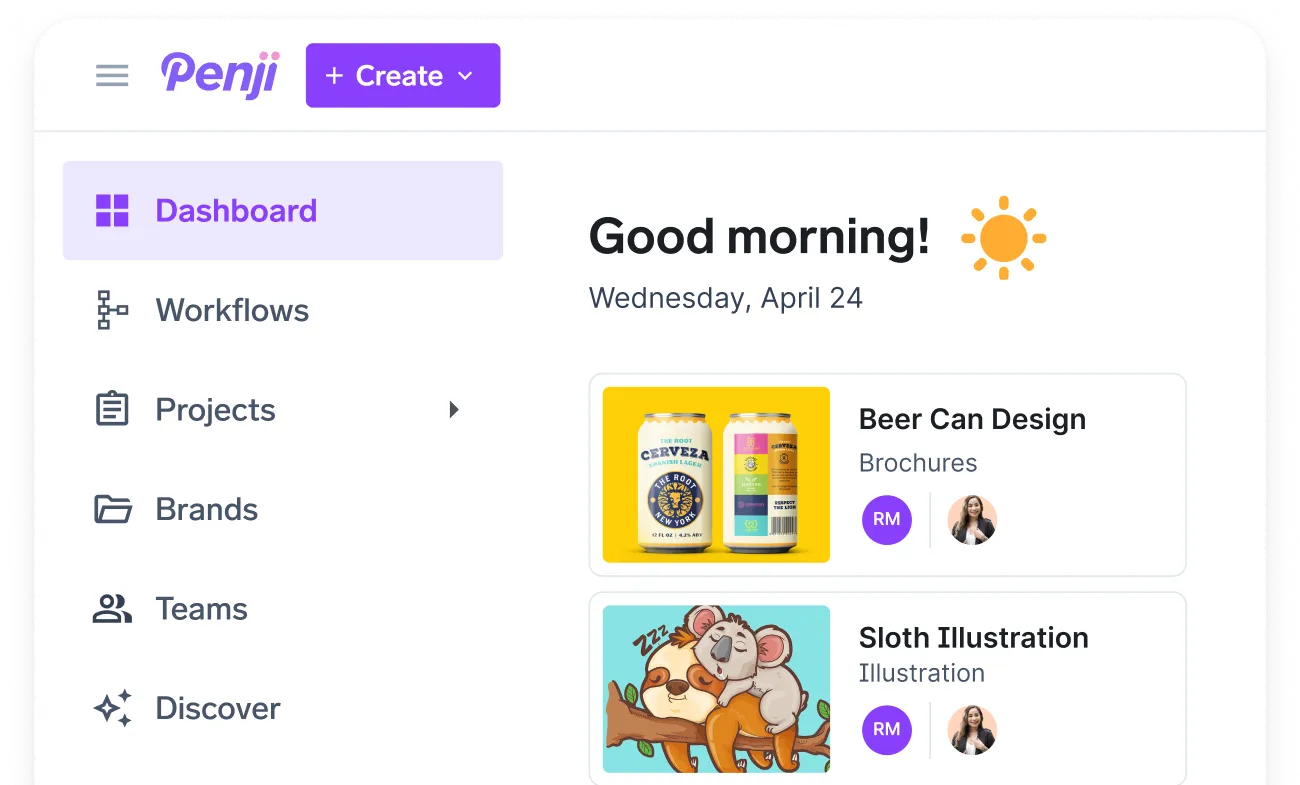
On-demand graphic design services like Penji are built for businesses that need a consistent stream of creative work without the overhead of hiring. You pay a flat monthly rate, submit unlimited requests, and get production-ready files back from a dedicated designer. It’s the model that actually scales. Learn more about how on-demand graphic design works and what to expect.
Why Do More Businesses Choose On-Demand Graphic Design?
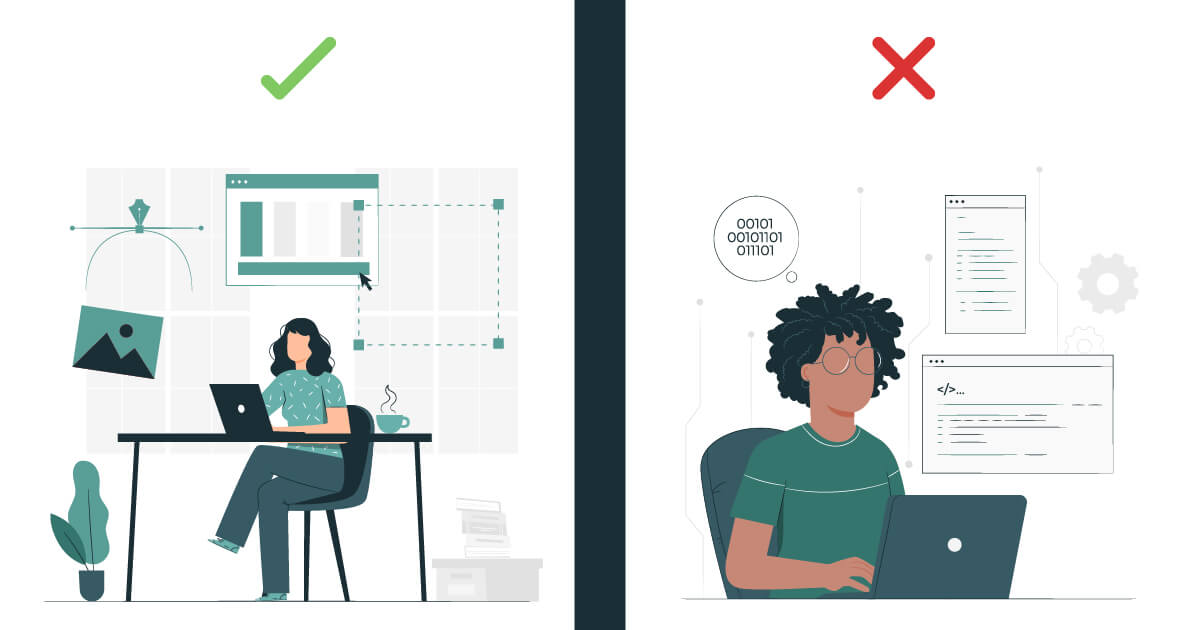
The math is hard to argue with once you run it.
Most businesses don’t need a full-time designer for 40 hours a week. They need a steady flow of social content, ads, presentations, brand assets, and campaign visuals throughout the month. An in-house hire gives you capacity you’ll spend months ramping up. A freelancer delivers one project and leaves you searching again next time. On-demand design solves both problems at once.
Penji’s plans start at $500 per month. That covers unlimited design requests, unlimited revisions, and turnaround as fast as 24 to 48 hours. Compare that to a $70,000 annual salary and the cost difference is stark. You also get the flexibility to pause or adjust your plan as your needs change, which isn’t possible with a full-time hire.Beyond cost, there’s brand consistency. Every designer on Penji’s team works within your brand guidelines from the first request forward. You’re not re-briefing a new freelancer every few weeks and hoping they pick up the visual language. That consistency builds audience trust faster than most businesses expect. Browse Penji’s pricing plans to find the tier that fits your volume.
Conclusion
A little preparation makes every hiring decision better, regardless of the model you choose.
Before bringing anyone on, get clear on a few things. What types of projects will come up most often? How many design requests do you typically need per month?
Do you have a brand guide in place, or is building one part of what you need? Will your designer work independently, or will you be involved in the day-to-day process?
These questions help you evaluate candidates more accurately and brief your designer more effectively once the decision is made.
The best creative relationships start with clarity on both sides. If you want a deeper look at the vetting process, this guide on hiring a graphic designer online covers the full process.
Finding the right creative partner is one of those decisions that compounds over time. Get it right and your brand looks sharper, moves faster, and builds trust with every touchpoint. Get it wrong and you’re back on the freelance platforms in six months, starting from scratch.
The good news is that the options have never been more varied, and the path to a reliable design partner is shorter than most business owners think.
For businesses that need quality, volume, and predictable costs, Penji is the place to start.See what Penji’s team can do for your brand. Browse plans and get started today.
Frequently Asked Questions
It depends on the model. Freelancers on platforms like Upwork typically charge $25 to $150 per hour depending on experience and specialty. In-house designers earn a median salary around $58,910 annually, with total employment costs usually running higher when you factor in benefits and equipment. On-demand services like Penji offer flat monthly rates starting at $500 per month for unlimited design work, which tends to be the most cost-effective model for businesses with regular, ongoing creative needs.
A graphic designer creates visual assets across print and digital formats, including logos, social graphics, ads, brochures, and brand materials. A web designer focuses specifically on website layouts, user interfaces, and digital experience design. The roles can overlap depending on the designer’s background, but most specialize in one area. If you need both an ongoing brand presence and a website refresh, a service like Penji covers multiple design categories without requiring separate hires.
Start with the portfolio. Look specifically for work in your industry or for the types of projects you actually need, not just impressive general samples. Ask for a paid test project before any long-term agreement. If you’d rather not spend time vetting candidates yourself, on-demand services like Penji let you try the platform before making a longer commitment, so you can see the quality and process firsthand.
It depends on how broad those needs are. A skilled generalist can handle social graphics, ads, presentations, and standard brand assets well. Specialized work like custom illustration or complex motion design may require someone with a more focused background. Penji’s model gives you access to a team of designers, not just one, so different request types get matched to the designer best suited for that type of work.
About the author

Victoria Buckley
Victoria is a Content Writer for Penji covering marketing, social media, and culture.
Table of Contents
- How Do You Know It’s Time to Find a Graphic Designer?
- What Type of Graphic Designer Do You Actually Need?
- What’s the Difference Between Freelancers and In-House Designers?
- Where Can You Find a Graphic Designer?
- Why Do More Businesses Choose On-Demand Graphic Design?
- Conclusion
- Frequently Asked Questions