








TL;DR: Web design shapes how a website looks and feels. Web development makes it work. Both roles are essential to building a site that attracts and keeps visitors. This post breaks down what separates them and how to decide what you need.
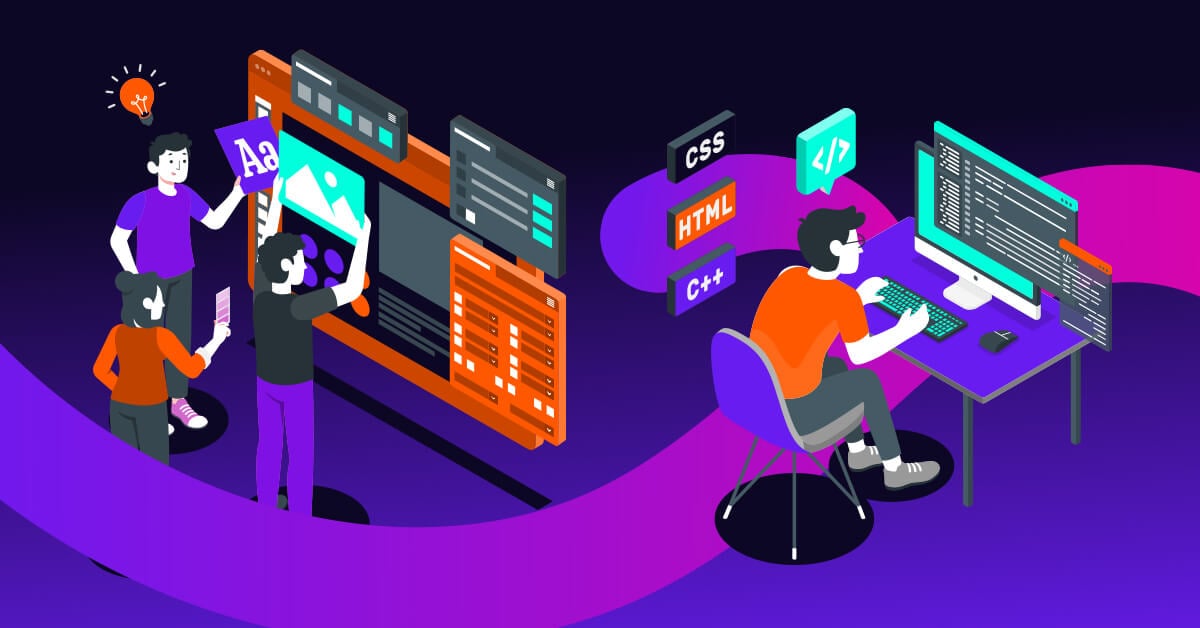
Web design covers the visual side of a website: layout, color, typography, and user experience. Web development covers the technical side: the code that makes a site load, function, and respond. Most websites need both. Designers create the look; developers build the structure that brings it to life.
A lot of business owners use the two terms interchangeably and end up hiring the wrong person for the job. You bring in a designer expecting a working website and get beautiful mockups with no code behind them. Or you hire a developer and wonder why everything looks like it was built a decade ago. Understanding the difference between web design vs web development is the first step to building a site that actually does both jobs well.
What Is Web Design?

Web design is about how a website looks and how people experience using it.
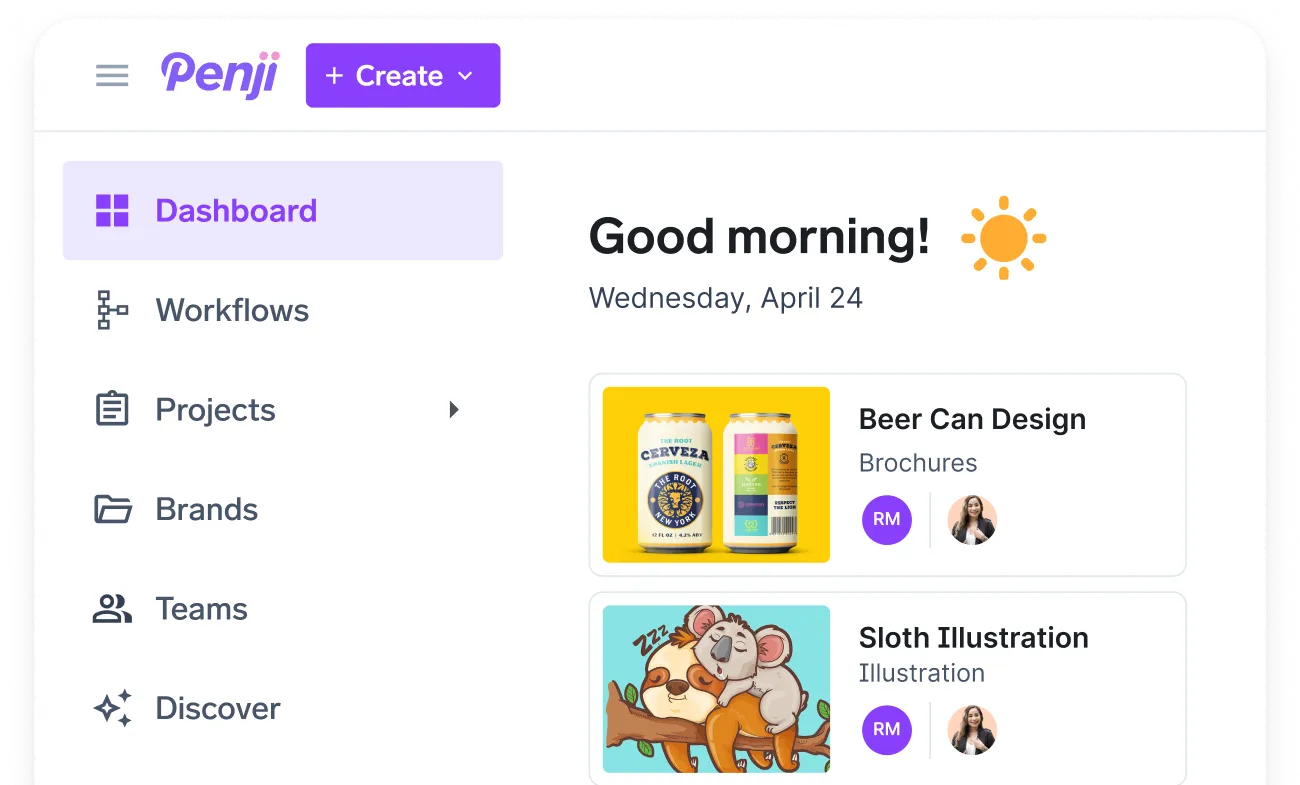
A web designer’s job is to make sure every visual element on a page serves a purpose. Layout, color palette, typography, spacing. Good web design isn’t decoration. It guides visitors through a page, builds trust with the brand, and makes it easy to find what they’re looking for without thinking too hard about it.Web designers typically work in tools like Figma, Adobe XD, or Photoshop to create wireframes, mockups, and high-fidelity prototypes. Their deliverables are visual: page layouts, component designs, style guides, and UX flows. They’re focused on what visitors see and feel, not the code that makes any of it appear. If you want a site that looks polished and on-brand from the start, Penji’s web design services cover exactly that.
What Is Web Development?
Web development is about how a website works.
A web developer takes the designs a designer creates and turns them into a functioning site using code. There are two main tracks. Front-end developers write the code (HTML, CSS, and JavaScript) that controls how a site looks in a browser, translating visual designs into live pages. Back-end developers work on the server side: databases, APIs, user authentication, and the logic that powers everything running behind the scenes.
Some developers work across both areas, commonly called full-stack development. But most specialists have a clear lane. Development is what makes a site load quickly, handle form submissions, process payments, and respond correctly across different screen sizes and devices.
What Are the Key Differences Between Web Design and Web Development?
The short version: designers create the vision, developers make it real.
A web designer doesn’t write code. Their work lives at the intersection of visual design and psychology, thinking about what a visitor needs to see and when. A developer doesn’t create visual assets. Their work lives at the intersection of logic and engineering, thinking about how systems communicate and perform.
The roles also differ in cost. According to the U.S. Bureau of Labor Statistics, the median annual wage for web developers is $92,750. Web designers, depending on specialization, typically earn between $58,910 and $77,030. Development commands a higher rate because of the technical complexity involved. That difference matters when you’re budgeting a website project and figuring out who to bring in first.
The tools don’t overlap much either. Designers live in Figma and Photoshop. Developers live in code editors, version control systems, and the command line. The outputs look nothing alike, and the skill sets that produce them are more distinct than most business owners assume.
Where Do Web Design and Web Development Overlap?
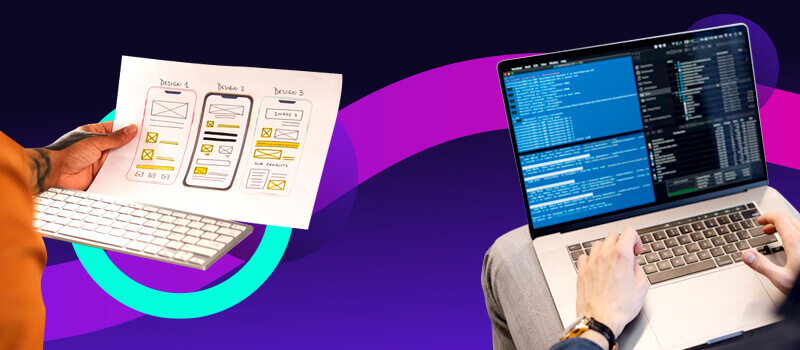
They’re separate disciplines, but they only work when they’re in sync.
The most obvious overlap is user experience. A developer can write perfectly functional code that produces a confusing, difficult-to-navigate interface. A designer can create a gorgeous mockup that’s technically impossible to build as drawn. When both disciplines are aligned from the start, a site is far more likely to be well-built and worth visiting. Some of the best examples of effective webpage design are the ones where you can’t tell where design ended and development began.
Both roles also share responsibility for performance. Page load speed is partly a development concern (efficient code, optimized servers) and partly a design concern (image sizes, font loading, layout complexity). Mobile responsiveness is the same story. Getting it right requires both sides communicating clearly and early.
Do You Need a Web Designer, a Web Developer, or Both?

It depends on what stage your site is at and what problem you’re actually trying to solve.
If your website looks dated, feels off-brand, or makes it hard for visitors to take action, the problem is almost always design. If your site looks fine but loads slowly, breaks on mobile, or can’t handle basic functions like contact forms or logins, the problem is development.
Most growing businesses eventually need both, especially when building an ecommerce web design experience from scratch or going through a full brand overhaul.
For businesses that need reliable design work at volume, there’s a faster path. Penji’s subscription model gives you access to a dedicated team that handles web design, UI mockups, and brand visuals. You submit requests, get designs back within 24 to 48 hours, and revise until it’s exactly right.
No hiring process. No managing a freelancer. Just design that moves at the pace your business needs. Take a look at Penji’s graphic design services to see everything that’s covered.
Conclusion
The best websites are built by a clear handoff between a designer who builds trust visually and a developer who brings that vision to life technically. Know which problem you’re solving first, find the right skill set for it, and the rest gets easier. If design is where you need the most support, start here to see what Penji can do for your brand.
See what a dedicated design team can do for your site. Browse Penji’s plans and get started today.
Frequently Asked Questions
Is web design harder than web development?
Neither is harder in any universal sense. They require completely different skill sets. Web development, especially on the back-end, involves complex technical problem-solving with code. Web design demands strong visual judgment, UX thinking, and an understanding of how people move through an interface. Most people find the discipline they’re naturally drawn to is the one that feels more manageable over time.
Can one person do both web design and web development?
Some professionals work across both areas, often called full-stack designers or full-stack developers. But it’s relatively uncommon to find someone who genuinely excels at both. Most specialists develop deep expertise in one discipline. For a polished final product, separating the roles and hiring for each tends to produce better work than relying on a generalist for everything.
Does Penji handle web design or web development?
Penji specializes in web design: page layouts, UI mockups, brand visuals, and digital design assets. Penji’s team does not write code or build live websites. If you need designs developed into a working site, you’ll need a developer for that phase. Penji takes care of the entire visual side so that when you hand off to a developer, the design brief is already production-ready and clearly documented.
What should a business prioritize first: design or development?
Start with design. Before a developer writes a single line of code, the visual direction, user flow, and brand identity should already be established. Building a site without a clear design brief leads to costly revisions later in the process. Getting the design right first gives your developer a concrete spec to work from and dramatically reduces back-and-forth during the build.
About the author

Rowena Zaballa
With a background as a former government employee specializing in urban planning, Rowena transitioned into the world of blogging and SEO content writing. As a passionate storyteller, she uses her expertise to craft engaging and informative content for various audiences.