









TL;DR – Minimalism can still be a strong look for any brand. However, in today’s crowded digital world, cleancore may not be enough to stand out on its own. To compete with other players, many businesses request expressive visuals from their brand design services provider to combine clarity with personality.
Cluttercore. Dopamine design. Chaos aesthetic.
Over the past few years, it seems like brands are moving from the quiet lines and neutral colors to bolder shapes and louder palettes.
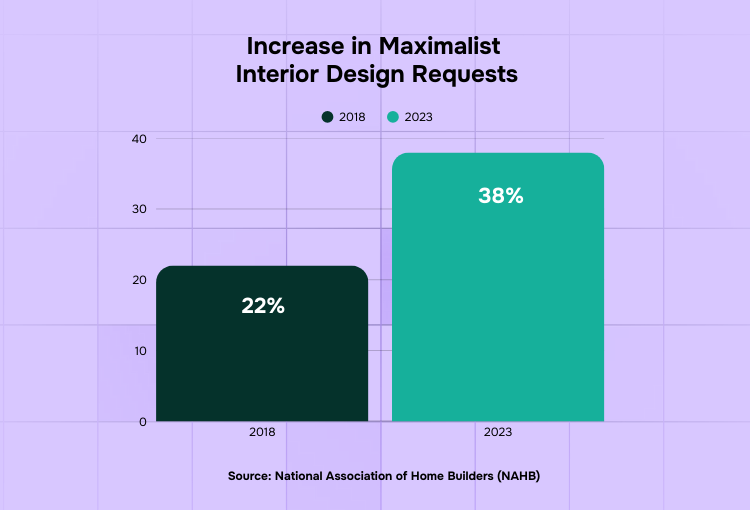
And the shift to personality-forward aesthetics isn’t restricted to brand design. In fact, data tells us that interior designers have seen a 38% increase in requests for maximalist design in 2023, compared to a 22% in 2018.
Does this mean that minimalism is dead? Not exactly. But in this article, we’ll unpack why brands are gravitating towards a more expressive brand identity design. We’ll also look at what types of brands benefit from minimalist and maximalist aesthetics and examine if it’s possible to apply a combination of both.
What Does “Minimalism” Mean In Brand Design Today?
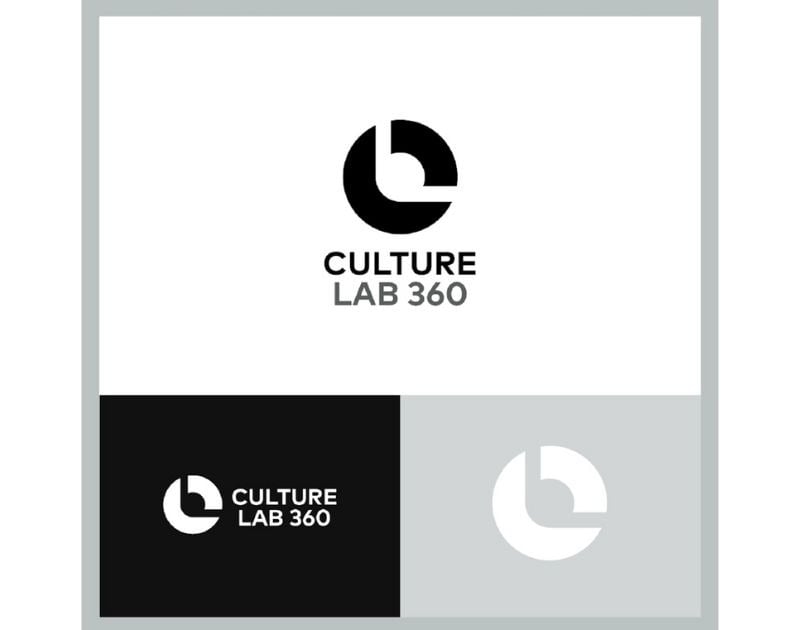
In terms of brand design services, minimalism pertains to clean and quiet aesthetics, typically aimed at looking “premium.” It usually takes the form of:
- Monochrome logos
- Ultra-thin fonts
- Simple typography
- Plenty of empty space
Over the years, however, clean aesthetics has evolved to become more intentional. Today, it’s not just about keeping elements of a brand identity to a minimum for aesthetic reasons, but about focusing on clarity.
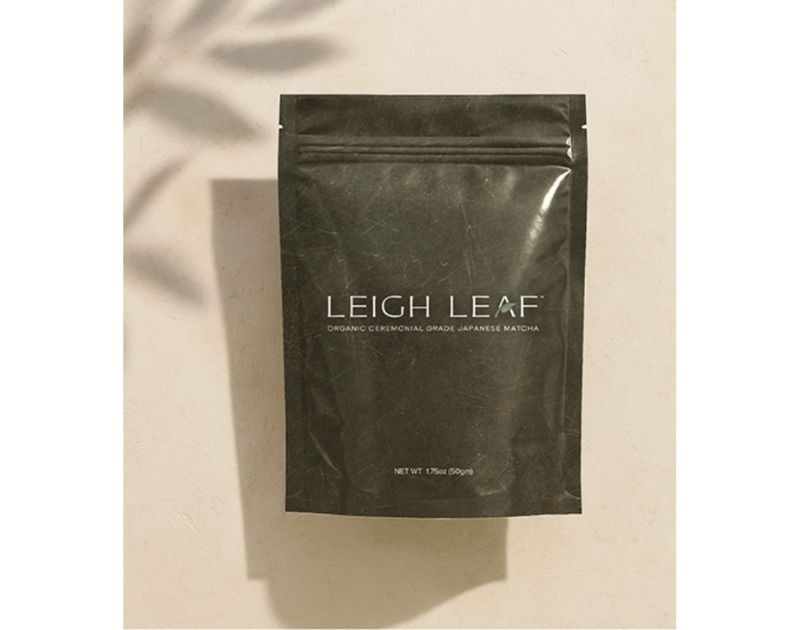
Whether you’re hiring a brand designer or subscribing to branding services, the key to quiet design is to build it with strategy so it doesn’t feel empty and forgettable.
Professional graphic design by the world's top 2% designers
Unlimited graphic design at a flat monthly rate
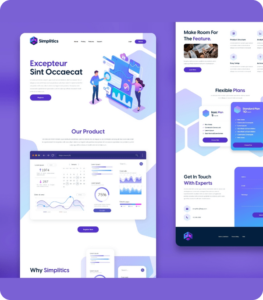
Why Are Brand Visuals Getting Louder Again?
Without a doubt, there are benefits to a minimal look: clarity, focus, and an easy path for anyone to get the brand’s message.
However, with so many brands requesting minimal design from their brand design services, social media feeds have become saturated with the same simplistic look. That said, instead of standing out, many brands end up drowning in a sea of other brands with a clean-core look.
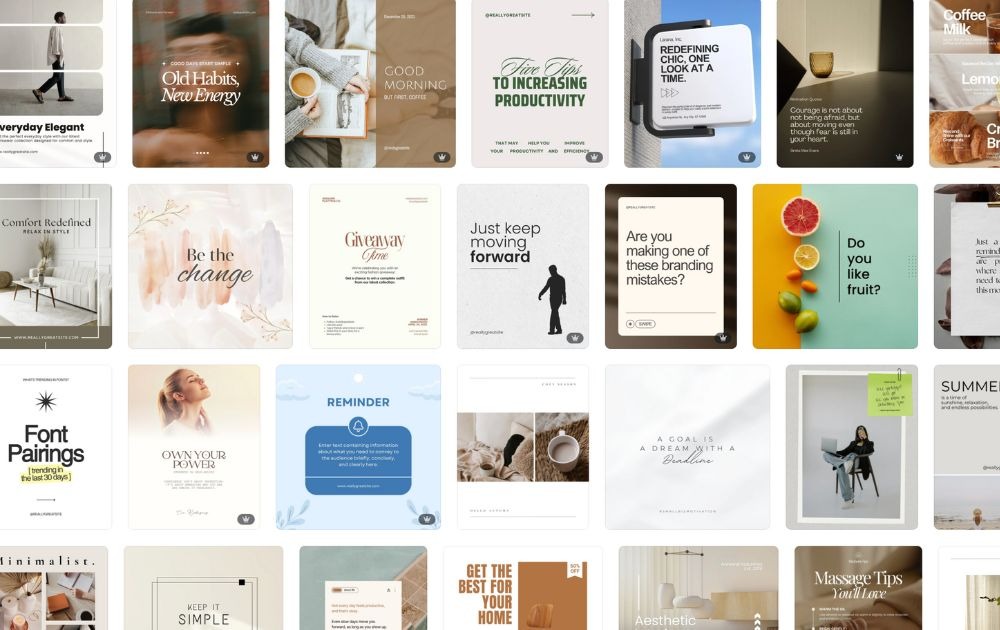
Here are a few reasons why more brands are requesting louder designs from their custom graphic design service providers:
- It’s harder to get attention. Studies show that attention spans have dropped to just 8 seconds today from 12 seconds in 2000. That said, it’s no wonder brands are trying extra hard to get their audience’s attention, especially in crowded venues like the digital space.
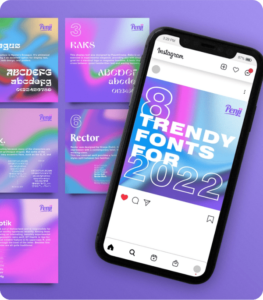
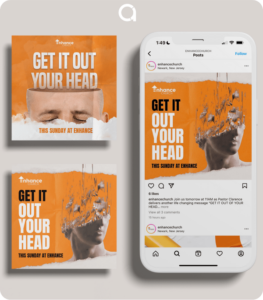
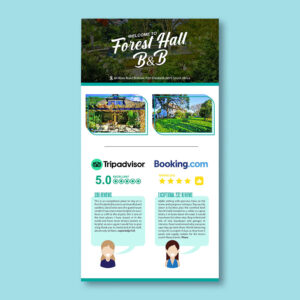
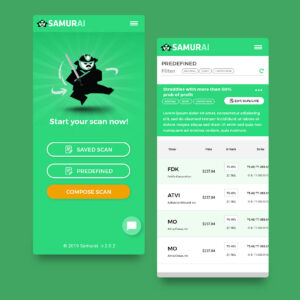
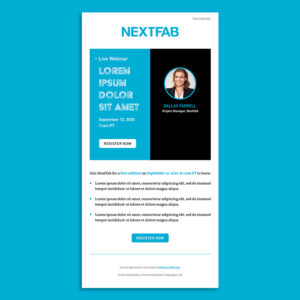
- Minimalist templates have become overused. If you check your feed right now, how many posts look akin to the minimalist Canva templates like the ones in the screenshot above? Probably a lot. An overused look makes it harder to stand out.
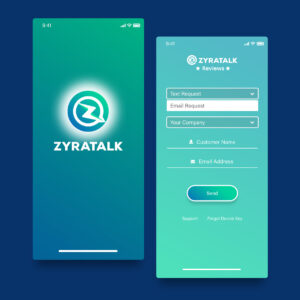
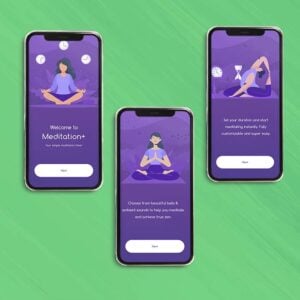
- Bolder designs look good on digital formats. With the latest devices taking pride in providing crisp and bright visuals, it’s no surprise that branding tools featuring strong colors, bold contrasts, and motion graphics perform well on social media and web applications.
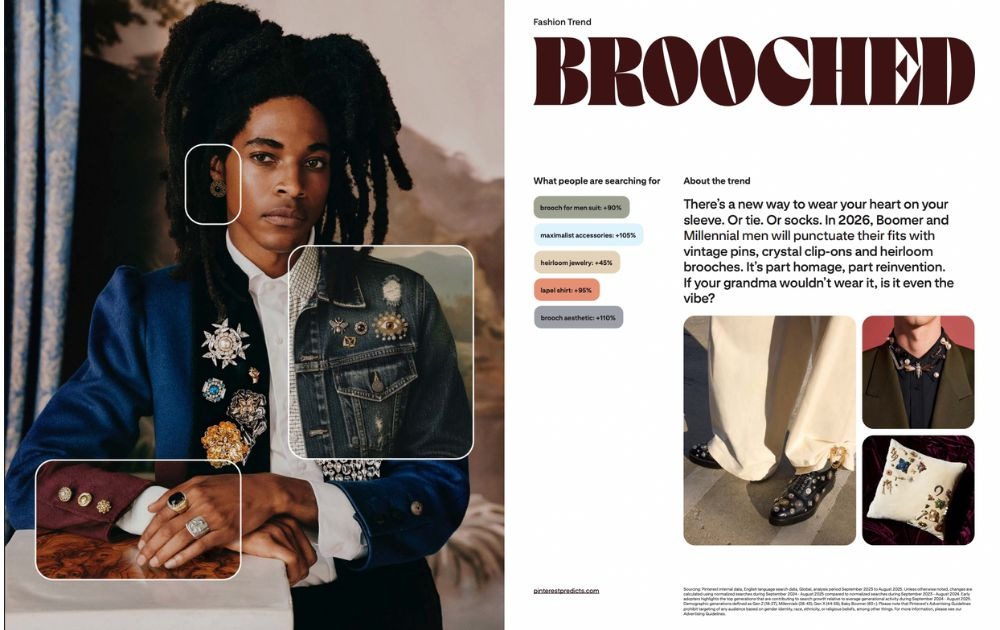
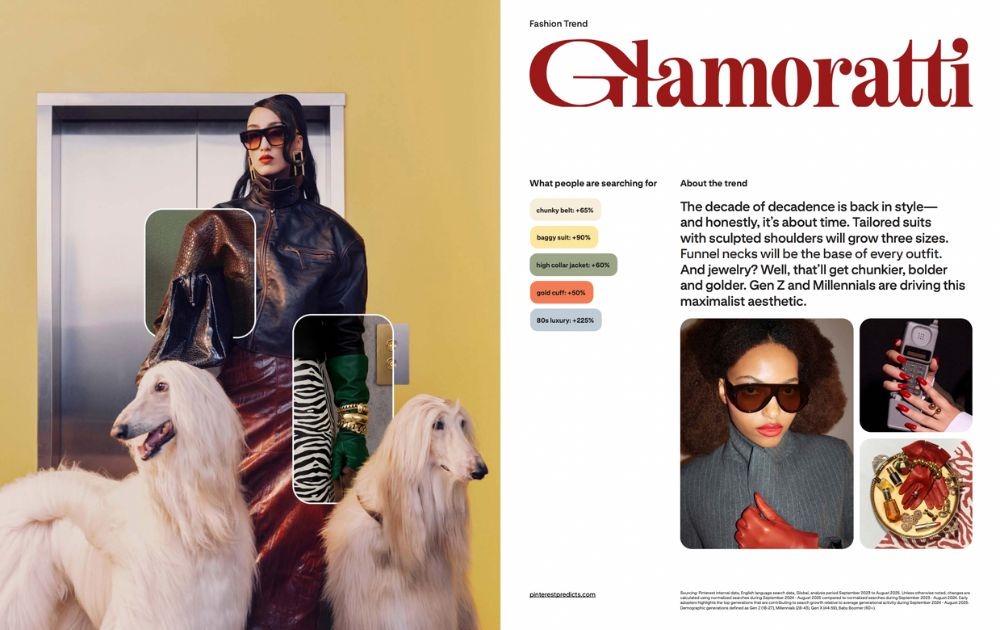
The move toward louder designs isn’t just a passing trend, but a slow shift throughout the years. In fact, the Pinterest Predicts 2026 Report features expressive and avant-garde designs. These two trends specifically mention maximalism:
Which Types Of Brands Benefit Most From Louder Visual Identities?
Any full-service branding expert would tell you that not every brand needs a full-spectrum color palette to make a good impression.
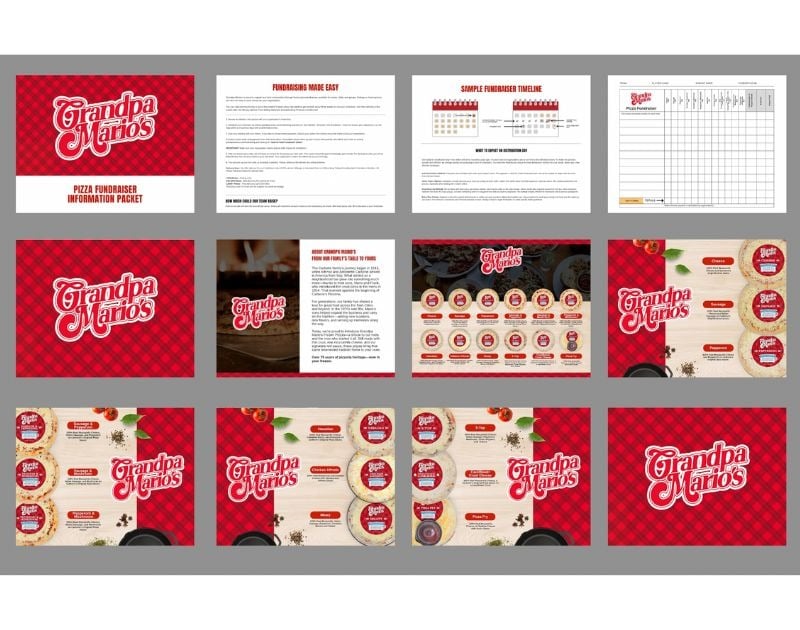
However, certain industries and projects could benefit from impact-driven design. These include:
- Ecommerce and Business-to-Consumer Brands. With the digital ad revenue in the U.S. reaching $259 billion in 2024, brands need to stand out in the digital space to cut through the noise. Story-driven visuals allow them to do just.
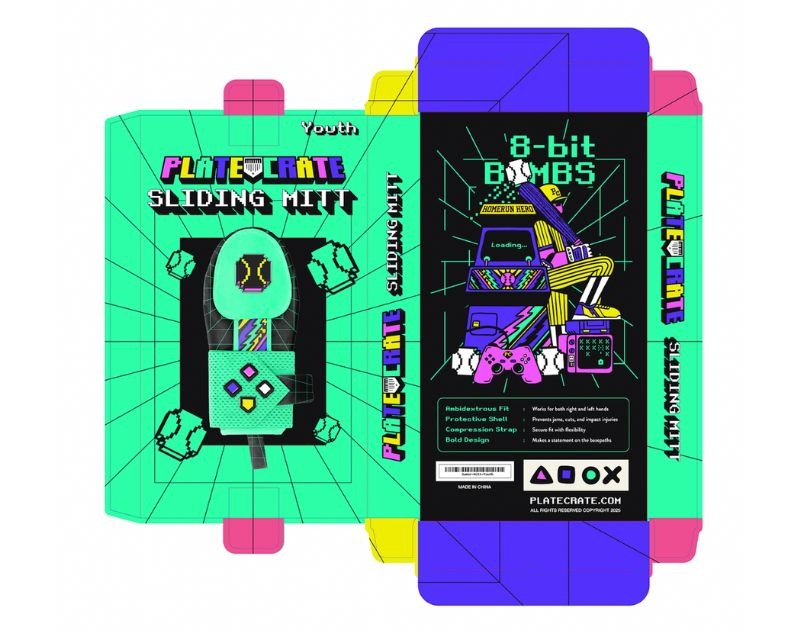
- Consumer-Facing Startups. Most startups aim to grow at a fast pace, and bold designs empower them to strengthen brand recall in less time. This factor is especially true for young brands that don’t have name recognition yet.
- Creative Agencies and Service Providers. When you’re in the creative industry, you need to flex your originality and intuition. That said, sensory-forward designs can be your best business card.
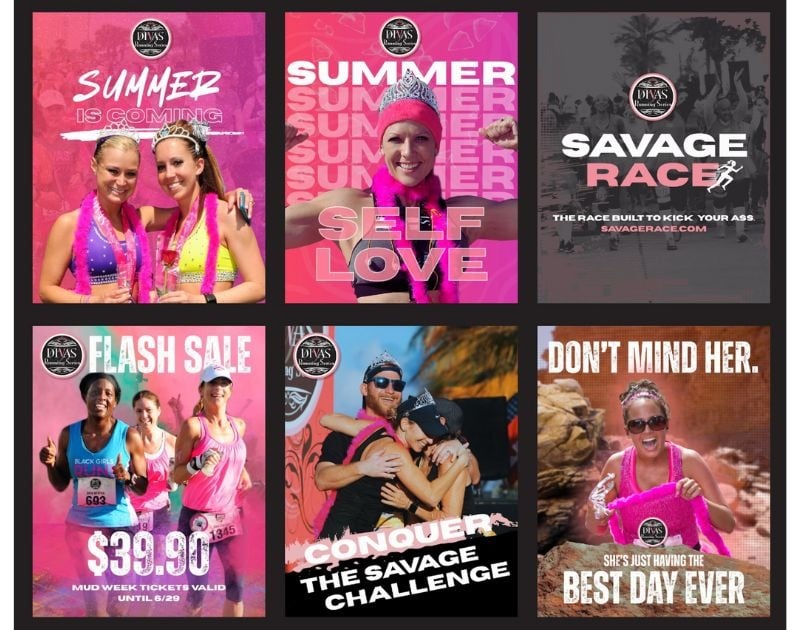
- Lifestyle and Personality Brands. Brands that sell a point of view, a way of life, or a personal identity benefit from branding that feels human and relatable. Custom graphic design services can help these brands produce expressive visuals that paint the value they add to their audience’s lives.
When Does Minimalism Still Make Sense For A Brand?
Despite the slow shift to bolder designs, there are instances where minimalism still makes sense. Here are some:
- Clarity is Non-Negotiable. There are industries where brands can’t afford to be vague, even in the pursuit of creativity. Such is the case for medical brands or finance companies, where every detail needs to be straightforward.
- Well-Established Luxury Brands that Rely on Restraint. Some premium brands rely on minimalism to signal confidence. Their subtle message? We don’t need to try so hard to be noticed because our product quality speaks for itself.
- Product-Led Businesses. Some businesses are led by the product itself and don’t need much branding. For example, hardware and tech products use a quiet interface to support control, setup, and function.
The Bottom Line
In the end, quiet and loud designs don’t need to be binary. It’s not about choosing one over the other because it feels more trendy.
Minimal and maximal designs both offer benefits, and it’s really down to how well they’re used for what purpose. For instance, data reveals that minimalist websites for service-oriented brands recorded an 11% increase in conversion.
On the other hand side of the coin, maximalist websites earned a 35% increase in session durations and 22% higher engagement, specifically for pages that are rich in content.
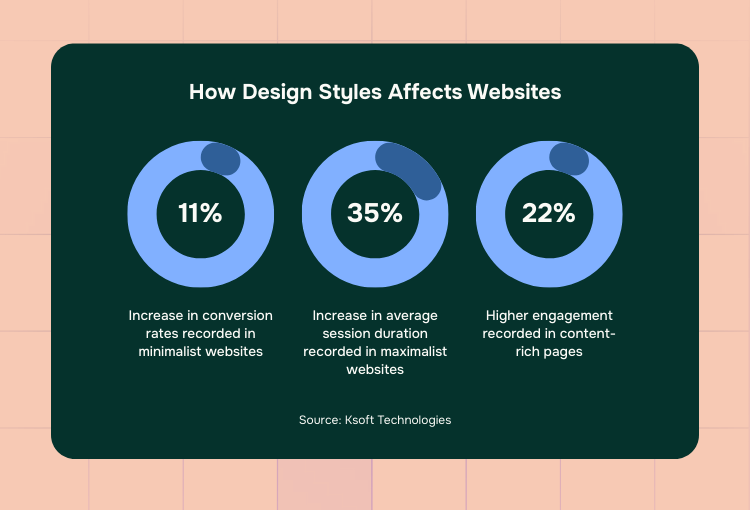
Guided by these numbers, it’s reasonable for branding services to use a minimalist approach for conversion-focused materials. These could include landing pages, checkout pages, and more.
On the other hand, louder designs may work better for visual assets focused on storytelling, such as social media posts, digital ads, lookbooks, and catalogs.
Whether you’re going for a quiet look or a bolder brand aesthetic, on-demand design services like Penji can help.
Hailed as one of the top design-as-a-service providers today, brands of all sizes turn to Penji to get access to the world’s top 2% designers. Visit Penji’s portfolio to see why Penji is the best option for branding services – minimalist, maximalist, and everything else in between.
Frequently Asked Questions (FAQs)
Is minimalist branding outdated in 2026?
No. Minimalist branding and design still work to reflect clarity and stability. However, what’s outdated is solely relying on a minimalist aesthetic without flexibility for emotional pull.
Are brand design services worth it for small businesses?
Yes. Whether you’re considering hiring the best branding agency or going for graphic design monthly plans, professional graphic design can help small businesses avoid costly mistakes and pin down a brand design that best connects the brand with its audience.
How do I know if my brand visuals are too quiet or too loud?
Brand visuals that are too quiet blend into the background and lack opportunity for recognition. On the other side of the coin, brand visuals that are too loud feel inconsistent and confusing. The right branding package offers a perfect balance of clarity and personality.
About the author

Carla Deña
Carla is a journalist and content writer who produces stories for both digital and legacy media. She is passionate about creativity, innovation, and helping small businesses explore solutions that drive growth and social impact.