









TL;DR – Having brand guidelines is a must for businesses that want consistency in all communication channels. Solid guidelines must include all the necessary elements and should be implemented in every visual asset to fully serve its purpose.
Establishing a solid brand is a non-negotiable in today’s digital-first world. However, not all brands put the same emphasis on building and, just as importantly, implementing brand guidelines.
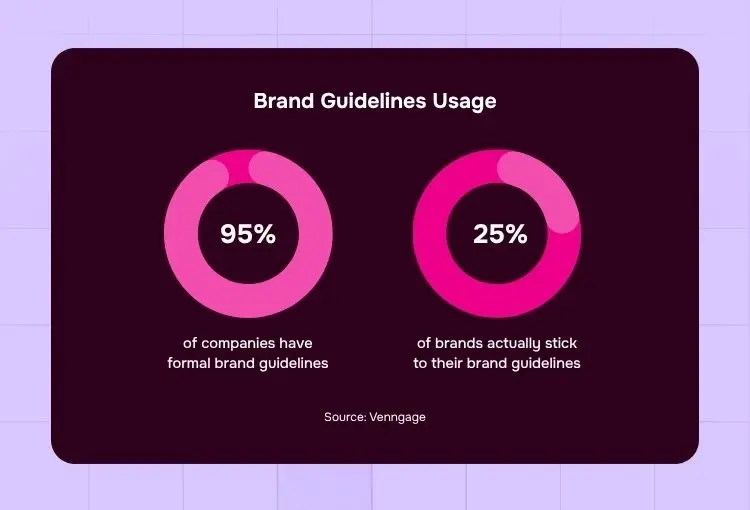
In fact, data shows that although 95% of companies have formal brand guidelines, only 25% said they actually stick to them.
Not implementing brand guidelines could be borne out of two scenarios:
- The brand guidelines aren’t easy or simple enough to follow
- Marketing teams fail to implement brand guidelines during campaigns
In this article, let’s peel back the layers of brand guidelines, including the basic elements they must include.
We’ll also look at how graphic design services, specifically brand design services, can help businesses build and implement their brand guidelines.
Let’s start with a common question:
What Are Brand Guidelines, And Why Do They Matter Today?
Brand guidelines are a set of rules that identify how your brand is presented to the world in two ways:
- Visually (logo/s, colors, typography, imagery, etc.)
- Verbally (brand tone, voice, etc.)
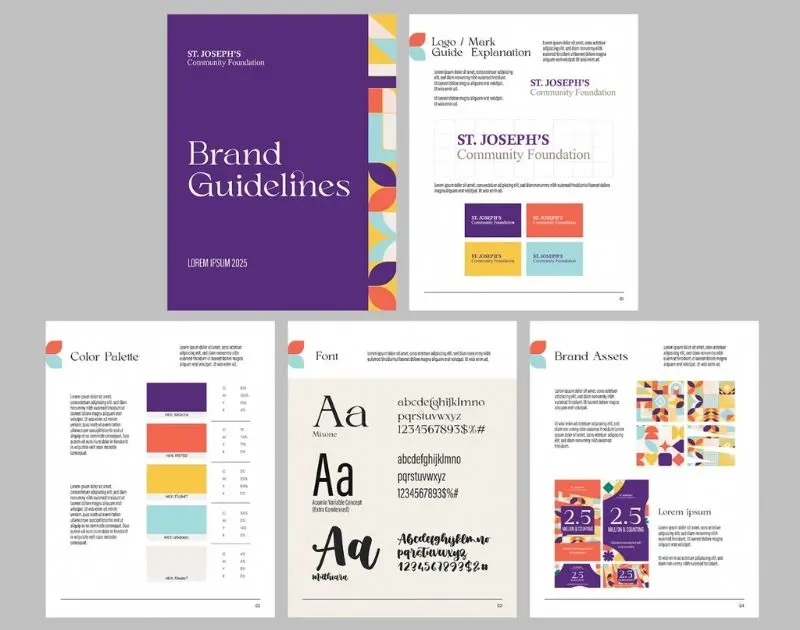
Branding guidelines matter today because it serves as a basis for your creative team to keep your visual assets coherent. Whether you’re using in-house branding services, custom graphic design service platforms, or freelance services, solid brand guidelines ensure consistency, which comes with perks, including revenue growth.
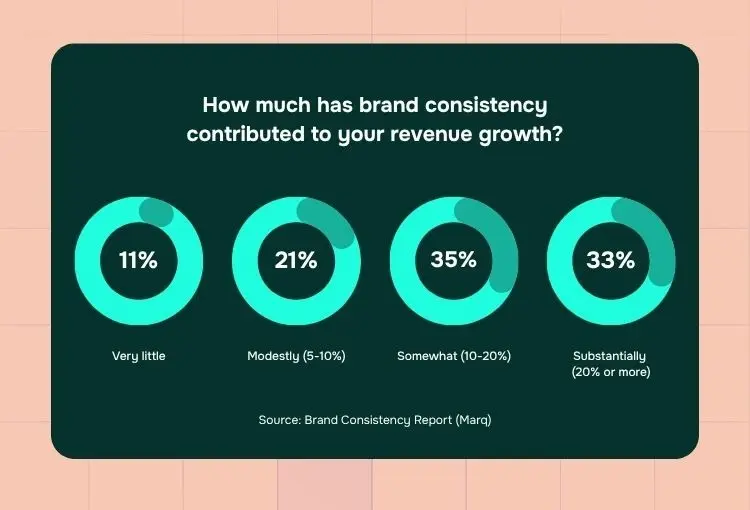
In fact, a survey reveals that 33% of companies said brand consistency contributed a minimum of 20% to growth in their revenue.
At Penji, for instance, many of our clients request us to build them brand guidelines that genuinely reflect their brand’s true essence. They understand that establishing a reliable brand that makes a good impression and fosters customer loyalty requires building a brand identity system, not just a logo.
Professional design services by the world's top 2% designers
Unlimited graphic design at a flat monthly rate

What’s The Difference Between Brand Guidelines, Brand Style Guides, And Brand Books?
Aside from brand guidelines, you’ve also probably heard of terms like brand style guides and brand books when talking about branding service options. What’s the difference?
Though some custom graphic design services and brand designers tend to use them interchangeably, there are a few differences between the three:
- Brand Guidelines = How to apply your brand. This document is the main reference for how your brand should look, sound, and feel (visual and verbal, as mentioned earlier).
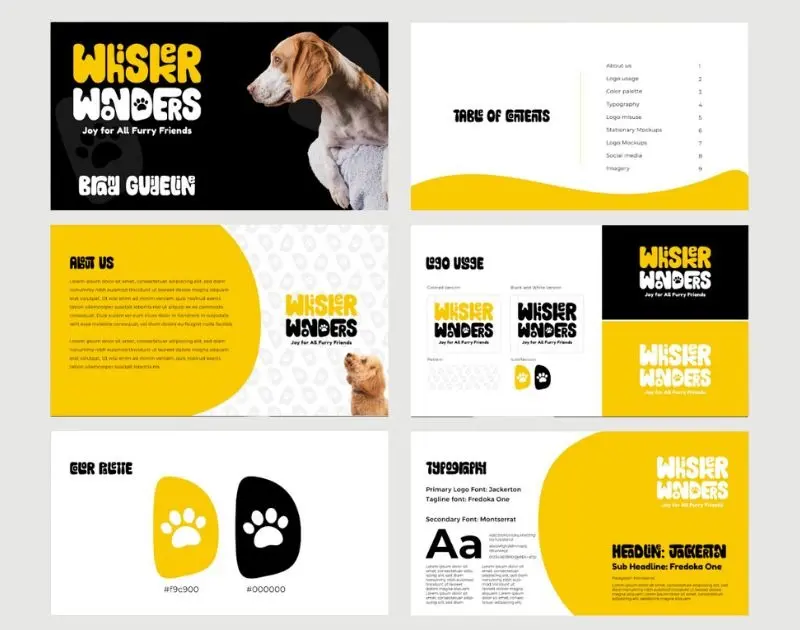
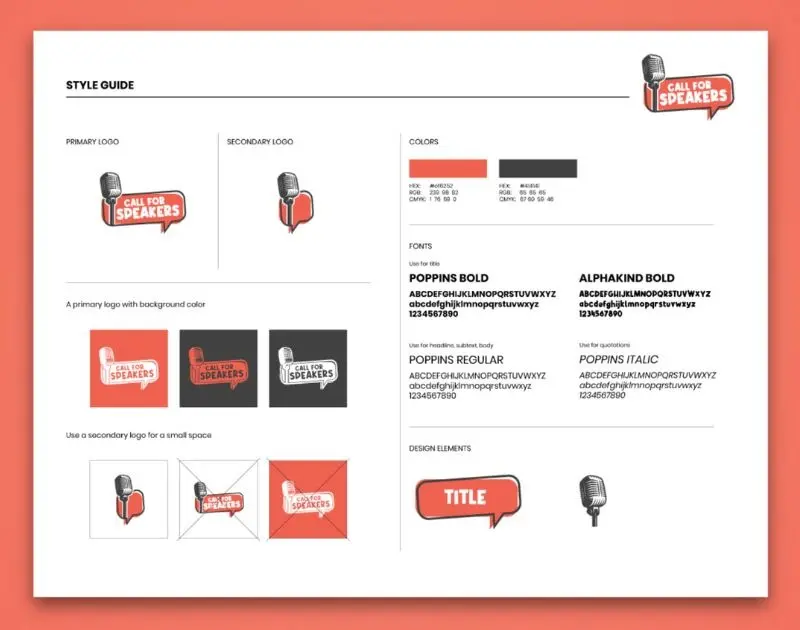
- Brand Style Guide = Visual design rules. Think of this as brand guidelines, but only the visual part. If you need visual assets designed, like social media posts or email templates, a brand style guide can be a useful quick guide for your brand design services provider.
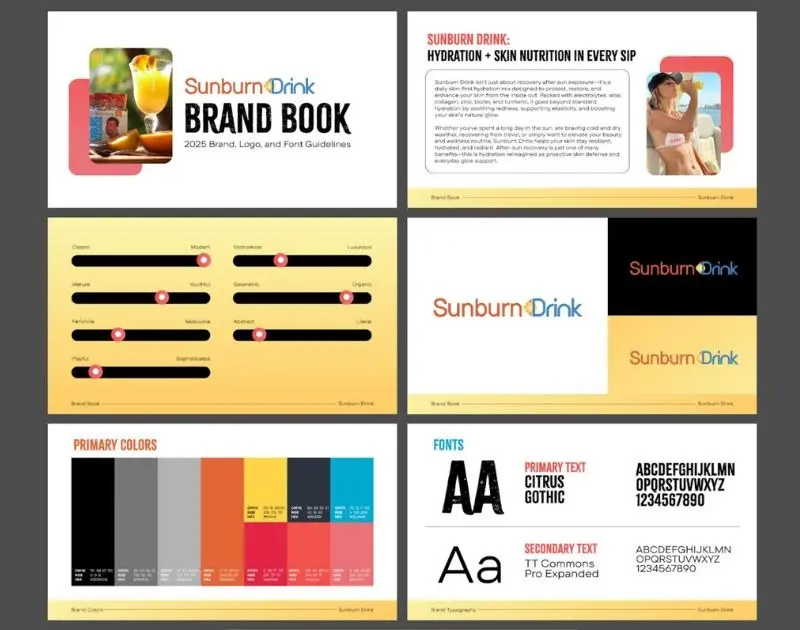
- Brand Book = Full branding system and strategy. Last but not least, a brand book is the complete version of everything related to your brand, including the story behind it, your positioning, and your brand strategy guide.
What Should Every Brand Guidelines Document Include?
If you look at examples of brand guidelines, you’ll find core elements, along with optional elements that not all brands may include. Here are the core elements and optional ones to consider:
1. Logo Usage
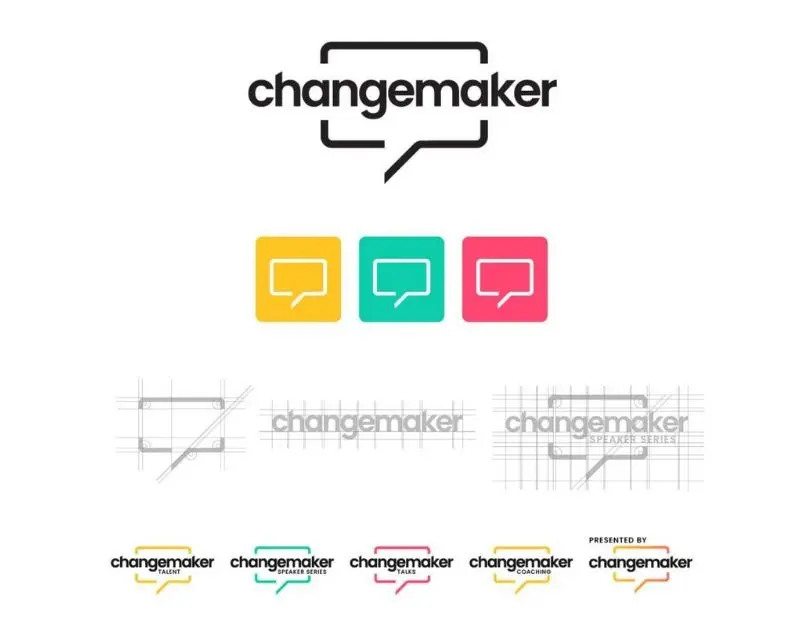
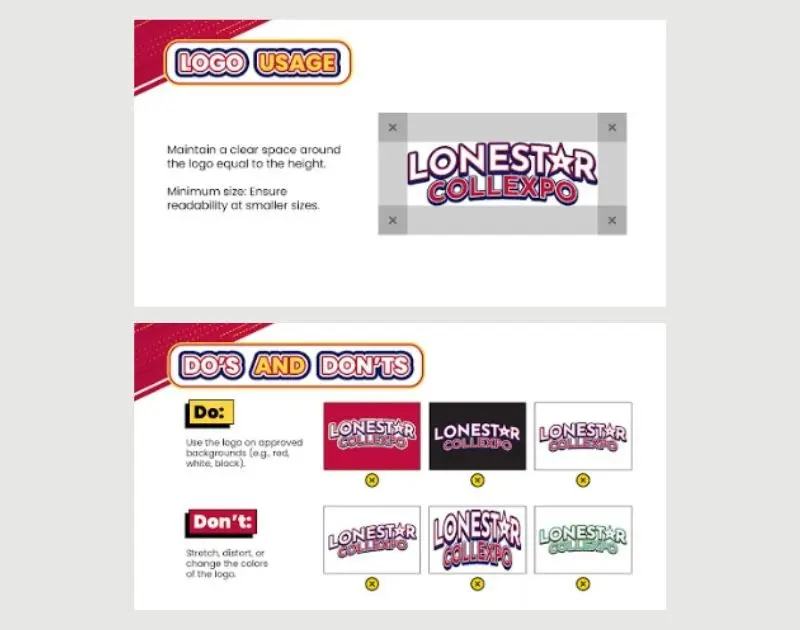
Your brand guidelines should clearly indicate how to use your most important visual asset, which is your logo. Logo usage includes approved color varieties, monochrome versions, and the space around your logo.
For example, this logo usage offers logo varieties, including a black-and-white version, icon versions, and colored wordmarks:
This logo usage example, meanwhile, includes how much space should be put around the logo. It also includes dos and don’ts when using the logo:
2. Color Palette
What are your brand colors? If you’re looking for inspiration from the top brands, statistics tell us that 40.5% of Fortune 500 companies have blue logos. The second most used color for top brands’ logos is black, followed by red.
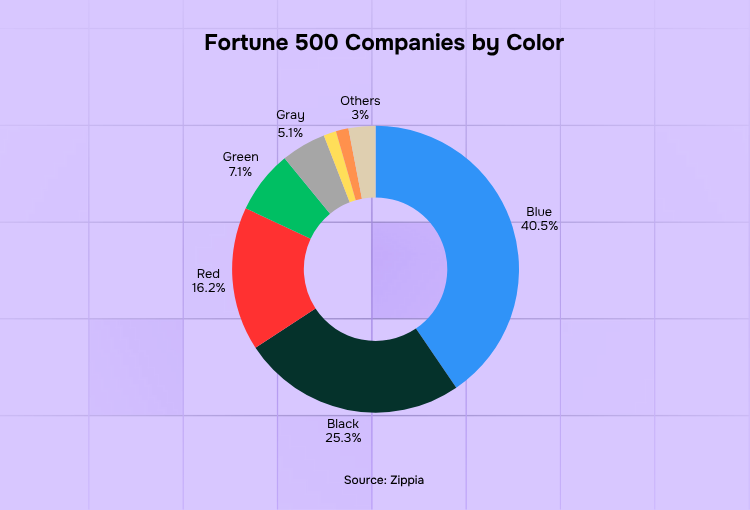
But of course, you don’t need to imitate a brand to stand out. When you design a brand, consider color psychology and think of the feelings you want your primary and secondary brand colors to evoke.
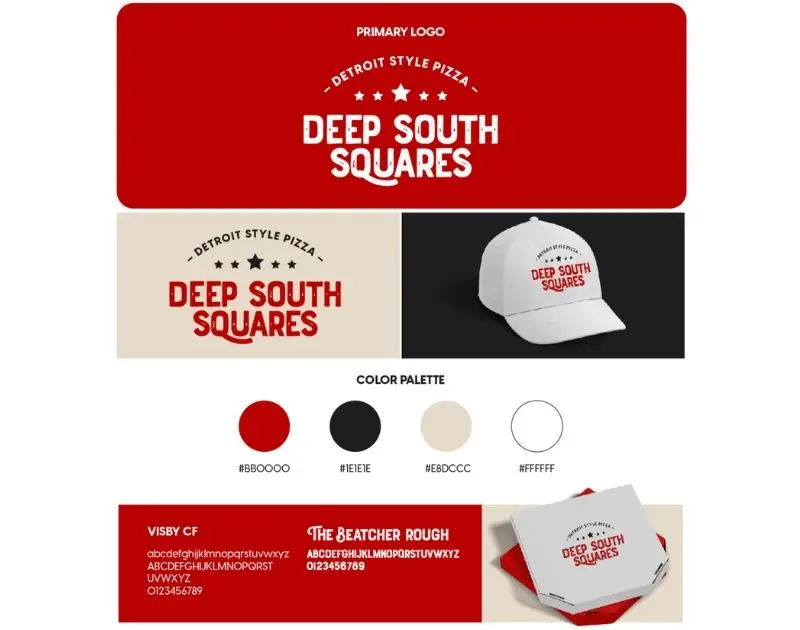
To ensure that your colors stay consistent across channels, document their exact values in:
- HEX
- RGB
- CMYK
- Pantone
3. Typography
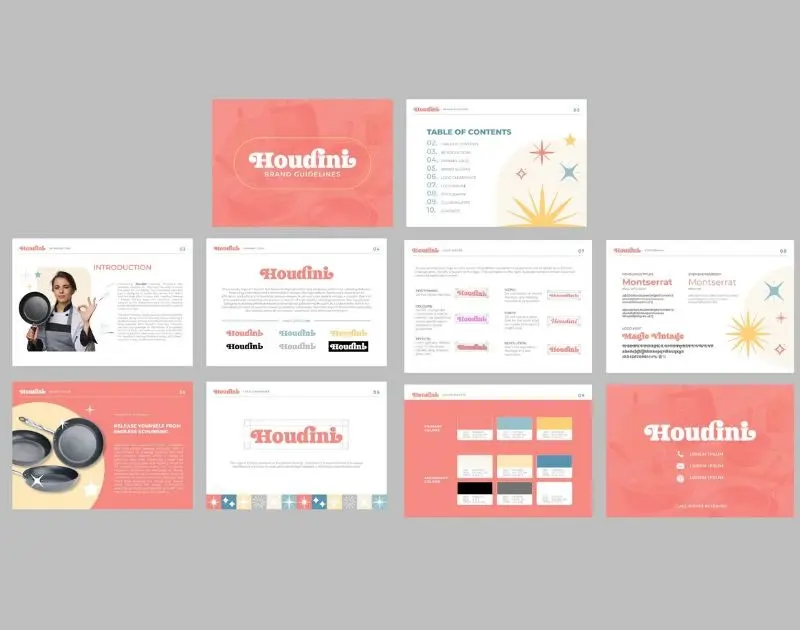
As you would see in any brand guidelines template, the typography section documents the brand fonts and how to use them. For instance, what fonts do you use for headlines, body, or captions? You can also include fallbacks for mobile screens and web use.
4. Voice and Tone
Here, you need to explain how your brand speaks. Are you formal or casual? Friendly or authoritative? The last thing you want is to use a different voice and tone for different channels; doing so can make your brand feel unsteady and insecure.
The four core elements above are enough to build the foundation of a brand. Here are the optional ones you may want to consider to apply the brand faster and more consistently:
- Imagery and Graphic Style
- Templates and Examples
- Illustration Style
- Social Media Branding Rules
- Brand Application (ex. Website, packaging, merch, etc.)
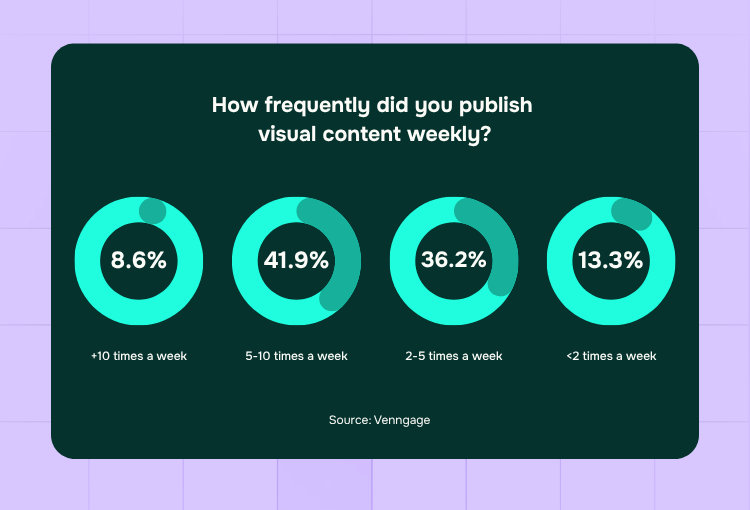
If you’re not quite sure what else to include, think of the usual visual assets you regularly need and what elements you could standardize to make the production easier. After all, data tells us that 41.9% of marketers said they publish visual content 5 to 10 times per week.
If you regularly publish social media content or, perhaps, you send email newsletters every week, you may want to include templates for those in your brand guidelines.
In short, your brand guidelines should be a creative design solution that offers a shortcut and empowers you to keep your brand consistent.
The Lowdown: Building Brand Guidelines More Efficiently
At the very least, every brand should document its core brand elements in its brand guidelines to define how the business looks and speaks.
However, building brand guidelines from the ground up can be a heavy task, especially for those who don’t have the time or those who don’t know the first thing about design. Fortunately, you can outsource this task to design-as-a-service platforms like Penji.
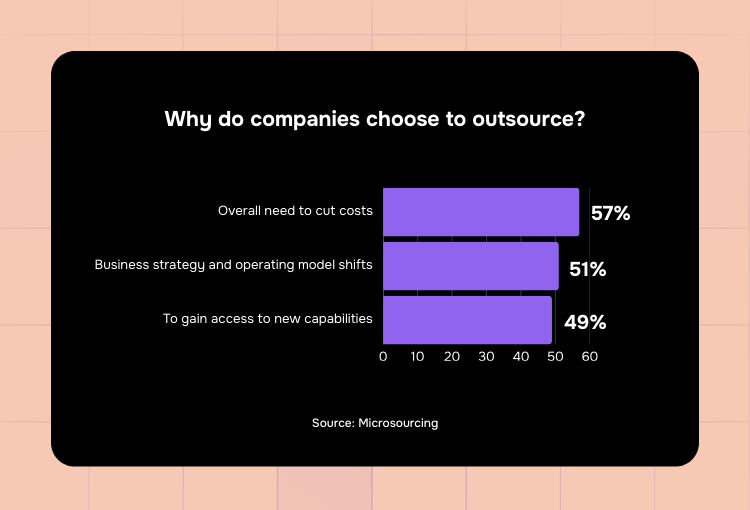
Not only will it help you save time and effort, but it will also help you save money. In fact, data reveal that 57% of companies that outsource tasks do so to cut overall costs.
At Penji, you can have your brand guidelines done by the world’s top 2% of designers who are experts in branding and graphic design. Even better? Penji offers unlimited graphic design at a flat monthly rate, so you can also have all your other visual assets done all in the same platform and for the same monthly subscription.
View Penji’s portfolio and see why Penji is the top creative solution for brands of all sizes.
Frequently Asked Questions (FAQs)
What should be included in brand guidelines?
Brand guidelines should include the basic elements of a brand identity, including the logo, color palette, typography, imagery style, and brand voice.
How long should brand guidelines be?
Brand guidelines should be long enough to cover all the needed elements and short enough to be used easily. Around 10 to 25 pages should be enough.
What’s the difference between a logo guide and brand guidelines?
A logo guide documents how a logo must be used, while brand guidelines go further and explain all the elements related to brand design, including colors, typography, imagery, and brand visual style.
About the author

Carla Deña
Carla is a journalist and content writer who produces stories for both digital and legacy media. She is passionate about creativity, innovation, and helping small businesses explore solutions that drive growth and social impact.