








TL;DR: Brand design services are the secret sauce to communicating brand values and everything a business stands for. With expert use of design elements, professionals can help brands establish their identity and foster trust.
What spells the difference between a forgettable brand and one that makes a mark? There may be a lot of factors at play, but brand design services are surely on top of the list.
To illustrate the power of branding and design, let’s play a little game. Can you guess the following brands based on their brand colors?
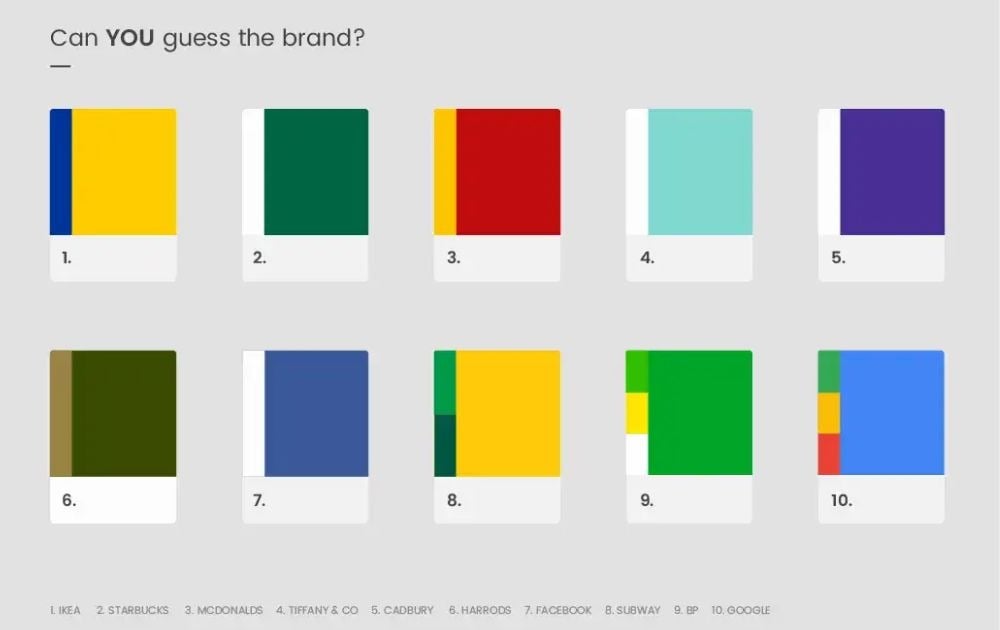
To see how you faired against the average consumer, here are the answers and how many respondents got them correctly in a survey conducted by Reboot:
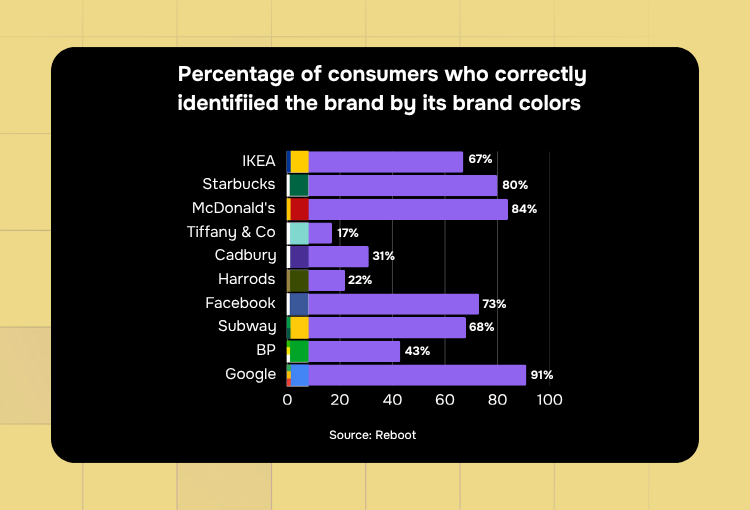
This little exercise proves how design elements, including colors, can do a lot to boost brand awareness and embed it in our memory. These design elements are carefully thought of to build a solid brand that creates shortcuts in the minds of consumers.
In this article, let’s unpack everything there is to know about branding services and how the right design can improve your brand positioning. We’ll also tackle how the brand design process works and discuss mistakes you should avoid.
But first, let’s answer a common question–
What Are Brand Design Services?
Brand design services are professional graphic design services that creates the visual identity of a business. Though most people often associate it with logo creation, it goes beyond this asset and also encompasses other elements, such as:
- Typography
- Color palette
- Layout
- Packaging
- Social media graphics
- Print visuals
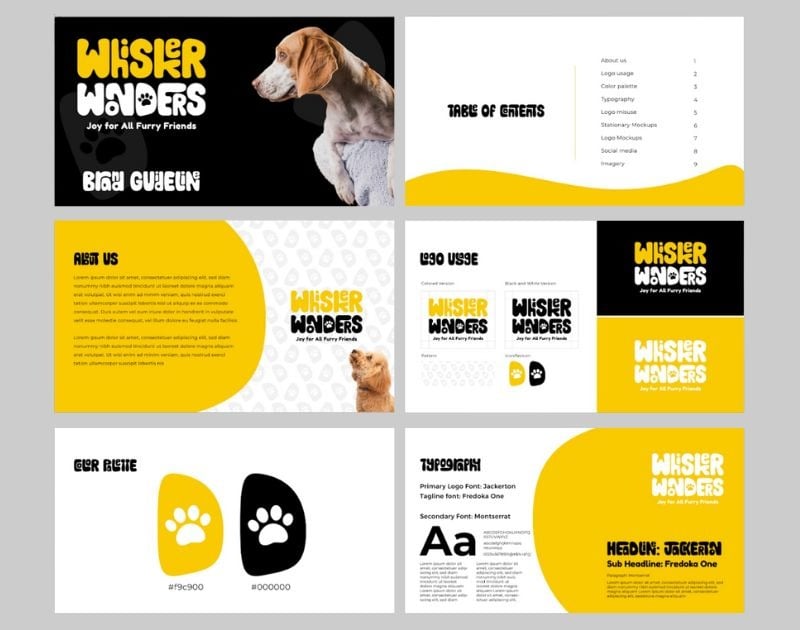
It’s crucial to note that brand design services don’t have to end with building a branding kit. After all, having one wouldn’t do much if the brand doesn’t apply the guidelines in marketing efforts.
Brand design services from the world's top 2% designers
All the designs you need at a flat monthly rate
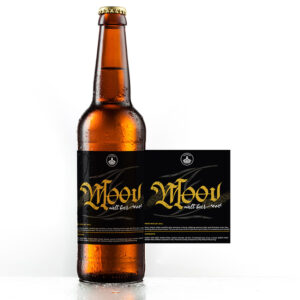
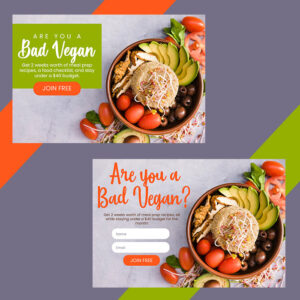
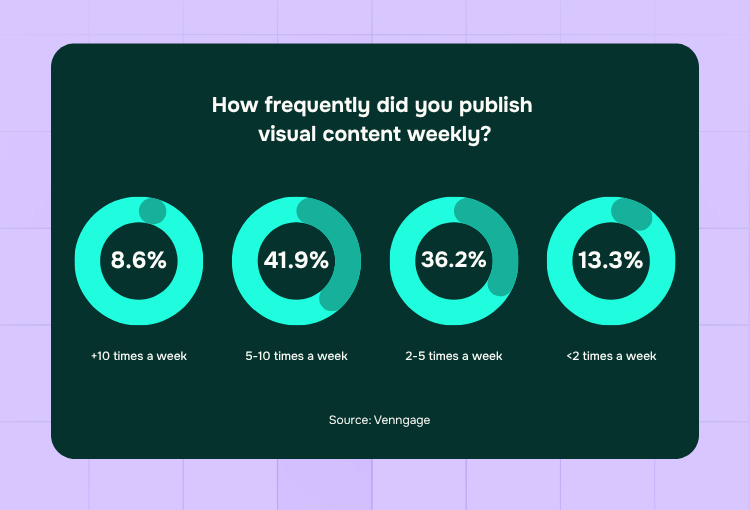
With data telling us that 41.9% of marketers publish visual content up to 10 times every week, it’s clear that brand consistency is essential. Every social media post, online ad, or infographic can be a chance to reinforce your brand identity.
By establishing brand guidelines and applying them to continuous marketing efforts, brand design services help a brand do the following:
- Express its identity and mission
- Communicate messages clearly
- Build brand loyalty and consumer trust
When Should You Hire a Brand Designer?
In general, all brands aiming for customer trust should have a professional-looking brand design.
Whether you want to hire brand designer or designers in-house, or you’re looking to subscribe to digital design services or design-as-a-service platforms, here are instances when it makes the most sense:
- You’re launching something new. Are you launching a new brand, a new collection, or a product or service? It’s the perfect time for a fresh start. A graphic design services agency can help you hit the ground running by creating a branding kit, packaging designs, or marketing visuals that express your message the best way possible.
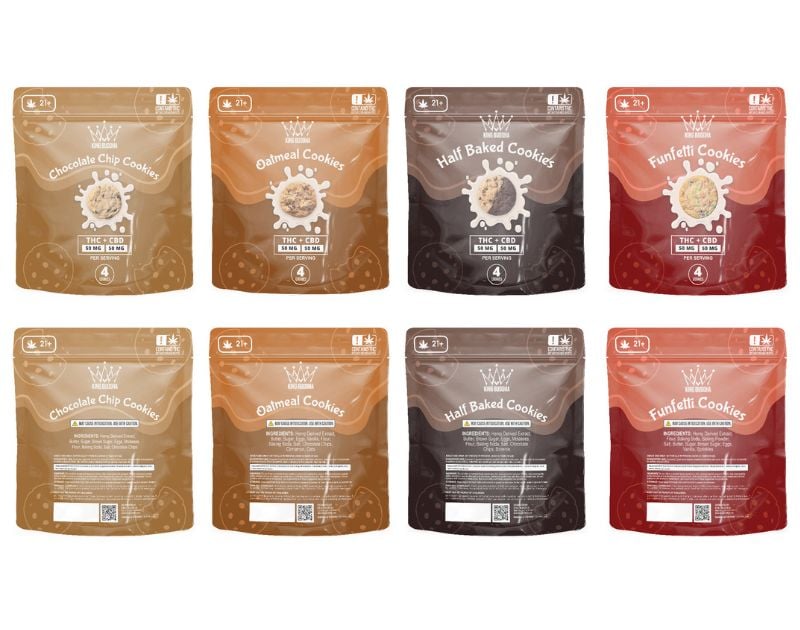
- Your brand has evolved. With more than 8 out of 10 marketers saying they’ve worked on a rebrand, it’s safe to say that brand evolution isn’t uncommon. If your current brand visuals no longer reflect your brand identity, then it’s time to get rebranding services. Doing so will allow you to update your look so that you’re not stuck with an outdated branding kit.
- You want to scale content creation. Growing brands need to scale content creation to reach more prospects. However, scaling doesn’t only mean producing more content but also entails staying consistent with the brand’s look. In this light, hiring brand designer will help ensure that brand messaging stays cohesive across platforms.
How Does the Brand Design Process Work?
Collaborating with a brand designer can be simple if you’re working with a service provider that fits your needs.
Here’s how the process works:
1. Brand Strategy and Concept Development
In this initial stage, you need to sit down and brainstorm about your brand. Here’s a simple worksheet template to help you out:
Brand Strategy & Concept Development Worksheet
1. Brand Overview
- What is your brand name?
- What products or services do you offer?
- Describe your brand in one sentence.
2. Purpose and Vision
- Why does the brand exist?
- What problem/s are you solving for your audience?
3. Target Audience
- Describe your ideal customer (age, lifestyle, profession, interests)
- What are their pain points in relation to what you offer?
- What motivates your audience to support your brand?
4. Brand Personality and Voice
- What is your brand voice (e.g., friendly, professional, etc.)?
- What brands do you admire?
5. Visual Direction
- What colors represent your brand?
- Which fonts represent your brand?
- What is your brand aesthetic (e.g., minimalist, modern, playful, etc.)?
- How do you want your audience to feel when they see your visuals?
For the visual direction part, don’t worry if you don’t have everything planned out from the start. Remember: the worksheet above is meant to be a starting point for you and your graphic design service provider. It’s not meant to be set in stone.
2. Design and Creation
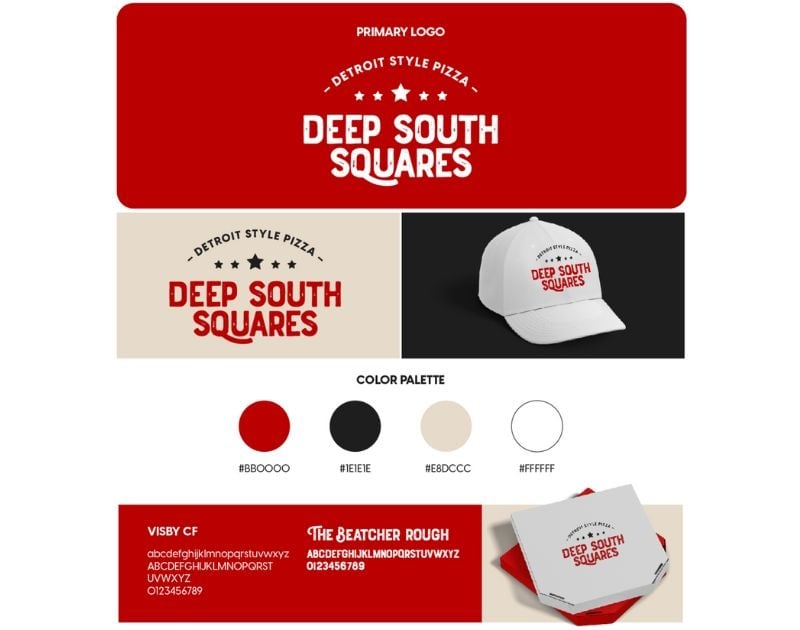
Once you have a brand strategy and concept in place, your designer can then create a branding design for you, starting with the logo.
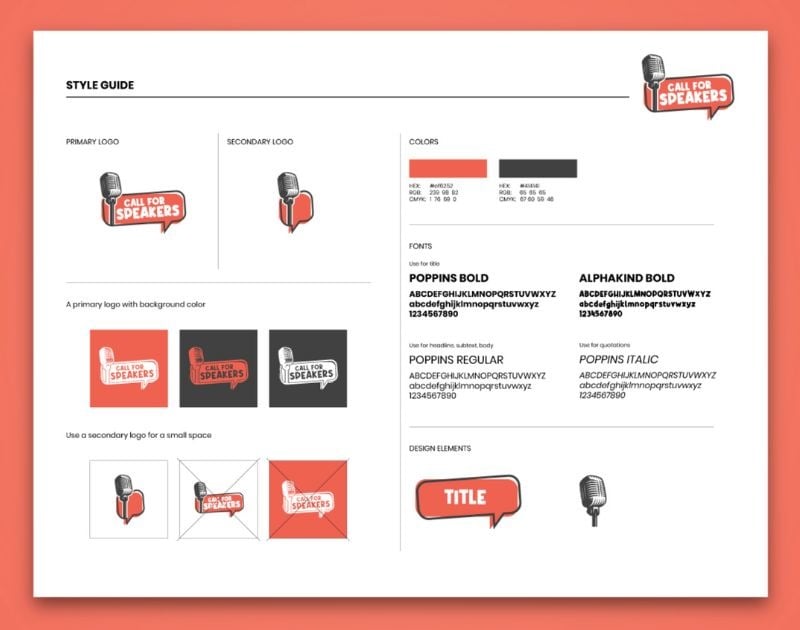
Afterward or alongside creating your logo, the designer will build a branding kit that includes elements like:
- Color palette (including primary and secondary colors)
- Typography (fonts and spacing guidelines, if any)
- Imagery and style guide (examples of illustrations or patterns that match your brand’s tone)
- Brand usage rules (how to use the logo and colors)
- Icons and graphics (custom visual elements, textures, or shapes)
In addition to the elements above, you can also request templates for visual assets like social media posts, letterheads, business cards, or presentation templates.
3. Feedback and Refinement
The best branding agencies know that branding takes time and effort. That said, don’t think twice about giving feedback to our designer if something isn’t to your liking. By doing so, your branding services provider can fine-tune the visuals to best reflect your brand.
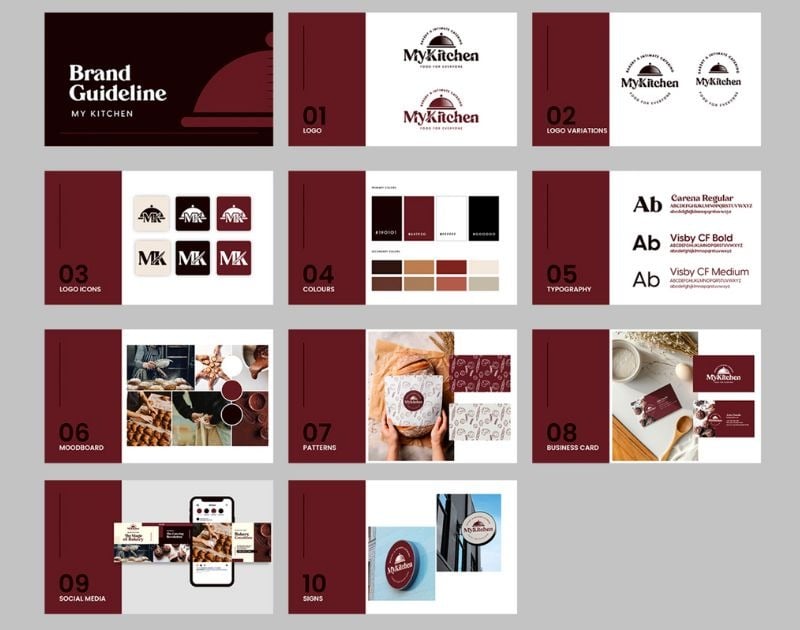
The Lowdown: The ROI of Brand Design Services
The return on investment of brand design services comes in the form of brand recognition and brand trust. In that sense, brand design services aren’t all about spending on a logo or a branding kit. It’s an investment in your brand image and reputation.
The cost of branding packages can vary, depending on several factors. For instance, rates would differ between an unlimited design provider vs. a rebrand agency that charges per hour. In addition, a full-service branding agency service that includes market research would cost more.
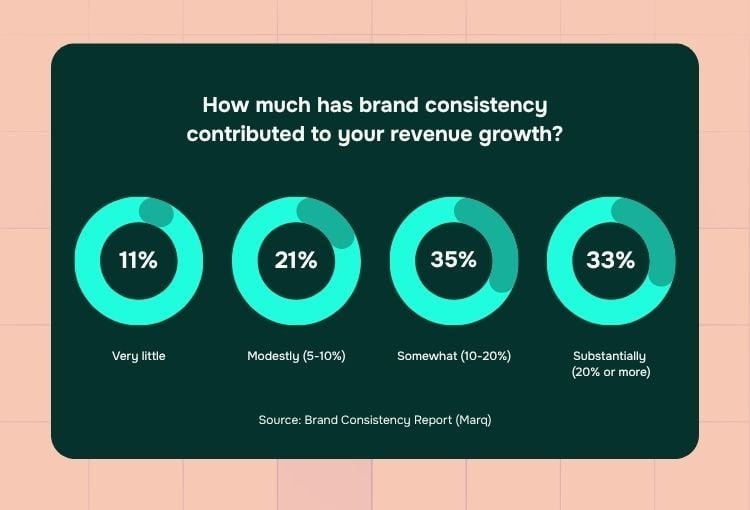
But whatever avenue you choose, one thing’s for sure: brand consistency translates to revenue growth. In fact, a survey revealed that one in three brands experienced a minimum of 20% revenue growth due to brand consistency.
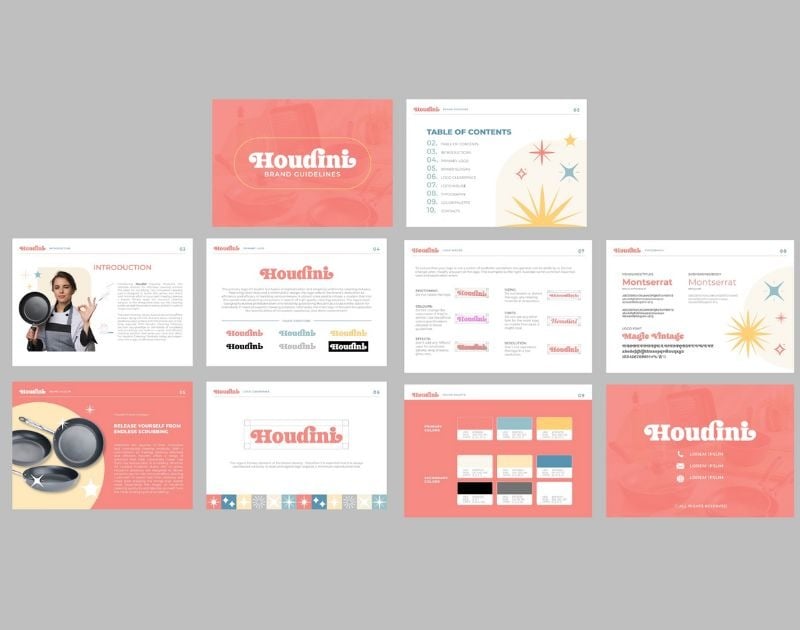
When it comes to brand design services, Penji stands out in terms of design quality. Powered by the world’s top 2% designers, this unlimited graphic design company can catapult your brand visuals to new heights.
Visit Penji’s portfolio and see why Penji is the preferred on-demand graphic design platform among brands of all sizes.
Frequently Asked Questions (FAQs)
What’s the difference between branding and brand design services?
Branding pertains to a business’ overall strategy, including its vision, values, and tone of voice. Brand design, on the other hand, focuses on the visual assets, such as the logo, color palette, typography, and other design elements.
Can I hire a designer for one project?
Yes. You can hire a freelance designer for one project or subscribe to an unlimited graphic design service for the duration of the project.
How do I measure design success?
Design success can depend on your brand’s unique goals. In general, you can track the effectiveness of your designs through metrics like engagement rates, brand recognition, and customer feedback.
About the author

Carla Deña
Carla is a journalist and content writer who produces stories for both digital and legacy media. She is passionate about creativity, innovation, and helping small businesses explore solutions that drive growth and social impact.