







TL;DR: Startups need design tools that are fast, affordable, and scalable. This post covers the best free, paid, and AI options for early-stage teams, plus why a graphic design subscription often outperforms them all.
The best design tools for startups include free options like Canva and GIMP, paid platforms like Adobe Creative Cloud and Figma, and AI-powered tools like Adobe Firefly and Midjourney.
Startups with consistent output needs often get the most value from a graphic design subscription that delivers production-ready work without the learning curve or tool management overhead.
Building a brand from scratch is expensive enough. Most startup founders don’t budget for a design team, but they still need a pitch deck that looks sharp, a logo that holds up, and social posts that don’t embarrass anyone.
The good news is that the design landscape has never been more varied. Free tools, AI shortcuts, and unlimited graphic design services have changed what’s possible on a tight budget.
This post breaks down what’s actually worth using, organized by category, with real use cases attached to each.
What Are the Best Free Design Tools for Startups?
Budget is the first filter for any early-stage team. Free tools have gotten genuinely capable, and a few of them can carry a startup through its first year without a single paid subscription.
Canva is the go-to starting point. It’s template-heavy by design, which works well for social media graphics, pitch decks, and simple branded content.
The free tier is generous and beginner-friendly.
Use case: a bootstrapped SaaS company building out their first social media presence can get months of content from Canva’s template library alone.
GIMP is the open-source answer to Photoshop. Less intuitive, but capable of serious image editing, photo retouching, and custom graphics that most free tools can’t touch.
Use case: a product startup editing product photography without committing to a monthly software bill.
Gravit Designer handles vector editing for free, which matters for logo work and brand assets that need to scale cleanly.
Use case: a founder creating brand icons that look crisp at any size, across any medium.
Free tools get the job done early on. But as brand standards tighten and design volume climbs, free platforms start showing their limits.
That’s when professional graphic design services become a more practical call than another Canva workaround.
Which Paid Design Tools Are Worth It for Growing Startups?
Paid tools earn their price when the work gets more complex. These platforms are built for teams that need precision, collaboration, and output that can stand up to scrutiny.
Adobe Creative Cloud is the industry standard for good reason. Photoshop, Illustrator, and InDesign cover everything from brand identity to print production. It’s best suited for startups with an in-house designer or someone with real Adobe experience already.
Use case: a funded startup building a full brand guide with custom typography, iconography, and print-ready assets.
Figma has become the default for UI/UX and digital product design. Its real-time collaboration makes it practical for distributed teams working across time zones.
Use case: a tech startup designing their app interface with remote contractors contributing simultaneously in the same file.
Affinity Designer is the budget alternative to Adobe Illustrator. One-time purchase, no subscription lock-in.
Use case: an early-stage brand that needs solid vector design capability without tying up monthly budget.
Paid tools require skill to use well. A startup without a trained designer will spend more time learning software than producing work.
That’s when design as a service starts making more financial sense than another software seat.\
How Are AI Design Tools Changing Startup Workflows?
AI has moved from novelty to genuinely useful in a short window of time. A handful of tools are now practical for startup teams that need to produce visual content faster than their headcount allows.
Adobe Firefly integrates directly into Creative Cloud and generates images, text effects, and design elements from a plain-language prompt.
Use case: a marketing team generating custom background imagery for ad campaigns without commissioning original photography each time.
Midjourney produces high-quality generative images and has become widely used for concept exploration, mood boards, and social content at scale.
Use case: a lifestyle brand testing visual directions before committing budget to a full brand shoot.
Canva’s AI features, including Magic Design and text-to-image generation, let non-designers produce usable visuals faster than before.
Use case: a solo founder creating quick social content between product launches when there’s no design support available.
AI tools speed things up at the concept stage. What they can’t do reliably is build and maintain a consistent brand system.
According to a 2024 HubSpot report, consistent brand presentation can increase revenue by up to 33%. AI-generated assets can undercut that consistency if they aren’t grounded in a coherent brand direction.
Why Do Startups Eventually Outgrow Their Design Tools?
Most startup founders begin with Canva. That’s a reasonable move. But at some point, the design request volume rises, brand standards get more specific, and the time cost of doing everything in-house becomes unsustainable. A founder spending three hours building a pitch deck is a founder not working on the product or the pipeline.
The math shifts quickly. Stacking more tool subscriptions doesn’t solve the bottleneck. It just moves it. What a scaling startup needs isn’t more software access.
It’s reliable, professional output that comes back ready to use.
That’s exactly what unlimited graphic design services are built to deliver. Instead of managing tools, templates, and revision cycles, a startup gets real designers producing real work on request.
Is a Graphic Design Subscription the Right Fit for Startups?
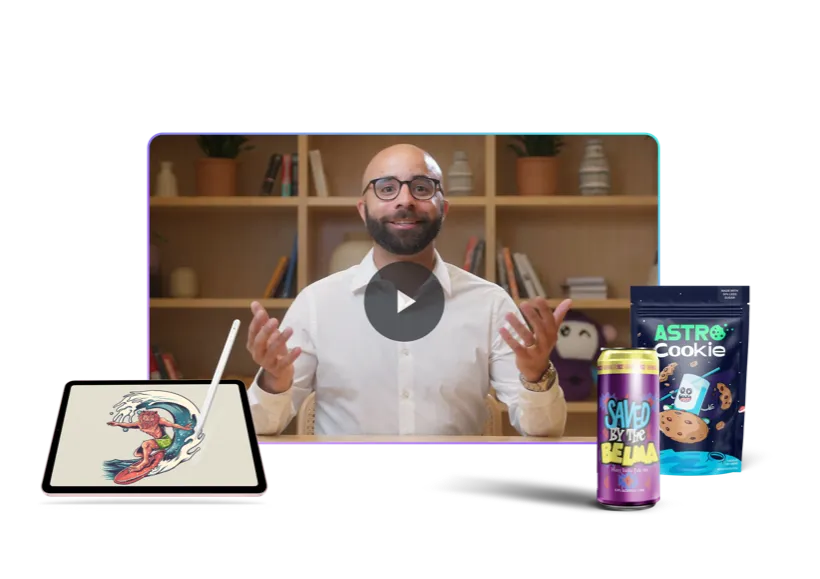
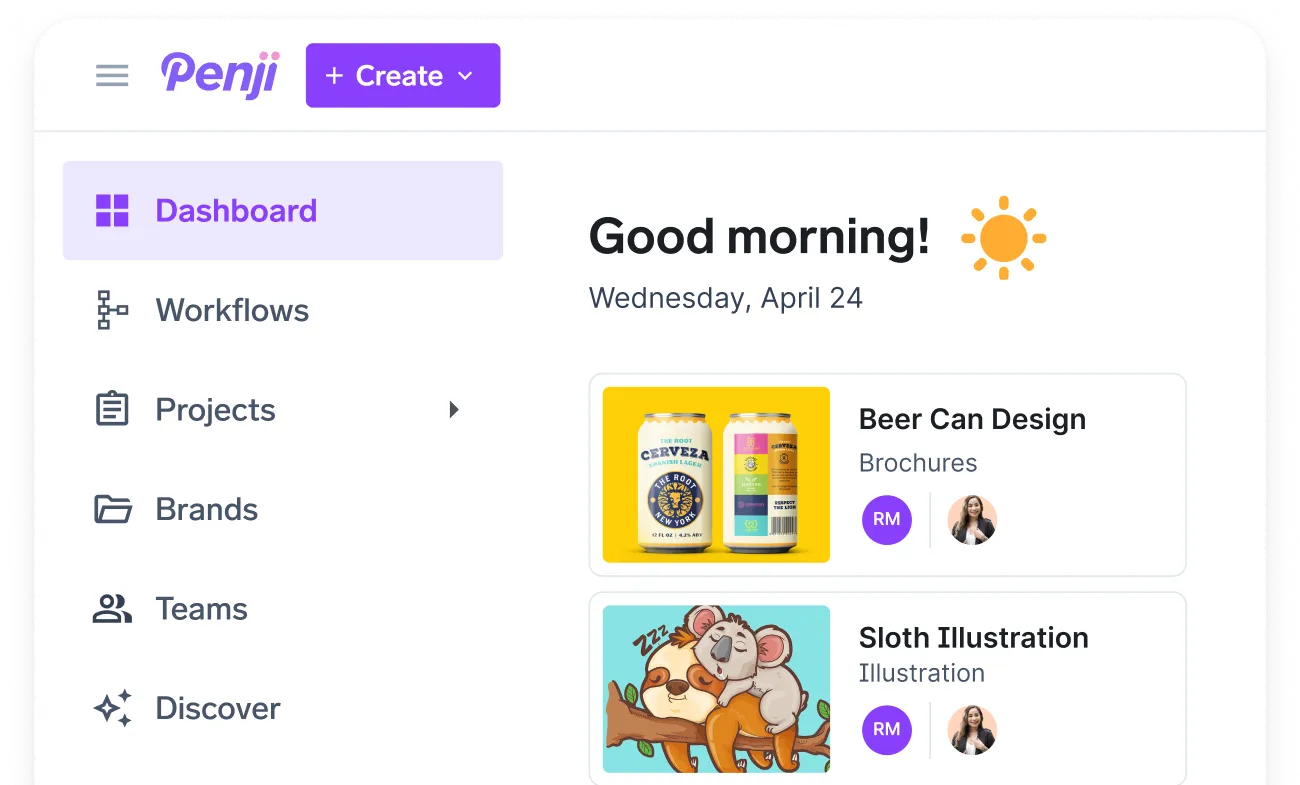
Penji is a graphic design subscription service built for teams at exactly this stage. For a flat monthly fee, startups get unlimited design requests handled by professional designers who understand branding, marketing, and digital production across every channel.
The case for why Penji is straightforward. No hiring, no project-by-project negotiating, no chasing freelancers through three communication platforms.
Requests go in, designs come back, revisions are handled. Startups that need social graphics, pitch decks, paid ads, brand assets, and more don’t have to manage a dozen tools to get them done.
Use case: a Series A startup scaling their content output across email, paid social, and organic channels simultaneously. Instead of hiring a full-time designer or managing multiple freelancers, they run their entire design operation through Penji as an on-demand creative team.
For a more detailed breakdown of how this stacks up against other options, Penji’s guide for startups is worth reading before making a final call.
The Right Tool Depends on Where the Team Is
The best design tools for a startup shift depending on the stage, the volume, and the available skill set. Free tools work well early. Paid tools pay off when there’s design talent to use them. AI tools accelerate concept work but can’t replace a coherent brand system. And a graphic design subscription covers the gap that all of them leave open: consistent, production-ready output without adding overhead.
Penji handles the design work so startup teams can stay focused on what actually moves the business forward.
See what Penji can do for your brand. Browse plans and get started today.
Frequently Asked Questions
Most early-stage startups begin with Canva for its accessibility and deep template library. As needs grow, teams often add Figma for product design or Adobe Creative Cloud for more advanced production work. Many eventually shift toward professional graphic design services to avoid the time cost of managing software and revisions internally.
AI tools are genuinely useful for generating concepts, backgrounds, and quick social content, but they aren’t reliable for building a consistent brand system from scratch. Brand identity requires intentional design decisions that go beyond what a text prompt can produce. AI works best as a supplement to professional design work, not a replacement for it.
A design tool gives a team software to create work themselves. A design subscription service like Penji gives a team a professional designer who creates the work for them. That distinction matters most when design volume is high, timelines are tight, or the brand requires consistent quality that a non-designer can’t reliably deliver on their own.
Early-stage startups often spend between $50 and $200 per month on software subscriptions. As output needs grow, a flat-rate graphic design subscription typically delivers more value than stacking individual tool costs and freelance rates together. The real number to weigh is the time cost of managing the process, not just the price of the tools involved.
About the author

Flore
Flore’s passionate about turning ideas into clear, useful content that connects with people and performs on search. From blog posts and landing pages to full content plans, her work is grounded in purpose and always aligned with a bigger picture.
Table of Contents
- What Are the Best Free Design Tools for Startups?
- Which Paid Design Tools Are Worth It for Growing Startups?
- How Are AI Design Tools Changing Startup Workflows?
- Why Do Startups Eventually Outgrow Their Design Tools?
- Is a Graphic Design Subscription the Right Fit for Startups?
- The Right Tool Depends on Where the Team Is
- Frequently Asked Questions