








TL;DR: Subscription-based creative design services aren’t a fad. Rising demand, flexible pricing, and unlimited requests solve real problems for businesses that need consistent design without the overhead of hiring full-time talent.
Creative design services built on a subscription model have grown fast over the past few years, and the numbers behind that growth point to something more permanent than a passing trend.
Businesses are choosing flat monthly pricing and unlimited requests over the unpredictable costs of freelancers and in-house teams, and that shift is reshaping how companies think about design entirely.
What Are Subscription-Based Creative Design Services?
A subscription-based creative design service charges one flat monthly fee for unlimited (or high-volume) design requests, instead of billing per project or per hour.
A marketing manager might submit a request for a trade show banner on Monday and a social carousel on Wednesday, all under the same plan, with no new invoice each time.
This model falls under the broader umbrella of creative as a service, where design work functions more like a utility than a one-off purchase.
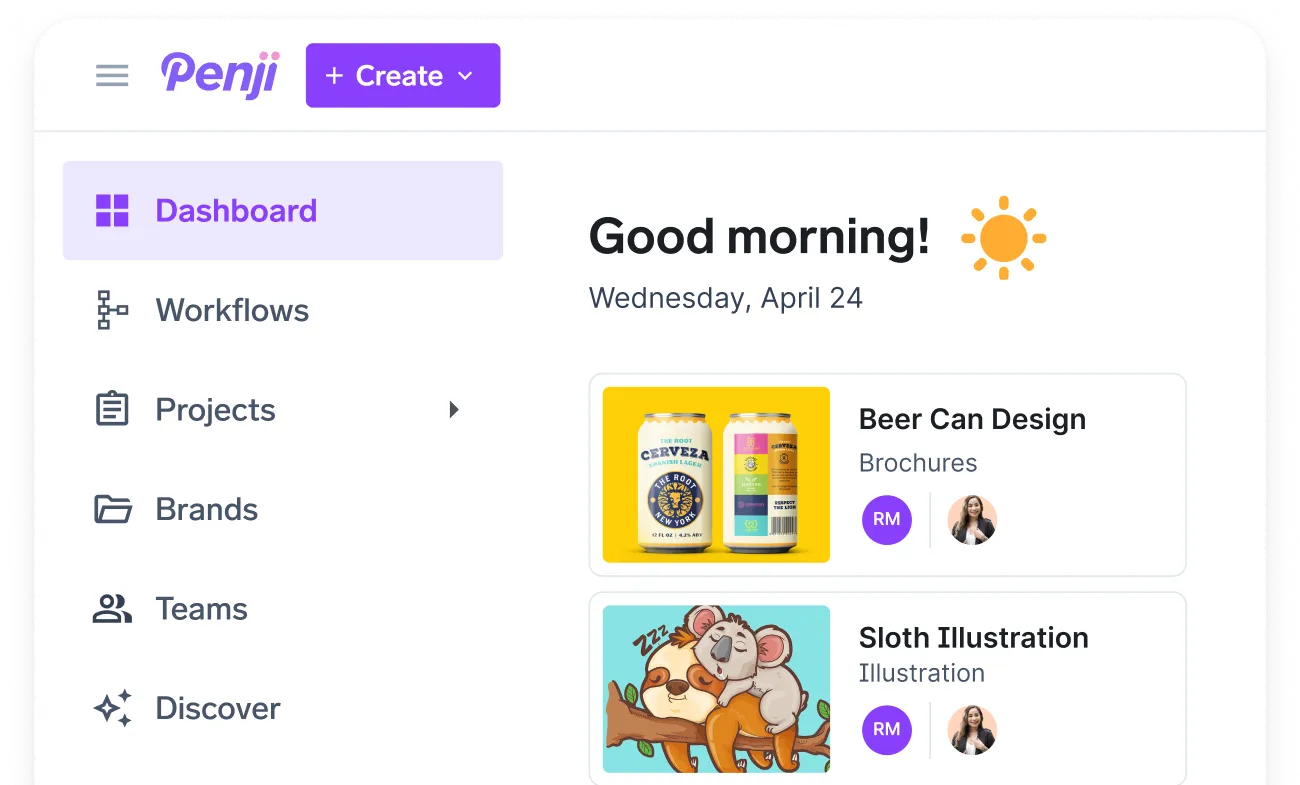
Companies like Penji built their entire business around this idea: pay once, request as much as your plan allows, and get a dedicated designer who actually learns your brand instead of starting from scratch every time.
The appeal is obvious once you’ve dealt with the alternative. A founder we spoke to said she burned through three different freelancers in one year because each one needed a fresh briefing, fresh files, and fresh patience.
Subscription services solve that specific headache by keeping the same team in place over time.
Why Are Businesses Switching to Design Subscriptions?
Cost predictability tops the list. A business that pays $499 a month for unlimited design services knows exactly what design will cost for the next twelve months.
Compare that to hiring a single in-house designer, where average salaries run well into the five figures before benefits and software licenses even enter the picture.
Speed matters just as much. Most graphic design services subscriptions promise 24 to 48 hour turnaround on standard requests, which is hard to match with a freelancer juggling five other clients.
When a product launch gets pushed up by two weeks, that turnaround difference becomes the difference between hitting the date or missing it.
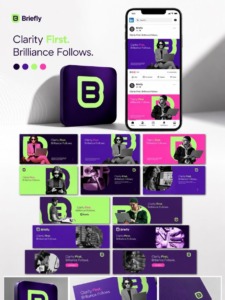
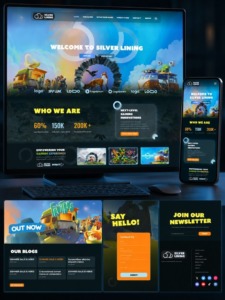
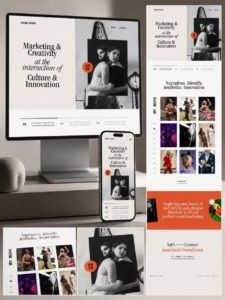
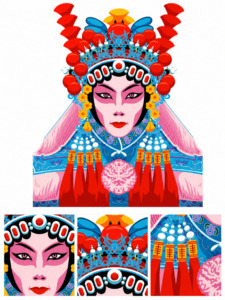
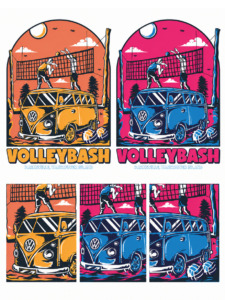
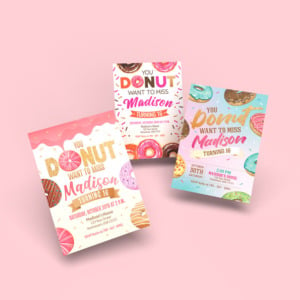
There’s also the breadth of what gets covered. One plan typically handles social graphics, presentation decks, web banners, print collateral, and brand assets.
Try finding a single freelancer who’s equally strong across all five, and you’ll usually end up managing three or four different vendors instead of one.
Get a design package with unlimited graphic design
Try Penji risk-free for 30 days & get unlimited custom designs

Is This Really Different From Traditional Design Agencies?
Yes, and the difference is structural, not cosmetic. Traditional agencies bill by project or by retainer hour, which means costs creep up the moment scope expands.
A logo project becomes a logo project plus three rounds of revisions plus a rush fee, and the invoice grows with it.
Design subscription services flip that. The price stays flat whether a business submits two requests in a month or twenty.
That changes the psychology of asking for design help. Teams stop rationing their requests because they’re worried about cost, and design becomes something they use constantly instead of sparingly.
Agencies still win on certain things, particularly massive brand overhauls or campaigns that need a large team working in parallel.
But for the steady stream of day-to-day design work most businesses actually need, the subscription model covers more ground at a fraction of the spend.
What Does the Research Say About Long-Term Demand?
The subscription economy overall has shown consistent growth across software, media, and now creative services, and design is following the same trajectory that software did a decade ago.
Businesses got comfortable paying monthly for tools they used to buy outright, and the same logic is now applied to design work itself.
A brand consistency report from Marq found that companies with strong design consistency see significantly stronger revenue growth than those without it, which helps explain why more businesses are willing to commit to an ongoing design relationship instead of treating design as a one-time purchase.
Consistency requires repetition, and repetition requires a steady design partner, not a rotating cast of freelancers.
That demand isn’t limited to startups, either.
Established companies are layering subscription design on top of their existing marketing teams to handle overflow work, which says something about how normalized this model has become across business sizes.
Who Benefits Most From a Design Subscription?
Small and mid-sized businesses see the clearest win because they typically can’t justify a full in-house design team but still need a steady output of marketing material.
A subscription gives them agency-level output without agency-level overhead.
Marketing agencies have started using creative design services as white-label production support too. Rather than hiring additional designers to handle client overflow, agencies route extra work through a subscription and keep their margins intact.
E-commerce brands lean on subscriptions for the constant churn of product imagery, ad creative, and seasonal promotions that never really stops.
Penji’s on-demand creative design model works particularly well for businesses with unpredictable workload spikes, since the flat fee means a heavy month doesn’t trigger a surprise bill the way project-based pricing would.
Is There Any Risk This Trend Reverses?
Some risk exists in any market that grows quickly, but the underlying drivers here aren’t temporary.
Cost pressure on businesses isn’t going away, and the appetite for predictable, flat-rate spending tends to grow during uncertain economic periods rather than shrink.
The bigger shift is in expectations. Once a business experiences unlimited requests and fast turnaround, going back to hourly billing and project quotes feels like a step backward.
That’s a hard habit to break once it’s formed, and it’s part of why subscription providers are seeing strong retention rather than the churn you’d expect from a fad.
Design needs aren’t slowing down either.
More channels, more formats, more platforms all mean more design requests, not fewer, and that pressure favors a model built to absorb volume.
This is a model with staying power, not a trend that fades once the novelty wears off. Businesses that adopt it early are building a design pipeline that scales with them instead of one they have to rebuild every time their needs change.
If your team is still piecing together design from freelancers or handling it in-house without dedicated support, it might be worth seeing what a flat-rate design subscription service actually looks like day to day.
Explore Penji’s plans and see how unlimited requests change the way your team approaches design.
Frequently Asked Questions
Is subscription-based design actually cheaper than hiring in-house?
In most cases, yes. A flat monthly subscription typically costs a fraction of a single full-time designer’s salary, and it comes without the added expense of benefits, software licenses, or paid time off.
How fast can I expect design requests to be completed?
Standard turnaround on most platforms runs between 24 and 48 hours per request, though complex projects like full brand identities take longer since they involve more rounds of revision.
Can a subscription handle large projects like a full rebrand?
It depends on the provider, but many creative design solution platforms, including Penji, support larger projects like rebrands and website design within the same monthly plan, not just smaller one-off requests.
What happens if I need more design work than my plan allows?
Most providers let you upgrade your plan or add a second design queue, so a sudden spike in requests doesn’t mean waiting weeks or paying surprise fees.
About the author

Flore
Flore’s passionate about turning ideas into clear, useful content that connects with people and performs on search. From blog posts and landing pages to full content plans, her work is grounded in purpose and always aligned with a bigger picture.
Table of Contents
- What Are Subscription-Based Creative Design Services?
- Why Are Businesses Switching to Design Subscriptions?
- Is This Really Different From Traditional Design Agencies?
- What Does the Research Say About Long-Term Demand?
- Who Benefits Most From a Design Subscription?
- Is There Any Risk This Trend Reverses?
- Frequently Asked Questions