








TL;DR: Hiring a remote design team gives businesses access to professional creative output without the cost of full-time staff. This post covers what remote design teams do, how they compare to in-house setups, and why Penji consistently comes out on top.
A remote design team is a group of professional designers working offsite to handle a company’s visual needs, including social media graphics, brand assets, and advertising creatives. Businesses hire remote design teams to cut overhead, scale creative output quickly, and access specialized talent without the commitment of full-time employment.
Most businesses hit a design wall eventually. The workload piles up, the options feel expensive or unreliable, and a full-time hire seems like too much commitment when demand shifts from month to month.
That tension is exactly why so many growing companies now choose to hire a remote design team. You get professional output, predictable costs, and a creative workflow that keeps pace with the business.
This guide covers what remote design teams do, what to look for when choosing one, and how Penji makes the whole thing easier than most people expect.
Why Are So Many Businesses Choosing to Hire a Remote Design Team?
Design isn’t a nice-to-have anymore. Whether a company is running paid ads, refreshing its brand, or producing content at scale, visuals drive almost every first impression. The challenge is building a team capable of keeping up.
A mid-level in-house graphic designer in the U.S. costs between $70,000 and $80,000 a year fully loaded, according to the U.S. Bureau of Labor Statistics. That figure includes salary, benefits, software, and payroll taxes, and it doesn’t account for the time and cost of hiring.
Remote teams change that math. Instead of one hire at a fixed annual cost, businesses access a pool of specialists at a fraction of the overhead.
Design as a service has moved from a fringe concept to a mainstream strategy, and the numbers back that up. Design outsourcing grew 25% between 2022 and 2025, and nearly 60% of businesses now outsource at least some of their graphic design work.
The flexibility to scale up or down without running a hiring cycle is what keeps that number climbing.
What Can a Remote Design Team Handle?
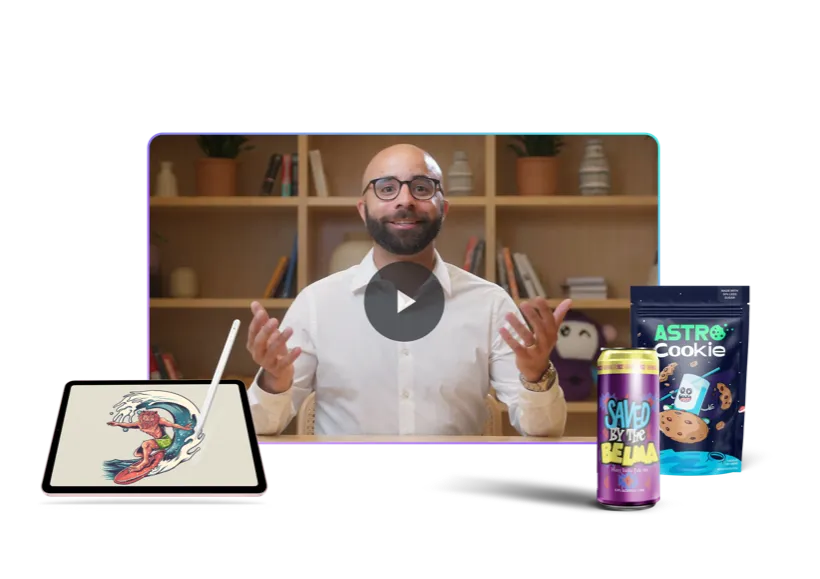
More than most businesses realize. A capable remote team covers the full spectrum of graphic design services: logo and brand identity, social media graphics, advertising creatives, email headers, pitch decks, packaging, and print materials. Scope isn’t usually the limitation. Speed and consistency are where most providers fall short.
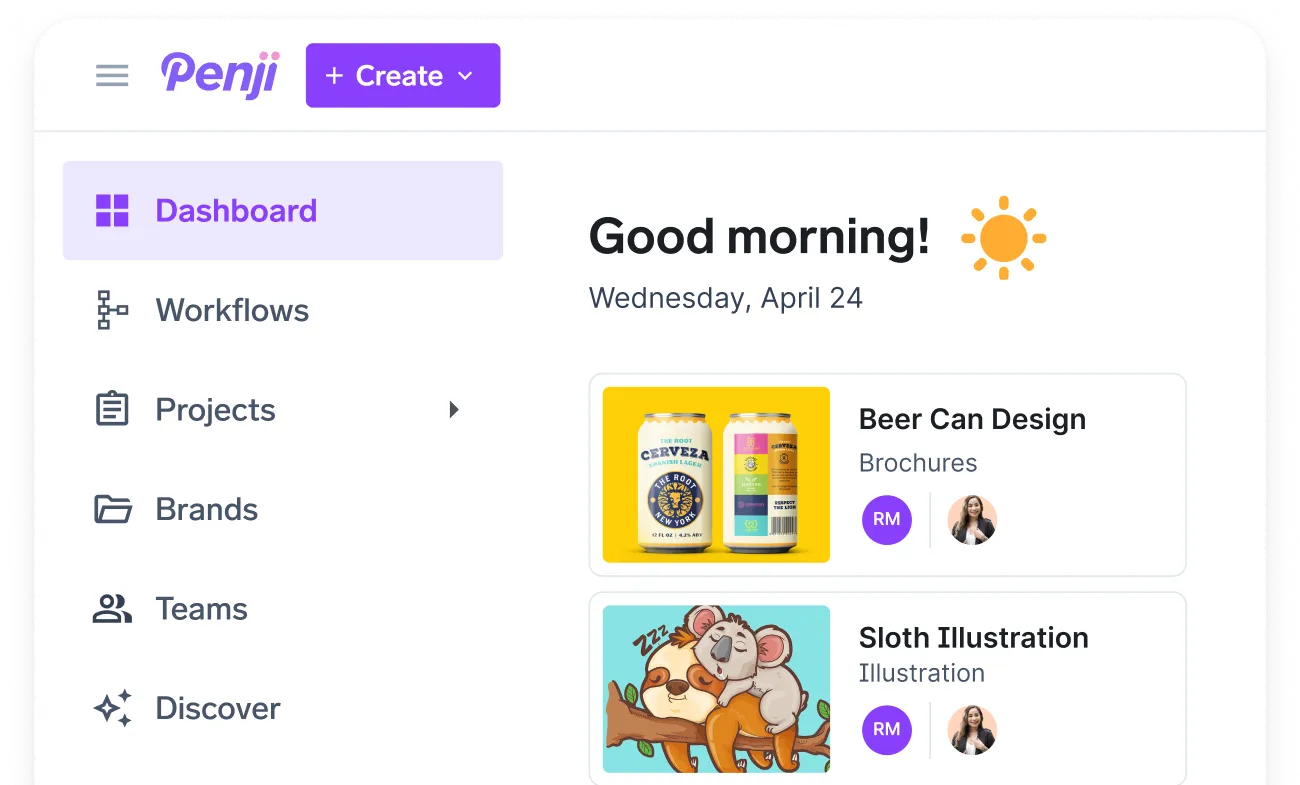
Penji’s remote graphic design team removes that problem from the equation. Requests go in through a clean project dashboard, a dedicated designer picks them up, and revisions happen until the work is right. There’s no per-project quoting, no freelancer hunting, and no inconsistency between one asset and the next. Every deliverable is production-ready and on-brand.
How Does a Remote Design Team Compare to Keeping It In-House?
In-house design works well when volume is high enough and the brand is complex enough to justify dedicated headcount. For most small to mid-size businesses, though, that threshold is harder to hit than it looks. A single designer can only handle so many active requests. Vacation, turnover, and skill gaps create bottlenecks that slow campaigns down.
A remote team sidesteps most of that. Hire graphic design team resources through a subscription model and output doesn’t hinge on one person’s availability. Penji’s outsourced graphic design model connects businesses with multiple designers across different specialties. Marketing teams stop waiting in line. Work moves faster because capacity isn’t a fixed ceiling.
What Should You Look for When You Choose a Remote Design Team?
Not every remote design service is built the same way. Before committing, it’s worth asking a few practical questions. How does the handoff work? Is communication async or real-time? What happens when a revision doesn’t land right? Those answers tell you whether a provider actually fits into how your team operates.
The best services offer a structured submission process, clear revision policies, and a dedicated point of contact. Outsource graphic design through a subscription and you also get predictable billing, which makes budgeting easier than hourly freelance arrangements.
Penji checks every one of those boxes. Businesses get a consistent designer who learns the brand over time, not a rotating cast of strangers starting from scratch on every project.
Is a Design Subscription the Right Model for Your Business?
A design subscription service isn’t for every situation. If design needs are infrequent and low-volume, a one-off freelancer may be the right call. For businesses producing regular marketing content, running active social channels, or building out a brand from the ground up, a subscription makes more sense both financially and operationally.
Penji’s flat monthly fee covers unlimited design requests across a wide range of deliverables. There are no surprise invoices, no revision surcharges, and no project minimums. You request what you need and a professional handles it. For businesses that need reliable graphic design services without the overhead of a full-time team, the subscription model removes nearly every friction point.
Choosing to hire a remote design team is one of the most practical decisions a growing business can make. The cost difference compared to in-house hiring is significant, the creative output can rival any internal team, and the operational lift is minimal when the right provider is in place.
Penji offers exactly that combination: a proven process, dedicated designers, and a pricing model that works at every stage of growth.
See what consistent, professional design looks like without the overhead. Explore Penji’s plans and find the right fit for your team.
Frequently Asked Questions
Costs depend heavily on the model. Freelancers typically charge $45 to $75 an hour for general graphic work, with specialists running higher. Design subscription services like Penji offer flat monthly pricing that covers unlimited requests, which makes budgeting far more predictable than hourly billing. For businesses with consistent volume, subscriptions almost always cost less over time than building out a freelance roster.
A well-resourced remote design team can handle almost any visual asset a business needs. Social media graphics, display ads, branded presentations, email headers, packaging mockups, and print materials are all common deliverables. Penji supports a wide range of design types under a single subscription, and clients can submit new requests as often as their plan allows.
A freelancer is typically one person with a specific skill set, available on their own schedule, and billing by the hour or project. A remote design team, especially through a subscription service, gives businesses access to a vetted group of designers, consistent output, and a predictable cost structure. The workflow is more reliable, communication is more structured, and there’s far less time spent sourcing and vetting new talent.
Turnaround depends on the provider and the complexity of the request. With Penji, most standard design requests are delivered within one to two business days. More complex projects like multi-page brand guides or animated assets may take a bit longer, but the timeline is communicated upfront so teams can plan accordingly.
About the author

Flore
Flore’s passionate about turning ideas into clear, useful content that connects with people and performs on search. From blog posts and landing pages to full content plans, her work is grounded in purpose and always aligned with a bigger picture.
Table of Contents
- Why Are So Many Businesses Choosing to Hire a Remote Design Team?
- What Can a Remote Design Team Handle?
- How Does a Remote Design Team Compare to Keeping It In-House?
- What Should You Look for When You Choose a Remote Design Team?
- Is a Design Subscription the Right Model for Your Business?
- Frequently Asked Questions