









TL;DR: A design brief is a document that contains details of the goals you have for a design project. Learn to master the design brief so that a designer can use your insights to make fantastic creative designs for your marketing for your brand.
Imagine you’re on a call with an architect and you need to tell them about your dream home. There’s no paper, you have no idea how they render homes, and you have to rush the call because if they do a good job, they might make your dream home but only using your words. You can already envision an architect’s drawing of your dream house. It’s nothing like you wanted. It just exists. Design is just like this. It needs something to work with to create better output.
Think about this, you’re a marketing manager with deadlines to juggle and campaigns that are piling up all over. Regardless of whether you’re using design freelancers or subscription services, do you know the best way to brief a designer? If you ask for something “cool”, not much will happen!
This article will change how you communicate with graphic designers. You’re going to learn what a design brief is, why it can be your team’s secret weapon, and you’re also going to “steal” a template for the perfect design brief.
What is a design brief and is it really necessary?

A design brief is one of the most underrated project management documents that will contain the strategies and details of creative design projects. It can be likened to the document that will get you the output you want if both parties stick to it.
Missing out on this document altogether or just writing one briefly just to avoid it will lead to headaches on your side.
99% of the time, you’re going to run into scope creep, unnecessary requests for revisions, and a whole lot of wasted time! It’s all about efficiency. You’d rather spend time writing the design brief in advance than spend hours countering the same messages about what is needed or not across several emails in a week.
Why do designers need a design brief?
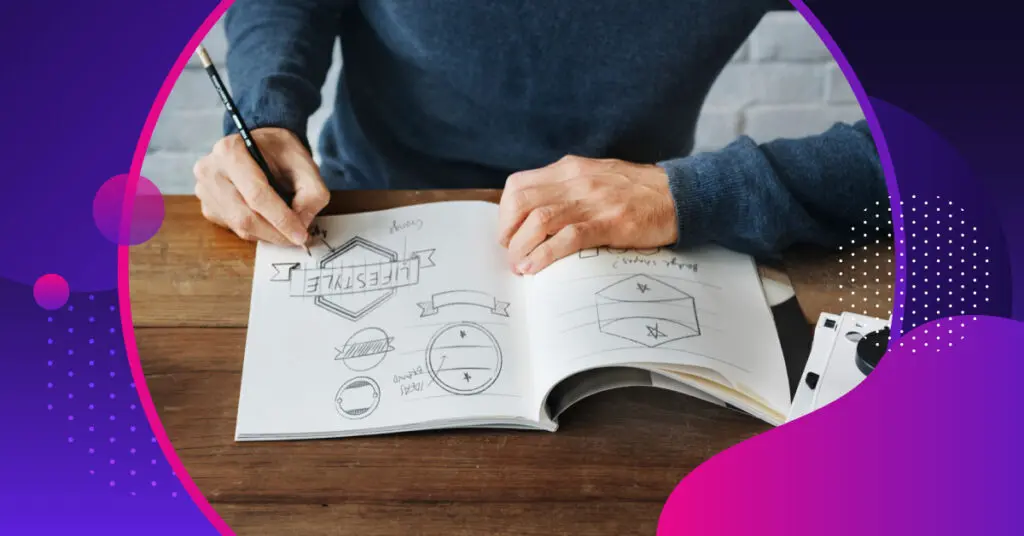
A designer is an artist and a problem solver. They’re not mind readers. A design brief helps them understand the rules of the problem they are solving.
- Aids Clarity: A designer needs clarity about projects. An ambiguous statement about what they have to do leaves far too much up to guessing and conjecture. The design brief would outline what they need to create and help them determine the best approach to producing it.
- Speedy Delivery: If you’re using on-demand graphic design services, you’re going to want efficiency at every point along the design process. With the brief, they won’t need to send emails requesting insight about basic elements of the project.
- Correct Interpretation: Their interpretation of the brief is not going to be something they think is dope but something that aligns with what you deem to be awesome and acceptable.
Who’s responsible for writing the design brief?
The stakeholders engaged in the project closest to the project would normally have to create the design brief. In most instances, this would mean account executives or project managers.
However, this does not have to be a solo assignment unless you want it under pressure. You can also rely on someone else in your team, as this shouldn’t be an isolated initiative.
If you’re using on-demand graphic design services, you could all meet for a quick kickoff call or chat with the designers. The aim? To come up with a statement that outlines what both parties are responsible for so they can conjure magic in a few days.
Design Briefing 101: The 8 Essential Elements of a Design Brief

Want to change the face of project management processes in your creative team? First, you have to create an effective frame for their creative thoughts so they can pour in ideas that will blow your mind!
These elements are vital! They will help you craft an effective design brief so they can take magic from your words and give you the best designs in record time!
1. High-level business/client overview
This section will require an overview of your business or brand. Or rather, how do you summarize why you exist? Who are you? And who do you want graphic designers to better understand?
- Tip: Tell them! Don’t give them long details about your history as a brand. Rather give them a vision of who you are.
2. Project context and objectives
This should outline the context of the project and what is required from it. You need to give context to the project by stating why you’re doing this now and what success would look like.
You should be setting realistic expectations for goals here in great detail.
- Example: “We’re looking to improve our clickthrough rates by 10%.”“We’re looking for something that looks more modern and excited than Competitor X”.
3. Project scope and overview
What project is it? This will enforce parameters and ensure that designers don’t try and produce something they shouldn’t have focused on.
Is it just an image? Do they need to provide an entire logo? Is it social media graphics?
4. Key deliverables
These will be files that need to be delivered at the conclusion of the project.
- Tip: List exactly what you’ll need as this guarantees an effective turnaround time so that you’re not frantically seeking documents right before launch.
- Example: .AI files (which will allow people using these files to edit) .JPGs or PDFs for high-resolution printing.
- Tip: This is also the section in which designers should get details about sizing specifications, so designs are properly positioned on platforms.
5. Design guidelines and standards
This should include links style guides for existing branding guidelines and standards around how logos are used, what fonts can be used etc.
- Tip: If they do not yet exist, when using graphic designer subscription services, provide visual examples of mood boards or potential executions of designs.
6. Competitor analysis
Not sure who your competitors are? Provide links to 1-2 individuals who could cost you your success as a company or product line. By doing this, graphic designers can glean the context around their designs.
7. Target audience
Who should be paying attention? State this by giving expectations around demographics and psychographics. Who would this project speak to? State anything from their common pain points to interests or reference groups.
- Example: “Someone who values speed above all else?”
8. Budget, resources, and timeline
These may not be required, depending on the on-demand graphic design services you use, but they do need context around timelines and resources.
- Tip: You may want to keep this information outside of the document but provide it anyway, as designers need an accurate estimate of how much time and resources to use.
- Tip: Be realistic – saying “as soon as possible” isn’t going to help them manage their time or yours!
Design Brief: Steal this Template
Don’t want to create this from scratch? Just “steal” this document template and fill it out with the details necessary for your specific project.
- Project Name: [insert]
- Company Overview: [1-2 sentences about what you do]
- Objective: [What is the goal? e.g., Brand awareness, sales]
- Target Audience: [Who is this for?]
- Deliverables: [What do you need from graphic designers]
- Competitors: [1-2 names/ links]
- Visual Inspiration: [Links to style guide or mood boards]
- Deadline: [Date and Time]
Design brief best practices: 5 steps to master the process
Creating a brief is an art form. Here is how to master it.
- Be specific, not prescriptive: Tell them the problem (“users can’t find the buy button”), not the solution (“make the button red”). Let the designer find the best visual solution.
- Use visual examples: “Make it pop” means nothing. “Make it bold like Nike’s latest ad” means something. Visuals bridge the gap between language and design.
- Keep it brief (literally): If it’s 10 pages long, no one will read it. Bullet points are your friend.
- Review it before sending: Read it from the perspective of someone who knows nothing about your company. Does it still make sense?
- Talk it through: Even with on-demand graphic design services, a 5-minute Loom video or call walking through the brief can prevent days of misunderstanding.
Final thought: A Design Brief may Take Time, but Good Design is Worth it
A great brief is an investment. It aligns your team, empowers your designer, and ensures the final product drives results. Don’t view the brief as paperwork; view it as the launchpad for creativity. When you communicate clearly, you unlock the full potential of your creative partners.
Experience design reinvented. Ready to put your new briefing skills to the test? Sign up for Penji today and experience on-demand graphic design services that actually understand what you need.
Boost your business with unlimited graphic design
Work with Penji design team who are experts in balancing graphic design elements





FAQs
How long should a design brief be?
It depends on the project size, but typically 1-2 pages is sufficient. It should be concise enough to be digestible but detailed enough to be useful.
Can I change the brief after the project starts?
Yes, but be aware that changes often impact timelines and costs. It’s best to be as thorough as possible upfront to minimize mid-project pivots.
What if I don’t know exactly what I want visually?
Focus on the feeling and the goal. Use adjectives (e.g., “trustworthy,” “energetic”) and provide examples of other brands you like. A good designer can translate abstract concepts into visuals.
Is a design brief necessary for small tasks?
Even for small tasks, a “mini-brief” (a few bullet points in an email or Slack message) is helpful. It clarifies expectations and confirms you and the designer are on the same page.
About the author

Je Ann Bacalso
Je Ann is a creative content writer who crafts engaging, SEO-friendly articles and web copy. With a passion for storytelling and a sharp eye for detail, she delivers clear, compelling content that connects with readers.
Table of Contents
- What is a design brief and is it really necessary?
- Why do designers need a design brief?
- Who’s responsible for writing the design brief?
- Design Briefing 101: The 8 Essential Elements of a Design Brief
- Design Brief: Steal this Template
- Design brief best practices: 5 steps to master the process
- Final thought: A Design Brief may Take Time, but Good Design is Worth it
- FAQs