









TL;DR: Weekly creative sprints give marketing teams a structured rhythm for producing design at scale. Paired with a graphic design subscription, the process runs faster, stays consistent, and keeps up with the pace of modern campaigns without burning through freelance budgets.
A weekly creative sprint is a structured, time-boxed cycle in which a marketing or creative team plans, produces, and reviews design assets within a seven-day window.
Running sprints with a graphic design subscription team removes the bottleneck of unpredictable capacity by giving teams access to unlimited design output, 24-to-48-hour turnaround, and a repeatable workflow that scales as campaign volume grows.
Marketing calendars don’t wait for anyone. A product launch drops, a campaign goes live, and suddenly the design queue is three weeks long with no clear path through it.
That’s where weekly creative sprints come in.
Borrowed from software development and adapted for creative production, the sprint model gives marketing teams a repeatable, structured approach to getting graphic design services output done on time and at volume.
This guide walks through exactly how to build that system, what to put in it, and why pairing it with a design subscription team makes the whole thing work.
What Is a Weekly Creative Sprint and Why Does It Work?
A creative sprint is a fixed weekly cycle in which a team defines what needs to be designed, submits those requests within a defined window, reviews completed work, and feeds feedback back into the next cycle.
It’s not a to-do list. It’s a system with a beginning, a middle, and an end that resets every seven days.
The reason it works is rhythm. When a team knows that Monday is brief day, Wednesday is first-draft review, and Friday is final approval, the guesswork disappears. Designers know what’s coming.
Stakeholders know when to show up. Nobody chases an update email at 11pm the night before a campaign goes live.
According to the Content Marketing Institute’s 2025 report, 74% of marketers say content marketing helped generate demand and leads. That pipeline only delivers results if creative output keeps pace.
A sprint structure makes that pace sustainable.
Graphic design subscription services are built for exactly this kind of workflow.
Unlike project-based arrangements that require new contracts with each request, a subscription model keeps the creative relationship ongoing, which means every sprint starts with context already in place.
Why Does a Design Subscription Team Make Sprints Run Better?
The sprint model only works if design capacity is reliable. That’s the catch with freelancers: availability isn’t guaranteed. One week the turnaround is 48 hours. The next week the freelancer is booked and the campaign stalls.
Graphic design services delivered through a subscription solve that at the root. With a flat monthly rate, a team submits as many requests as the sprint requires and gets work back within a predictable window.
No cap on volume, no per-asset invoice, no delay from scope negotiation.
On demand design services also let a team accelerate output during high-traffic periods, like product launches or seasonal promotions, without spinning up a new hiring process.
Penji’s unlimited graphic design services give marketing teams exactly that kind of elastic capacity, scaled to the sprint rather than to the invoice.
How Do You Set Up a Weekly Creative Sprint From Scratch?
Setting up a sprint doesn’t require a project management tool or a creative director. It requires a consistent schedule and clear ownership. Here’s a simple weekly structure that works for most marketing teams:
| Day | Action |
| Monday | Submit all new design requests with complete briefs |
| Tuesday–Wednesday | Designer produces first drafts; team reviews Wednesday |
| Thursday | Revisions submitted and completed |
| Friday | Final assets approved and filed for use |
A few things make this work in practice. Briefs need to be complete before Monday. That means copy, dimensions, brand assets, and reference examples are all included upfront. Incomplete briefs are the single biggest reason sprint cycles slip.
It also helps to assign one person on the marketing side as the sprint lead.
That person owns feedback consolidation, keeps revision rounds from multiplying, and makes sure the queue doesn’t sprawl past what the week can realistically absorb.
What Should Go Into a Weekly Sprint Backlog?
The sprint backlog is the list of design requests queued for the week. Building it well is what separates a functional sprint from a chaotic one. A well-organized backlog typically includes:
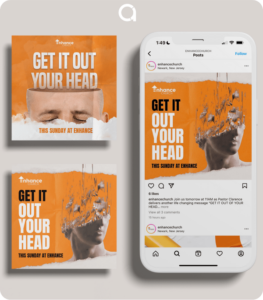
- Social media graphics, both static and animated
- Paid ad creative in all required sizes and formats
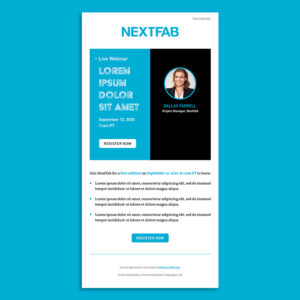
- Email headers and banner assets
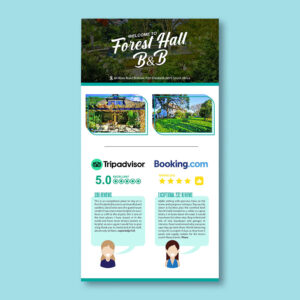
- Landing page visuals and hero images
- Presentation decks or sales materials
- Blog featured images and infographic drafts
Prioritize by launch date, not by request order. Anything tied to a campaign going live that week moves to the top. Everything else queues for the following sprint.
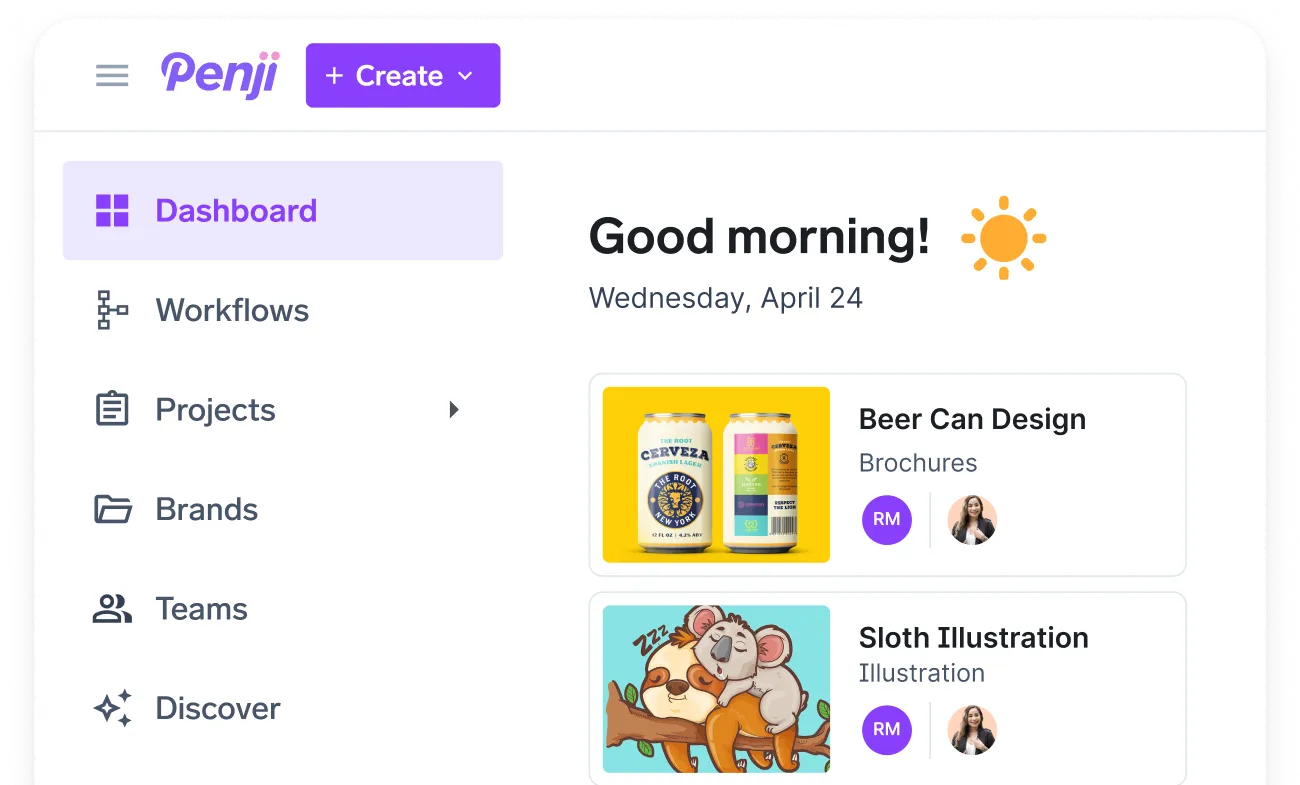
Design as a service platforms like Penji make backlog management straightforward. Requests are tracked in a single dashboard, so the sprint lead always knows what’s in progress, what’s in review, and what’s complete.
No chasing status updates, no guessing whether a revision landed.
How Do You Review and Improve Each Sprint Over Time?
A sprint review isn’t a critique session. It’s a short conversation at the end of each week that asks three questions: What shipped on time? What slipped and why? What needs to change in the next sprint?
Most teams find that the first two or three sprints surface the same patterns. Briefs arrive too late. Revision rounds multiply because too many stakeholders weigh in.
Certain asset types take longer than expected and weren’t given enough lead time.
Tracking these patterns across four to six weeks gives a team enough data to adjust. If social assets consistently run long, they get submitted earlier.
If email creative always requires three revision rounds, the brief template gets more specific. The sprint becomes a feedback loop, not just a production schedule.
Penji’s subscription model versus project-based design explains why an ongoing relationship supports this kind of iteration far better than a per-project arrangement.
Because the designer builds familiarity with the brand over time, revision rounds tend to shrink as sprints mature.
Professional design services by the world's top 2% designers
Unlimited graphic design at a flat monthly rate
A Creative Sprint Is a System, Not Just a Schedule
The businesses that get the most from a design subscription aren’t the ones that submit the most requests.
They’re the ones that submit organized, well-briefed requests on a consistent schedule.
Weekly creative sprints give marketing teams the structure to do exactly that, and the results show up in faster campaign launches, fewer revision cycles, and a creative operation that stays ahead of the calendar instead of chasing it.
Penji makes it straightforward to run that system from day one.
Browse plans at penji.co and see how a flat-rate graphic design services subscription fits into your team’s workflow.
Frequently Asked Questions
With a subscription model like Penji’s, there’s no hard limit on the number of requests a team can submit in a week. That said, most teams find that six to ten well-briefed requests per sprint is a practical working rhythm.
Submitting a high volume of incomplete briefs tends to slow the cycle down more than it speeds output up, so quality of briefing matters more than quantity of requests.
They tend to work especially well for smaller teams, because the structure removes the informal back-and-forth that usually creates delays.
When a one or two-person marketing team runs a weekly sprint with a design subscription, they get the output of a much larger creative function without the coordination overhead that normally comes with it.
A traditional workflow is request-driven: something comes up, a brief goes out, design comes back whenever it’s ready.
A sprint is schedule-driven: requests are batched, reviewed, and completed within a fixed weekly window. The sprint model produces more predictable output because it builds structure around the creative process rather than reacting to it one task at a time.
Most teams are up and running within the first week of a Penji subscription. Onboarding covers brand assets, style preferences, and communication preferences upfront, so the first sprint can begin with context already established. By week two or three, most teams have settled into a rhythm that holds.
About the author

Flore
Flore’s passionate about turning ideas into clear, useful content that connects with people and performs on search. From blog posts and landing pages to full content plans, her work is grounded in purpose and always aligned with a bigger picture.
Table of Contents
- What Is a Weekly Creative Sprint and Why Does It Work?
- Why Does a Design Subscription Team Make Sprints Run Better?
- How Do You Set Up a Weekly Creative Sprint From Scratch?
- What Should Go Into a Weekly Sprint Backlog?
- How Do You Review and Improve Each Sprint Over Time?
- A Creative Sprint Is a System, Not Just a Schedule
- Frequently Asked Questions