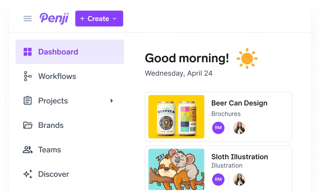









TL;DR: You can outsource graphic design work while keeping your brand consistent by creating detailed brand guidelines, choosing the right design partner, and establishing clear communication systems. Use tools like shared design systems, regular feedback loops, and approval workflows. Services like Penji offer unlimited designs with dedicated teams that learn your brand over time, making consistency easier than managing multiple freelancers. The key is being specific about your expectations upfront and building a relationship with designers who understand your vision.
How do you outsource graphic design without losing brand consistency?
Create comprehensive brand guidelines covering your logo usage, color palette, typography, imagery style, and tone. Choose a design partner that offers dedicated designers or teams rather than rotating freelancers. Use project management tools to centralize feedback and maintain a design library. Start with smaller projects to test alignment before committing to larger work. Services like Penji assign you dedicated designers who learn your brand, making it easier to maintain consistency across all projects.
Your brand is what sets you apart, and the last thing you want is for it to look different every time you release new marketing materials. When you outsource graphic design, you might worry that external designers won’t capture your brand’s personality or that each project will look like it came from a different company.
Losing brand consistency isn’t inevitable when you work with outside designers. Companies successfully outsource their design work every day while maintaining tight brand standards, and you can too. The secret isn’t keeping everything in-house or micromanaging every pixel. It’s about setting clear expectations from the start, choosing partners who value consistency as much as you do, and building systems that make it easy for designers to get your brand right every single time.
Whether you’re a startup trying to scale without hiring full-time designers or an established business looking to handle overflow work, this guide shows you exactly how to maintain your brand identity while getting the design help you need.
Why Is Brand Consistency Important When You Outsource?
Your customers should recognize your brand instantly, whether they’re seeing a social media post, an email newsletter, or a billboard. When your visuals are all over the place, people don’t know what to expect from you, and that uncertainty makes them less likely to trust your business.
Building Recognition and Trust
Consistent branding makes you memorable. When someone sees your signature colors or design style, they should immediately think of your company. If every piece of marketing looks different, you’re essentially starting from zero each time because nothing reinforces the previous impression. Working with graphic design services that understand brand consistency helps you build this recognition faster.
Maintaining Professional Credibility
Inconsistent design makes even great companies look amateur or disorganized. If your Instagram posts have one look, your website has another, and your email campaigns use completely different fonts and colors, people wonder if you’re running a professional operation. Visual consistency signals that you pay attention to details and care about quality.
Protecting Your Investment
You’ve already spent time and money developing your brand identity. Every off-brand design dilutes that investment and confuses your audience about who you really are. When you outsource graphic design services properly, you protect the brand equity you’ve already built while still getting the professional help you need to scale.
What Should You Include in Your Brand Guidelines?

Think of brand guidelines as a rulebook that helps any designer create work that looks authentically yours. The more detailed you are, the easier it becomes for outside designers to nail your style.
Visual Identity Basics
Your guidelines need your exact logo files in different formats (horizontal, vertical, icon versions) along with clear rules about minimum sizes, spacing around the logo, and what not to do with it. Include your complete color palette with specific codes (hex for web, CMYK for print, RGB for digital), not just “blue” or “red.” List your primary and secondary typefaces with examples of how to use each one.
Design: Photography and Imagery Style
Show examples of images that fit your brand and ones that don’t. Are you bright and energetic or sophisticated and minimal? Do you use illustrations, photos, or both? What kind of people appear in your visuals? Getting specific about imagery style prevents designers from choosing stock photos that clash with your brand personality. Check out why Penji works well for maintaining these visual standards across projects.
Value: Tone and Messaging Guidelines
Design isn’t just visuals. Your written content has a voice too, and designers need to understand it when creating graphics with text. Are you friendly and casual or formal and authoritative? Do you use humor or stay serious? Share examples of good and bad messaging so designers can choose appropriate design directions.
Marketing: Real Examples
Include actual examples of designs done right. Show social media posts, ads, presentations, and other materials that perfectly capture your brand. These real-world examples help designers understand how all the guidelines come together in practice.
How Do You Choose the Right Design Partner?

Not all design services handle consistency the same way. Some factors matter more than others when your priority is maintaining brand standards.
Dedicated Designers vs. Rotating Freelancers
Working with a different designer on every project makes consistency nearly impossible. Each person interprets your guidelines slightly differently, and you spend time explaining the same things over and over. Look for services that assign you dedicated designers who get to know your brand deeply. On demand graphic design services like Penji give you the same design team for all your projects, so they learn your preferences and deliver consistent work without constant re-explanation.
Portfolio Review
Check if potential partners have experience maintaining brand consistency across multiple projects for the same client. Ask to see before-and-after examples showing how they adapted to different brand guidelines. Designers who’ve worked on long-term client relationships understand the importance of consistency better than those who only do one-off projects.
Revision and Feedback Process
Good design partners have structured systems for revisions that let you refine work until it matches your standards. Unlimited revision policies give you the safety net to get designs exactly right. Services offering unlimited revisions, like what you’ll find with design as a service models, remove the pressure of accepting work that’s close but not quite perfect.
Communication Style
Pay attention to how partners communicate during your initial conversations. Do they ask detailed questions about your brand? Do they want to understand your business goals, not just execute tasks? Designers who care about your bigger picture naturally create more consistent, strategic work.
What Tools Help Maintain Consistency?
The right tools make it easier for everyone to stay on the same page about your brand standards.
Centralized Brand Asset Libraries
Keep all your brand assets (logos, fonts, templates, approved imagery) in one shared location like Dropbox, Google Drive, or a dedicated brand management platform. When designers can access the correct files anytime, they won’t accidentally use outdated logos or wrong color codes. Include your complete brand guidelines document right alongside these assets.
Design Systems and Templates
Create templates for your most common design needs: social media graphics, presentation decks, one-pagers, email headers. Templates with your fonts, colors, and layouts pre-loaded make it almost impossible to create off-brand work. Your design partner can use these as starting points and customize the content while keeping the structure consistent. Many businesses find that graphic design service subscriptions help them build and maintain these template libraries over time.
Project Management Platforms
Tools like Asana, Monday.com, or Trello keep all project communication, feedback, and file versions in one place. You can reference previous projects when explaining what you want, and designers can look back at past feedback to understand your preferences. This history becomes a secondary set of guidelines that evolves as your brand does.
Approval Workflows
Set up clear approval processes so the right people review designs before they go live. This might mean your marketing manager checks all social content and your CEO approves anything customer-facing. Having consistent reviewers helps catch brand inconsistencies before they reach your audience.
How Can You Monitor Design Quality Over Time?
Getting consistency right once isn’t enough. You need systems to maintain standards as you outsource graphic design work long-term.
Regular Brand Audits
Every few months, look at all the designs you’ve published and check if they still feel cohesive. As you work with designers more, subtle shifts can happen where things slowly drift off-brand. Catching small issues early prevents them from becoming big problems. During audits, update your brand guidelines if you notice questions coming up repeatedly.
Feedback Patterns
If you find yourself giving the same feedback on multiple projects, your guidelines probably need more detail on that topic. Each piece of repeated feedback is a clue about what’s missing from your documentation. Add those clarifications to your brand guide so future projects start closer to perfect.
Designer Training and Onboarding
When you bring new designers onto your projects, invest time in proper onboarding. Walk them through your brand guidelines, show them your best work, and explain the reasoning behind your design choices. This upfront investment pays off in fewer revisions and more consistent results. Services like unlimited design services often handle this training internally, which is one less thing you need to manage.
Building Long-Term Relationships
The longer you work with the same design team, the better they understand your brand instincts. They start anticipating what you’ll want and need fewer explanations over time. This is where subscription models really shine compared to project-based freelancing, because you’re building institutional knowledge rather than starting fresh with each project. You can explore how outsourced graphic design services maintain these long-term partnerships.
Boost your business with unlimited graphic design
Try Penji risk-free for 30 days & get unlimited custom designs








What Are Common Brand Consistency Mistakes to Avoid?
Even with good intentions, businesses make predictable mistakes when they start working with external designers. Knowing what to watch for helps you avoid these pitfalls.
Skipping the Guidelines Document
Some businesses think they can explain their brand verbally or assume designers will “just get it” from looking at existing work. This never works. Without written guidelines, you’ll get different interpretations every time, and you can’t hold designers accountable to standards you never documented. Creating comprehensive guidelines upfront saves countless hours of revisions down the line.
Working with Too Many Different Designers
Spreading your work across multiple freelancers or agencies might seem like it gives you more options, but it guarantees inconsistency. Each designer brings their own style and interpretation to your brand. When you outsource graphic design projects, consolidating with one trusted partner who assigns dedicated team members makes maintaining consistency dramatically easier.
Not Providing Enough Feedback
Some business owners worry about being too picky or demanding, so they accept designs that are “close enough” rather than asking for revisions. This gradually lets your brand standards slip until nothing looks cohesive anymore. Good design partners expect and welcome detailed feedback because it helps them understand your brand better. Don’t settle for almost-right when you can get exactly what you need.
Forgetting to Update Guidelines
Your brand will evolve, and your guidelines need to evolve with it. If you launch a new product line with different visual treatment or refresh your logo, update your documentation immediately. Using outdated guidelines guarantees confusion and inconsistent results.
How Does Penji Help Maintain Brand Consistency?

Penji’s subscription model is specifically designed to solve the consistency challenges that come with outsourcing design work. You get unlimited design requests with dedicated designers who become intimately familiar with your brand over time.
Unlike platforms where you get random freelancers on each project, Penji assigns you a consistent team that learns your preferences, understands your industry, and starts delivering on-brand work with minimal direction. They maintain internal documentation about your brand standards alongside your official guidelines, noting preferences you might not even realize you have.
The unlimited revision policy means you never have to compromise on brand consistency because of budget concerns. You can refine each design until it perfectly matches your standards without watching hourly costs add up. For businesses serious about maintaining their brand identity while scaling design output, this combination of dedicated designers, unlimited revisions, and flat pricing removes the main barriers to consistency. Learn more about outsource graphic design projects with Penji’s proven system.
Conclusion
When you outsource graphic design work, brand consistency doesn’t have to be a casualty. The companies that maintain strong brands while working with external designers all do the same things: they create detailed guidelines, choose partners carefully, use the right tools, and build long-term relationships instead of treating design as a series of one-off transactions.
Your brand is too valuable to let it become inconsistent just because you’re working with outside help. With clear communication, the right systems, and design partners who understand the importance of consistency, you can scale your design output without diluting what makes your brand recognizable and trusted. The key is being intentional about the process from the start rather than hoping things will naturally stay consistent.
Whether you work with individual freelancers, agencies, or subscription services, protecting your brand consistency is possible when you make it a priority in how you select partners and structure your workflow.
Ready to Outsource Without Compromising Your Brand?
Penji gives you dedicated designers who learn your brand inside and out, making consistency automatic instead of a constant battle. With unlimited revisions and flat monthly pricing starting at $499, you can refine every design until it perfectly matches your brand standards without worrying about hourly rates adding up.
Thousands of businesses trust Penji to maintain their brand consistency across everything from social media graphics to complete marketing campaigns. See how easy it is to outsource graphic design work while keeping your brand intact. Try Penji risk-free and get your first on-brand design in 24-48 hours.
Frequently Asked Questions
What are the biggest risks when outsourcing design work?
The main risks are inconsistent brand presentation, miscommunication about project requirements, and designers who don’t understand your industry or audience. You can minimize these risks by creating thorough brand guidelines, starting with test projects, and choosing design partners with experience in your field. Working with established services rather than constantly switching between freelancers also reduces risk because you’re building a relationship where designers learn your preferences over time.
How detailed should brand guidelines be?
More detailed is always better when you’re working with external designers. At minimum, include your logo files and usage rules, complete color palette with exact codes, typography with font files, imagery style examples, and tone guidelines. Go deeper by showing real examples of good designs, explaining the reasoning behind brand choices, and covering common scenarios like social media posts, presentations, and marketing materials. The time you invest in detailed guidelines saves hours of revisions later.
Can you maintain consistency with multiple design partners?
You can, but it’s harder and requires more management on your end. If you use multiple partners, make sure they all have access to the same brand guidelines and asset library. Consider having one person on your team review all designs before publication to catch inconsistencies. Honestly though, consolidating your design work with one trusted partner makes consistency much easier because you’re not explaining your brand repeatedly to different people.
How long does it take for outsourced designers to understand your brand?
With good brand guidelines, designers should grasp your basics immediately. Getting the nuances and instinctively knowing what you’ll like takes longer, usually 3-5 projects or about a month of working together. This is why services offering unlimited projects with dedicated designers work so well for brand consistency. The designers get constant exposure to your brand instead of one project every few months, so they learn faster and remember better.
What’s the difference between outsourcing to freelancers vs. design services?
Freelancers work independently, so you manage the entire relationship, payment, and revisions yourself. If they’re unavailable or you’re unhappy, you start over with someone new who has to learn your brand from scratch. Design services provide teams with built-in backup, project management, and usually unlimited revisions. For brand consistency, services often work better because they can assign you dedicated designers while still having team support when needed. Plus, services typically have processes specifically designed to maintain consistency across all client work.
How do you handle brand evolution while outsourcing design?
Brands naturally evolve, and good design partners should support that growth rather than rigidly sticking to old guidelines. When you want to refresh your brand, work closely with your design team to document the changes clearly. Roll out updates gradually so you can test new directions before fully committing. Update your brand guidelines and asset libraries as soon as changes are approved. The key is being intentional about evolution versus letting your brand drift randomly because different designers are interpreting things differently.