









TLDR: Setting up a high-output creative ops system makes sure that your people, workflows, and tools all work together to speed up asset production. You can get rid of bottlenecks and always deliver on-brand creative work by using smart tools and unlimited design subscriptions.
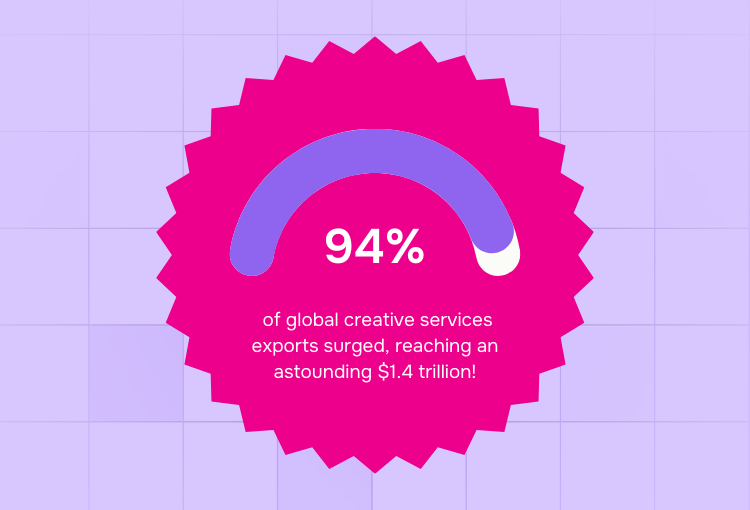
Did you know that global creative services exports recently jumped by 29% to reach an amazing $1.4 trillion? There is a huge need for smart, interesting brand assets. But is your creative team always dealing with missed deadlines, messy workflows, and results that aren’t always the same? You might need a high-output creative operations system to change the game.
You can speed up the delivery of your assets without the usual stress by strategically adding creative as a service to your daily routine. In this tutorial, we’ll show you how to build a high-output creative ops system step by step, from looking at your current workflows to adding the right tools and keeping track of your progress. Let’s look at how to build a base that lets your team reach its full potential.
What does a High-Output Creative Ops System do?

A creative operations system is a very organized framework that makes sure your people, workflows, and tools all work together smoothly. This infrastructure helps you be more creative while keeping your brand consistent.
It helps your teams make their whole process more efficient, work together better every day, and get high-quality creative assets to you faster. As the need for new marketing materials grows, it becomes harder to manage creative teams without a dedicated system, which can lead to burnout and inconsistent branding. A strong operations framework makes sure that your best ideas don’t get lost in a cluttered inbox.
Just getting to know this basic framework is the first step. Let’s look at why your team needs this structure right away to do well.
Why do Creative Teams Need a System that Works Well?

Creative teams often feel overwhelmed when there aren’t clear operational guardrails in place. Using a structured approach gets rid of common problems and speeds up your growth.
Pain Points Addressed:
- Missed deadlines because workflows were so slow and painful
- Team members are stressed out because they have too many hard tasks to do at once
- There is a big problem with how well the creative department works with other teams
- Your different projects send out different messages about your brand
Key Benefits:
- Shorter project turnaround times
- Better teamwork and clear communication
- Better understanding of workloads and resources that are available
- Making decisions based on data leads to better results more often
- Now that you know about these huge benefits, you can start making your own scalable framework
Step-by-Step Guide to Building a High-Output Creative Ops System
To get back in charge of your creative production and give your team the tools they need to do their best work, follow these five steps.
Step 1: Look at How you Currently Work
You can’t fix something if you don’t know how it works. Finding bottlenecks and inefficiencies is very important for making things better all the time. From the first request to the last delivery, write down how you currently work creatively. Get honest feedback from your team members so you can find out exactly where projects are stuck.
Step 2: Make Sure your Goals and Key Performance Indicators (KPIs) are Clear
Goals tell you where you want to go, and Key Performance Indicators (KPIs) show you how well you’re doing. Set clear and measurable goals, such as reducing your revision cycles by 20%. Look for key performance indicators (KPIs) such as the overall turnaround time, the balance of daily workload, and the rates at which campaigns are delivered.
Step 3: Make sure all workflows are the same
Everyone on the team can understand what’s going on better when things are consistent, and projects get done much faster. Make sure that the templates you use for creative briefs, getting feedback, and giving final approvals are all reliable. Clearly spell out each person’s job and the tasks they need to do at each stage of the production process.
Step 4: Get the Right Tools Ready
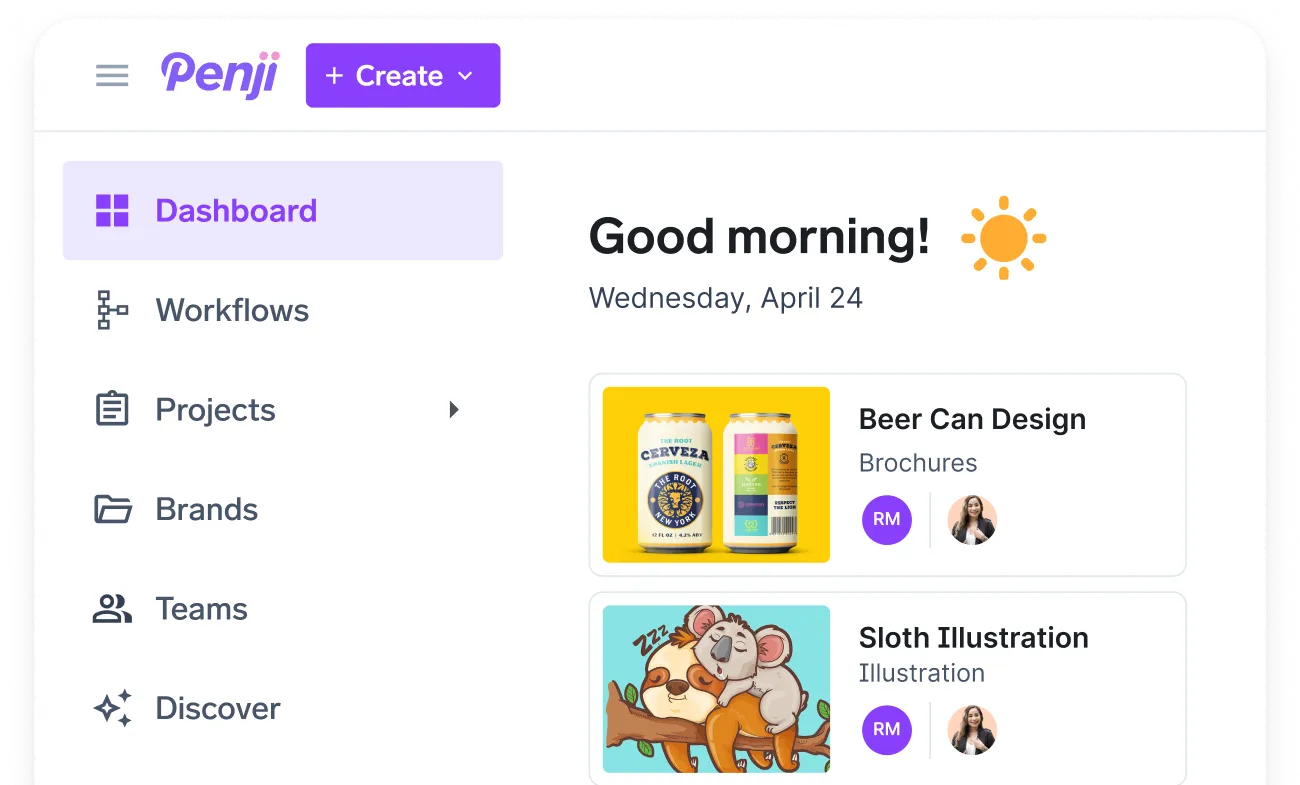
The right tech stack makes things that need to be done over and over again easier and faster. Compare how to handle your creative workflows with modern tools like Airtable, Jira, and Penji. For instance, a reliable graphic design subscription makes it easier to make assets because it has a flat-rate pricing model and quick turnarounds.
Step 5: Watch the Results and Change the Processes as Needed
With continuous improvement, your new system will always be able to meet the needs of your team. Use centralized dashboards to keep an eye on progress and find problems that aren’t obvious. Have regular retrospectives to get input from the team and make smart changes.
You will have a clear, useful plan after following these steps. Next, you need the right technology stack to power your new workflow.
Tools to Make Your Creative Ops System Work

Choosing the right software can turn a good workflow into a great one. When you build your stack, think about how big your team is, how they work every day, and what each project needs.
Here is a list of popular platforms that will quickly improve your daily operations:
Penji: The best way to increase your output. Penji is the perfect addition to your team because it offers high-quality graphic design services with no limits on requests and quick turnarounds.
Airtable: is great for managing projects that change and working together across departments.
Jira: Great for keeping track of tasks and planning out complicated workflows.
Slack: The best place for quick and easy communication between team members.
Adobe Creative Cloud: is the best program for advanced design and creative work in the business.
Giving your team these tools will help you solve a lot of logistical problems. You will still have to deal with some operational problems along the way, though.
Common Problems and How to Solve Them
Even the best systems have problems when they are put into place. Taking care of these common problems ahead of time will make your move go smoothly.
- Resistance to Change: Change can be scary. Get your team involved early in the planning process and make sure they know how great the new system will be.
- Finding the right balance between creativity and structure: Strict rules can sometimes stop big ideas from happening. Make your workflows flexible so that you can explore your creativity freely, especially when you work with outside design services.
- How to Lead Remote Teams: Distance makes it hard to talk to each other. Use tools like Slack and Penji to make sure your team can work together smoothly, no matter where they are.
Getting past these problems makes sure that your workflow is very productive. You need to keep a close eye on your performance over time to keep it that way.
Measuring the Success of Your Creative Ops System
Data makes creative management less of a guesswork. If you keep an eye on the right metrics, you can change direction quickly and grow with confidence.
Important Metrics to Keep an Eye On:
- Average turnaround time for assigned projects
- Total number of revision cycles per design
- Workload balance across your internal team
- On-time campaign delivery rates
Creative as a service often comes with built-in analytics and tracking for these exact metrics. A lot of revisions could mean that the creative briefs aren’t clear or that the expectations aren’t in line. Use this information to keep improving your intake forms.
Keeping track of these specific metrics makes sure that your process gets better over time.
Transform Your Workflow and Scale Your Output
The best way to get rid of chaos and always deliver amazing brand assets is to build a creative operations system that works well. Your team can finally focus on what they do best: making great work. To do this, you need to standardize your processes, keep track of the right data, and use new models like creative as a service.
Are you ready to make your creative processes as smooth as possible and get high-quality assets to you faster than ever? Try Penji today and see how a high-output creative ops system can change your whole brand for the better.
Frequently Asked Questions
The main goal of project management is to finish each campaign on time. Creative operations are in charge of the whole high-level system that makes those projects possible, such as the tools, intake processes, and team alignment.
Keep an eye on important numbers like shorter turnaround times, fewer revision cycles, lower freelance costs, and a general rise in the number of campaigns that are delivered on time.
Use standardized request forms and communication tools that are all in one place. This makes sure that all of the marketers, writers, and designers are working on the same project and have the same deadlines.
Some common problems are team members not wanting to use new software, finding a balance between creative freedom and strict rules, and making sure that everyone on the team works well together even if they are not in the same place.
Based on real data, keep improving your workflows. Use scalable solutions like unlimited design subscriptions and automated task assignments to deal with more work.
Keep an eye on the project’s turnaround time, workload distribution, number of design changes, and how often deadlines are missed.
About the author

Je Ann Bacalso
Je Ann is a creative content writer who crafts engaging, SEO-friendly articles and web copy. With a passion for storytelling and a sharp eye for detail, she delivers clear, compelling content that connects with readers.
Table of Contents
- What does a High-Output Creative Ops System do?
- Why do Creative Teams Need a System that Works Well?
- Step-by-Step Guide to Building a High-Output Creative Ops System
- Tools to Make Your Creative Ops System Work
- Common Problems and How to Solve Them
- Measuring the Success of Your Creative Ops System
- Transform Your Workflow and Scale Your Output
- Frequently Asked Questions