








TL;DR: Creative digital design services give businesses ongoing access to professional design work, from logos and social media graphics to pitch decks and web assets, without the unpredictability of hiring freelancers or managing an in-house team.
Most businesses need design work constantly. The branding refresh, the trade show banner, the social post that was somehow “urgent” yesterday, the landing page that’s been half-finished for three months. What they don’t always have is a reliable, affordable way to get it done.
That’s the problem creative digital design services were built to solve. Not as a one-time project, but as an ongoing relationship where the work just gets done.
What Do Creative Digital Design Services Actually Cover?
The term gets used loosely, so it’s worth being specific. Graphic design services in the traditional sense meant print: brochures, signage, packaging.
Digital changed the scope entirely. A creative digital design service today covers anything a business needs to look good online and off.
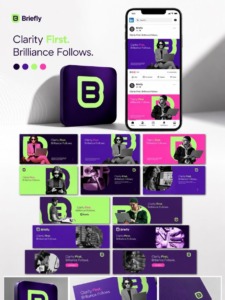
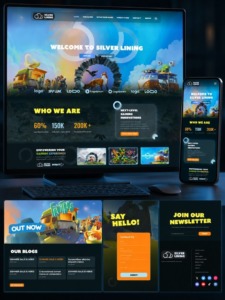
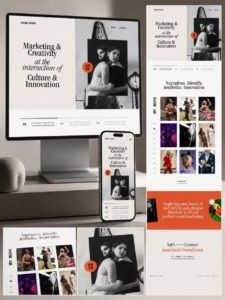
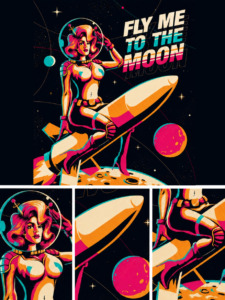
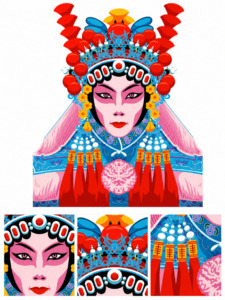
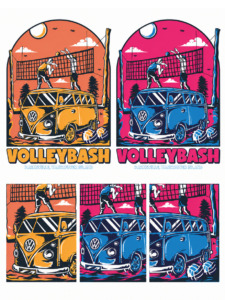
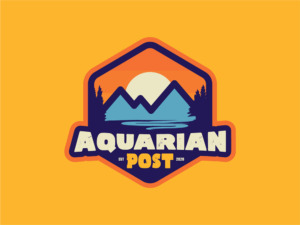
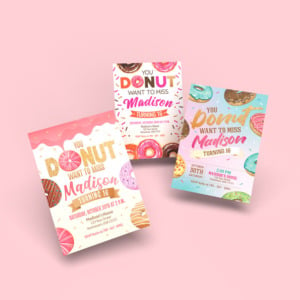
That includes logo design and brand identity, social media graphics across every platform, email marketing visuals, website and landing page assets, digital ads, presentation decks, infographics, and product mockups.
Some providers also handle motion graphics and video thumbnails. The deliverables vary, but the category is any visual asset a business uses to communicate with customers.
What separates a creative digital design service from a one-off freelancer isn’t just the breadth. It’s the consistency.
A freelancer delivers one project and moves on.
A service-based model means the same design standards apply to everything, whether it’s a LinkedIn post or a full brand guide.
How Is This Different From Hiring a Designer In-House?
A marketing director at a mid-size e-commerce company once described hiring her first in-house designer as “six months of interviews, a salary we had to justify every quarter, and still a backlog by month three.” It’s a common experience.
In-house designers are great. They’re also expensive, limited to one person’s skill set, and unavailable on vacation.
Design as a service flips the model. Instead of a full-time hire, companies pay a flat monthly fee and submit requests through a queue.
Revisions come back in one to two business days.
The team behind the work typically includes multiple designers with different specialties, so a social media request doesn’t compete with a brand kit overhaul for the same person’s time.
According to Intel Market Research, the global creative design services market was valued at $45.3 billion in 2025 and is projected to reach $72.9 billion by 2034.
That growth reflects something real: businesses across every sector are publishing more content, launching more campaigns, and managing more channels than they were a decade ago. The demand for design hasn’t slowed.
The budgets often have.
Get a design package with unlimited graphic design
Try Penji risk-free for 30 days & get unlimited custom designs
What Makes a Creative Design Service Worth the Monthly Cost?
Not all subscription design services operate the same way, and the differences matter. The things worth looking at: turnaround time, revision limits (or lack of them), file ownership, and the actual quality of output.
Turnaround is where a lot of providers undersell and underdeliver. A 24- to 48-hour window sounds fast until you realize it applies to simple requests, and complex projects get queued behind everything else.
Revision limits are the other place to watch.
Some services cap revisions at two or three per request, which sounds reasonable until a client needs to iterate six times to get a logo right.
File ownership is worth reading the fine print on. Some platforms retain rights to designs or require active subscriptions to access completed files. That’s a problem for any business building a brand identity it plans to use long-term.
Penji’s flat-rate graphic design subscription handles all of this. Clients keep full ownership of every file, revisions are unlimited, and the average turnaround is one to two business days.
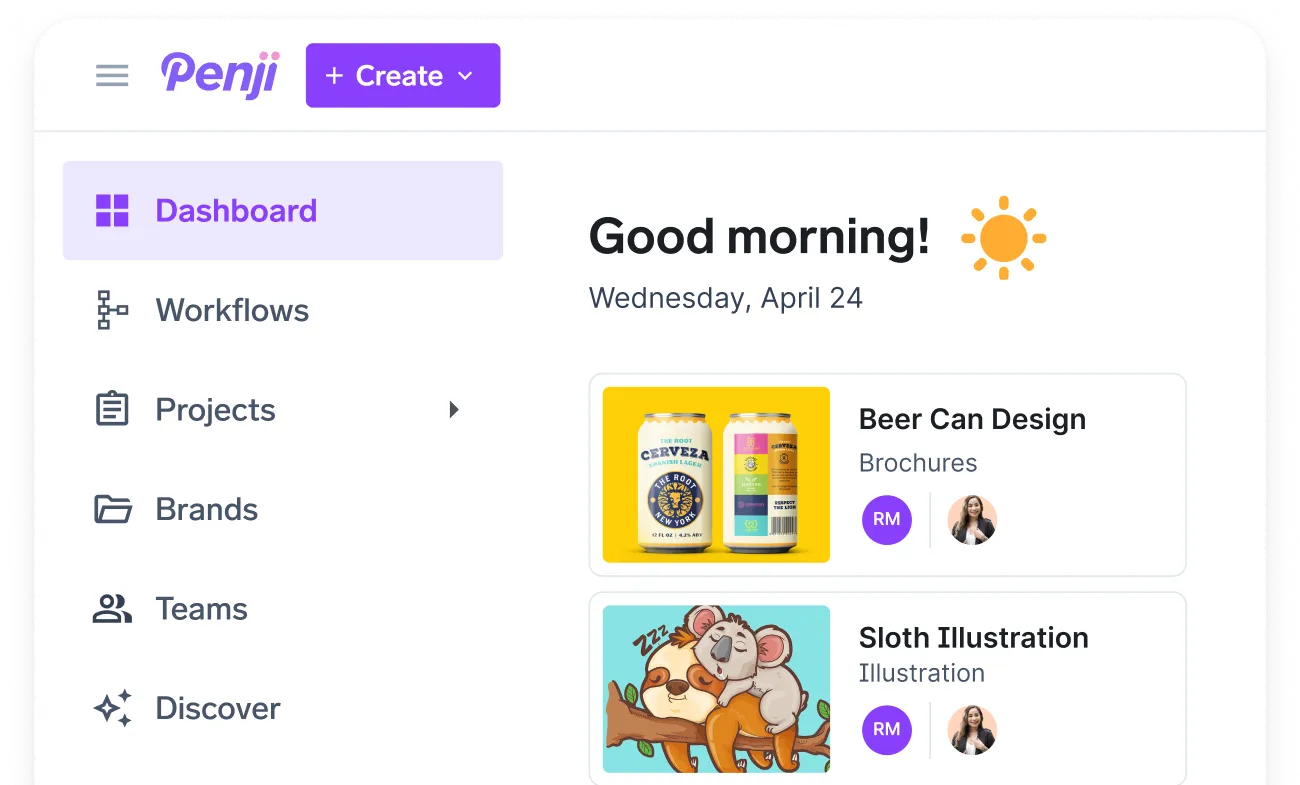
The Penji dashboard lets clients leave feedback directly on a design rather than writing long briefs or trying to describe changes over email.
Which Types of Businesses Get the Most Out of These Services?
The honest answer: most of them. But a few patterns come up consistently.
Startups and early-stage companies need brand-quality design before they can afford a full design team. A flat monthly rate for unlimited graphic design services makes professional output accessible at a stage when the alternative is Canva templates and crossed fingers.
Marketing agencies use subscription services to scale output without scaling headcount. When a campaign needs 40 social assets across three platforms, the queue model works better than scrambling for freelancers.
E-commerce brands with ongoing product releases and seasonal campaigns need design work that keeps pace with their publishing schedule. A digital design subscription covers that without the month-to-month budget uncertainty that comes with project-based pricing.
B2B companies presenting to clients and investors need pitch decks, one-pagers, and branded reports that look like they came from a real agency, not someone’s internal template. Digital design services built for business content handle that end of the work too.
How Do You Know When You’ve Outgrown DIY Design?
There’s usually a moment. A presentation to a major client where the deck looked amateurish. A social campaign that got engagement but the visuals embarrassed the team. A rebrand that stalled because no one had time to see it through.
DIY design tools are good for quick, low-stakes work. They stop being enough when design becomes a bottleneck, when brand consistency starts slipping across channels, or when the volume of requests is too high for any one person to manage alongside their actual job.
The best digital design services don’t just deliver files. They create a system where design requests get handled consistently, on time, without constant chasing. That’s the part that’s genuinely hard to replicate with a freelancer on retainer or a team member who designs “when they have time.”
Penji was built specifically for that gap. The Penji platform gives businesses a dedicated design team without the overhead, with a process that’s clear enough that a first-time request takes minutes to submit.
If you’ve been pushing design work to the back burner because it’s too complicated to organize, that’s a good place to start.
Frequently Asked Questions
What’s the difference between creative digital design services and traditional graphic design?
Traditional graphic design focused mainly on print materials like brochures, signage, and packaging. Creative digital design services cover the full range of assets a business needs across digital channels, including social media graphics, web assets, digital ads, email visuals, and more. The scope is broader, the formats are different, and the pace is faster because digital content cycles move much quicker than print production.
How much do creative digital design services typically cost?
Pricing varies widely depending on the model. Freelancers charge by project or hour, agencies charge retainer or project fees, and subscription services like Penji operate on a flat monthly rate. Subscription models tend to be the most cost-efficient for businesses with consistent, ongoing design needs because the cost doesn’t fluctuate with volume.
Can I use a creative design service for just one type of project?
Most subscription-based services don’t restrict the type of work you can submit. You can use the same plan for social media graphics one week and a pitch deck the next. The flexibility is one of the main reasons businesses switch from project-based freelancers to a subscription model.
Does Penji handle both digital and print design?
Yes. Penji covers over 100 design types, including both digital assets like social media graphics, web banners, and email visuals, and print materials like brochures, flyers, and business cards. The same subscription covers everything, so you’re not paying separately for different categories of work.
About the author

Flore
Flore’s passionate about turning ideas into clear, useful content that connects with people and performs on search. From blog posts and landing pages to full content plans, her work is grounded in purpose and always aligned with a bigger picture.
Table of Contents
- What Do Creative Digital Design Services Actually Cover?
- How Is This Different From Hiring a Designer In-House?
- What Makes a Creative Design Service Worth the Monthly Cost?
- Which Types of Businesses Get the Most Out of These Services?
- How Do You Know When You’ve Outgrown DIY Design?
- Frequently Asked Questions