








TL;DR: An e-commerce brand with growing traffic and flat sales partnered with Penji for a full brand and product page redesign. Within four months, conversion rates climbed 35% and the brand finally had a design system it could scale.
Penji helped an e-commerce brand raise conversion rates by 35% by rebuilding its visual identity, redesigning product pages, and creating consistent graphics across every sales channel.
The brand replaced a patchwork of freelancers with Penji’s flat-rate design subscription and a dedicated team that turned requests around in one to two days.
Most e-commerce founders don’t realize their visual design is costing them sales until the numbers force the conversation.
That’s where this story starts. A growing home and lifestyle brand came to Penji with healthy traffic, a product line people liked, and a conversion rate that refused to move. Four months later, conversions were up 35%.
This case study breaks down what the brand was struggling with, why it chose Penji, and how a focused redesign changed its results.
What Problem Was the Brand Trying to Solve?
The store had been live for a little over two years, and in that time its design had passed through three freelancers and one short-lived agency.
The homepage said one thing. The product pages said another. Instagram looked like a third company entirely.
Shoppers noticed, even if they couldn’t name what felt off. Stanford’s web credibility research found that about 46% of consumers judge a website’s credibility partly on its visual design, and this store was losing that judgment on every visit.
The team also had no usable source files from past designers, so every small update started from scratch. It’s a common pattern in graphic design for e-commerce: the business grows faster than the patchwork that got it started.
What Did the Client Want to Achieve?
Three things, in order. First, a single visual identity that worked across the store, email, and paid social.
Second, a faster production pipeline, because the marketing calendar had outgrown what one freelancer could deliver.
Third, a measurable lift in conversions before the holiday season, when the brand does close to half its annual revenue.
The founder was blunt about the deadline. The refresh had to ship in under five months or wait a full year.
Why Was Penji Selected?
The brand weighed Penji against hiring an in-house designer and signing with a boutique agency. Penji won on math and on speed.
A flat monthly subscription covered unlimited design requests with a dedicated team, which made budgeting predictable in a way hourly freelance work never was.
The design as a service model also meant work could start within days instead of after a six-week agency onboarding.
And since Penji runs month to month, the brand could cancel if the work didn’t land. For a deeper look at how the model suits online stores, Penji has a full breakdown of why subscription design works for e-commerce brands.
How Did Penji Approach the Visual Design Overhaul?
Penji’s team started with a brand audit, pulling every live asset into one document so the inconsistencies sat side by side.
From there, the designers rebuilt the foundations: refined logo, tighter color palette, typography rules, and a set of guidelines the marketing team could hand to anyone.
If you’ve never seen one, Penji keeps examples of brand guidelines on its blog.
The second phase moved to the store itself. Product pages got new photography direction, cleaner layout templates, and trust elements placed where shoppers tend to hesitate.
The team also built an e-commerce creative system, a library of reusable templates for email headers, ads, and social posts, so new campaigns no longer began with a blank file.
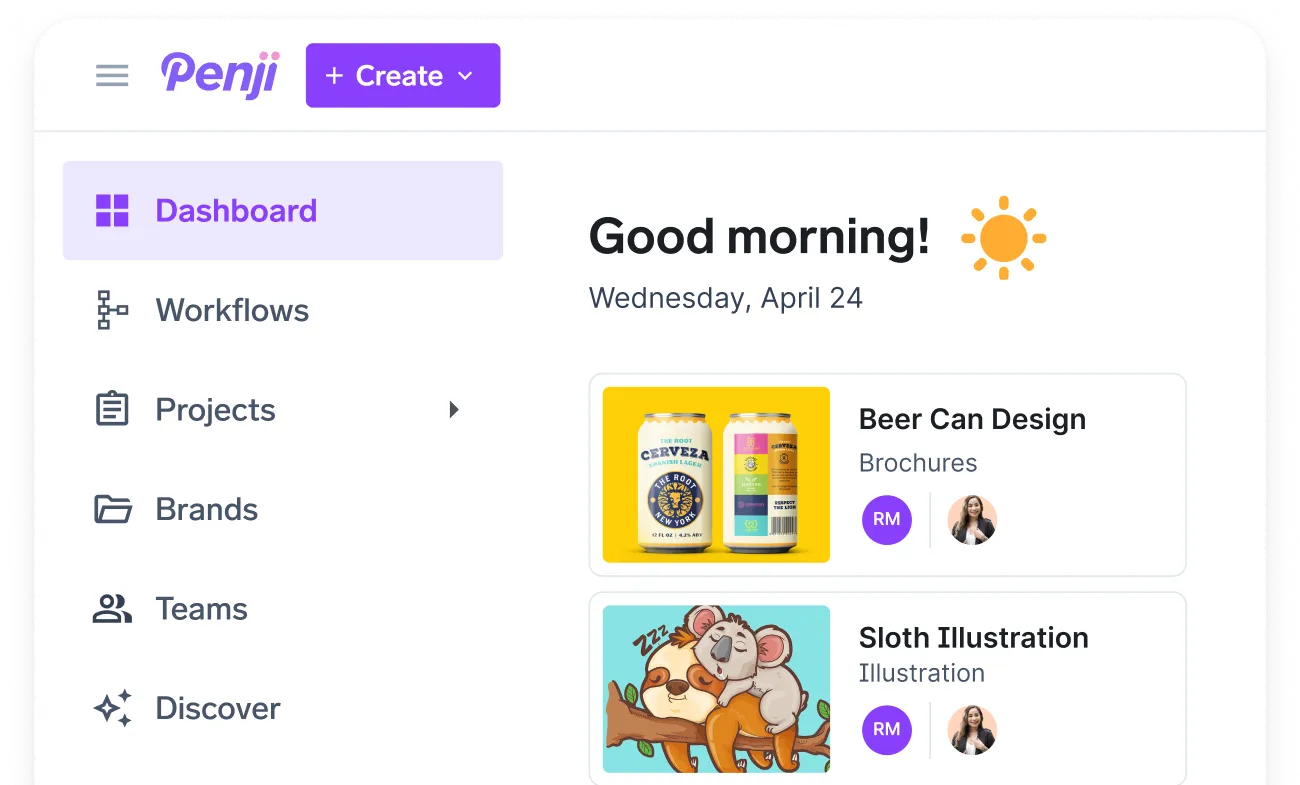
Day to day, everything ran through Penji’s graphic design services dashboard. The marketing lead submitted requests, left feedback directly on the designs, and got most revisions back within 24 hours.
Brand design services and campaign graphics moved in parallel instead of queuing behind each other.
What Results Did the Brand See?
The redesigned store launched in week 14, well ahead of the five-month deadline. Over the following two months, conversion rates climbed 35% against the prior period.
Bounce rate on product pages dropped and email click-through improved once templates matched the new identity, though the conversion number is the one the founder quotes.
Just as useful, the brand now owns every source file and every template. When a new product line launched the next quarter, the creative was ready in a week instead of the month it used to take.
This case follows a pattern Penji sees often. The brand didn’t need more traffic. It needed visual design that matched the quality of its products, applied consistently everywhere a shopper might look.
A flat-rate subscription made the overhaul affordable, and a dedicated team made it fast. The 35% lift wasn’t magic, it was the gap between how the brand looked and how it deserved to look, finally closed.
Curious what a redesign like this could look like for your store? Browse Penji’s client work to see real projects, or start a subscription and have your first designs back within a day or two.
Frequently Asked Questions
It depends on scope, but most brands see foundational work like logo refinements and brand guidelines within the first two to three weeks. The brand in this case study launched its full redesign in 14 weeks. Since requests turn around in one to two days, the timeline mostly comes down to how quickly the client reviews and approves.
Yes. The subscription model was made for teams without in-house designers, and plans scale with output rather than company size. A solo founder submits requests through the same dashboard a 50-person brand uses, with the same turnaround.
Plans cover branding, web and product page design, social media graphics, email assets, ads, packaging, and illustrations, among other categories. Requests are unlimited, so a store can run a rebrand and weekly campaign graphics alongside each other.
About the author

Flore
Flore’s passionate about turning ideas into clear, useful content that connects with people and performs on search. From blog posts and landing pages to full content plans, her work is grounded in purpose and always aligned with a bigger picture.