








TL;DR: Vertical design is transforming how brands connect on TikTok, Instagram Reels, and YouTube Shorts. Prioritizing mobile-first, 9:16 content helps capture attention instantly. Businesses leverage this trend to boost engagement, build awareness, and drive conversions.
Are you struggling to create short-form content that actually stands out? You are not alone. Many marketers and businesses face the challenge of limited resources when trying to produce high-quality vertical videos. You want to capture your audience quickly. You need your content to look professional and engaging.
This is where professional brand design services step in. Utilizing expert designers helps you create mobile-first content without the overhead of hiring a full-time team. You get to focus on strategy while experts handle the visuals.
Throughout this guide, you will learn exactly how to use vertical video to scale your brand. We will cover the best practices for the major platforms, the tools you need, and how to track your success. Let us explore why this specific design format is completely changing the marketing landscape.
Why is Vertical Design taking over Branding?

What is vertical design?
Vertical design refers to content created specifically for mobile-first viewing. It uses a 9:16 aspect ratio. This perfectly fits the screen of a modern smartphone.
You no longer need to ask users to turn their phones sideways. Instead, the content fills their entire screen organically. This format dominates TikTok, Instagram Reels, and YouTube Shorts.
Why vertical design works for branding
Mobile screens command our attention. When your video fills that entire screen, distractions disappear. This leads to significantly higher engagement rates.
Vertical videos are great for telling stories with pictures that really draw you in. It only takes a few seconds to get your brand message across.
Now that you know how powerful the 9:16 ratio is, let’s look at the sites that make it so popular.
What are the most popular platforms for vertical video?
TikTok

TikTok changed the way we watch and listen to the media. More than 1.12 billion people use the platform every month. Statista says that TikTok content makes up 35% of all ad impressions.
The audience is mostly younger, but the demographics are growing quickly. Realness and trends, not highly polished corporate ads, are what make campaigns on TikTok work.
Instagram Reels

Instagram Reels fits short videos into the Instagram ecosystem without any problems. Reels help you reach even more people if your brand already has an Instagram following.
Reels also offer powerful shoppable features. This makes it incredibly easy for e-commerce brands to drive direct sales right from a video.
YouTube Shorts

YouTube Shorts brings the power of Google’s search algorithm to short-form video. Shorts generate over 50 billion daily views. They account for 27% of impressions on the platform.
Because YouTube acts as a search engine, your vertical videos have a much longer shelf life. They also offer excellent monetization opportunities for creators and brands.
Understanding the platforms is only half the battle. Next, you need to know how to optimize your content for them.
How do you build a winning vertical video strategy with brand design services?

Keep it short and engaging
Attention spans are shorter than ever. The optimal video length for TikTok, Reels, and Shorts is between 15 and 60 seconds.
You have to get people’s attention in the first three seconds. Begin with a strong image or a question that makes people want to know more.
Design for silent viewing
A lot of people look at social media with the sound off. It’s very important to design for silent viewing.
Use clear visual storytelling and bold captions. Tools that automatically add captions can help make your vertical videos available to everyone.
Leverage AI and automation
Making a lot of content can use up your resources. AI tools can do things like edit videos, add captions, and make them more personal.
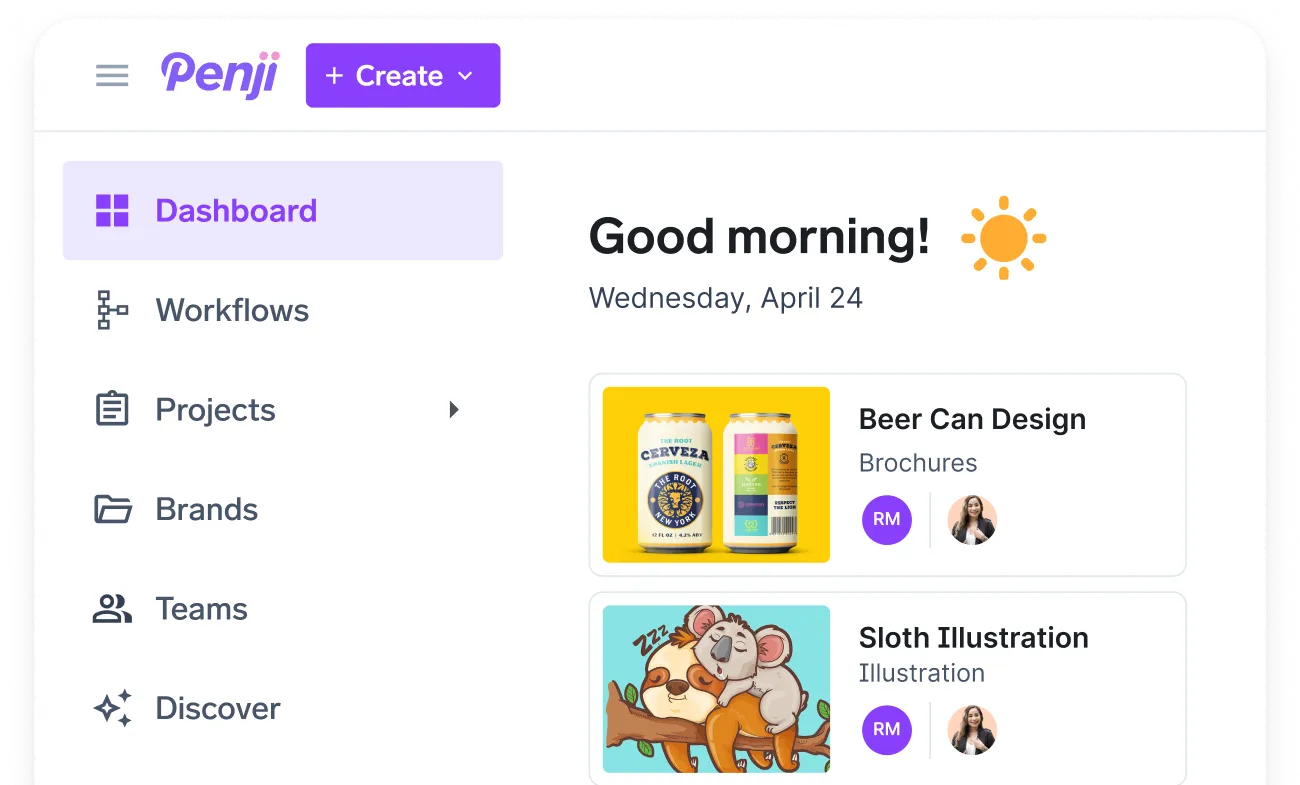
If you don’t have enough time or resources in-house, you might want to think about using full-service video design. It’s easy to hire someone else to do the hard work. Platforms like Penji offer design as a service, which means you can get as many graphics and animations as you want for a flat monthly fee. This makes sure that your visuals always match your brand.
Want to learn more about making content? Read our guide on how to make short videos that people will want to watch. You can also look at our Best Practices for Branding on Social Media.
You need to know if your content is working once it’s live. Let’s talk about how to keep track of your results.
How do you measure short-form video ROI?
Key metrics to track
Creating videos takes effort, so measuring your return on investment is critical. An impressive 87% of marketers report satisfaction with their video marketing ROI.
To ensure you hit your goals, track these essential metrics:
- Engagement rates (likes, comments, shares)
- Click-through rates (CTR)
- Audience retention (how long they watch)
- Conversions and direct sales
Case studies: Brands that nailed vertical design
Brands across the globe are driving massive growth through social media design services and short-form video. Companies that prioritize mobile-first content consistently see lower customer acquisition costs. They adapt their messaging natively to TikTok, Reels, and Shorts, resulting in highly profitable campaigns.
With your tracking mechanisms in place, it is time to look ahead at what comes next for mobile content.
What does the future hold for vertical video?
Emerging trends in short-form video
The vertical video landscape moves incredibly fast. AI-powered editing is becoming the standard. We are also seeing a rapid rise in AR/VR integration within short-form content.
Brands are adopting cross-platform strategies for omnichannel marketing. They create one core video and optimize it slightly for TikTok, Reels, and Shorts.
Ready to elevate your vertical video strategy?
Growing your brand requires moving quickly and adapting to where your audience spends their time. Vertical video is no longer a secondary option; it is a primary marketing channel. By prioritizing a 9:16 aspect ratio, keeping content short, and optimizing for silent viewing, you will instantly boost your engagement.
Do not let a lack of resources hold you back from dominating TikTok, Reels, and Shorts. Leveraging professional brand design services ensures your company looks innovative and authoritative on every platform.
See what design will be like in the future today. With our flat-rate, unlimited design subscription, you can see how Penji can change your visual content.
Get a design package with unlimited graphic design
Try Penji risk-free for 30 days and get all your design projects done







Frequently Asked Questions
Vertical design is content made for mobile devices that is 9:16 in size. It is important because it takes up the whole screen of the user’s smartphone, which cuts down on distractions and keeps them interested.
Businesses can use TikTok by making short videos that are real and follow trends. It is a great way to get people to know about your brand and connect with a younger, more involved group of people.
Your Reels should be between 15 and 60 seconds long. If you sell things, use Instagram’s shoppable features. If you don’t, use on-screen captions to keep people interested in the first three seconds.
Penji offers design as a service on demand. You can get custom graphics, ad creatives, and visual assets for your videos without having to hire a full-time designer.
The hook rate (views past the first 3 seconds), average watch time, share rate, and overall engagement percentage are the most important numbers.
About the author

Je Ann Bacalso
Je Ann is a creative content writer who crafts engaging, SEO-friendly articles and web copy. With a passion for storytelling and a sharp eye for detail, she delivers clear, compelling content that connects with readers.
Table of Contents
- Why is Vertical Design taking over Branding?
- What are the most popular platforms for vertical video?
- How do you build a winning vertical video strategy with brand design services?
- How do you measure short-form video ROI?
- What does the future hold for vertical video?
- Ready to elevate your vertical video strategy?
- Frequently Asked Questions