









TL;DR: Graphic design trends for 2026 are pushing boundaries with AI-generated visuals, maximalist chaos, and nostalgic Y2K aesthetics. Expect to see more 3D typography, anti-design movements, and sustainable branding as designers blend tech innovation with human creativity. Whether you’re refreshing your brand or planning campaigns, staying ahead of these trends keeps your visuals relevant and engaging.
The top graphic design trends for 2026 include AI-assisted design tools, maximalist layouts with bold colors, 3D typography and immersive visuals, Y2K nostalgia with futuristic elements, anti-design aesthetics that break traditional rules, sustainable and eco-conscious branding, kinetic typography and motion graphics, and mixed media collages. These trends reflect both tech advances and a desire for authentic, human-centered design.
How Design Is Transforming in 2026
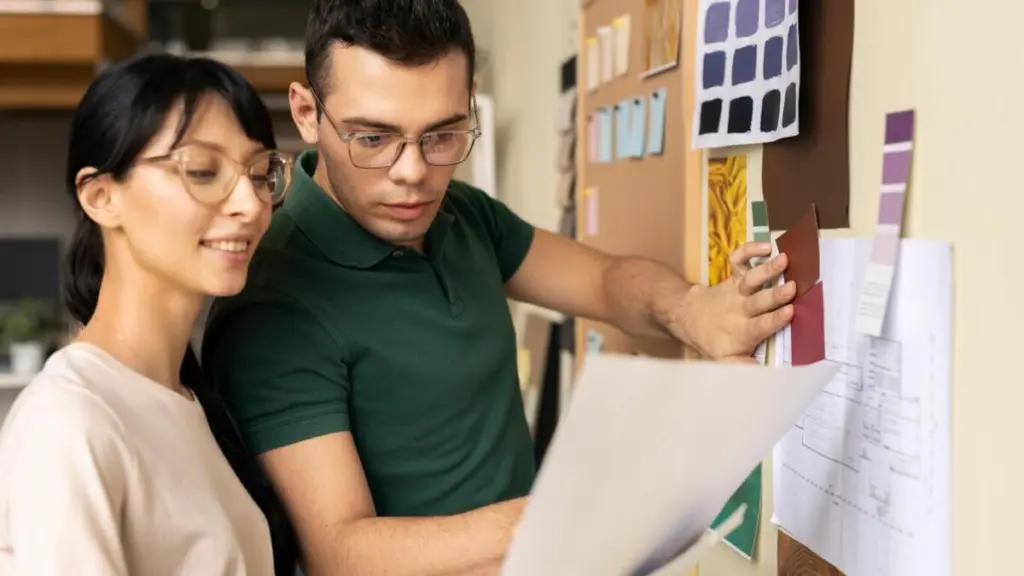
Design doesn’t stand still, and 2026 is proving that more than ever. The graphic design trends shaping this year blend tech with raw human creativity. You’re seeing AI tools that can generate mockups in seconds sitting right next to hand-drawn illustrations that feel personal and unpolished.
What makes 2026 different? Designers aren’t choosing between tech and tradition anymore. They’re mixing them. A brand might use AI to generate 50 logo concepts, then hand-finish the winner with custom lettering. Marketing campaigns combine slick 3D renders with grainy film photography. The rulebook is getting tossed out, and that’s making design way more interesting.
For businesses, keeping up with these trends means your brand doesn’t look dated before your campaign even launches. Whether you’re working with an in-house team or using graphic design services like Penji, understanding where design is headed helps you make smarter creative decisions.
What graphic design trends are dominating 2026?
Is AI really changing how designers work?
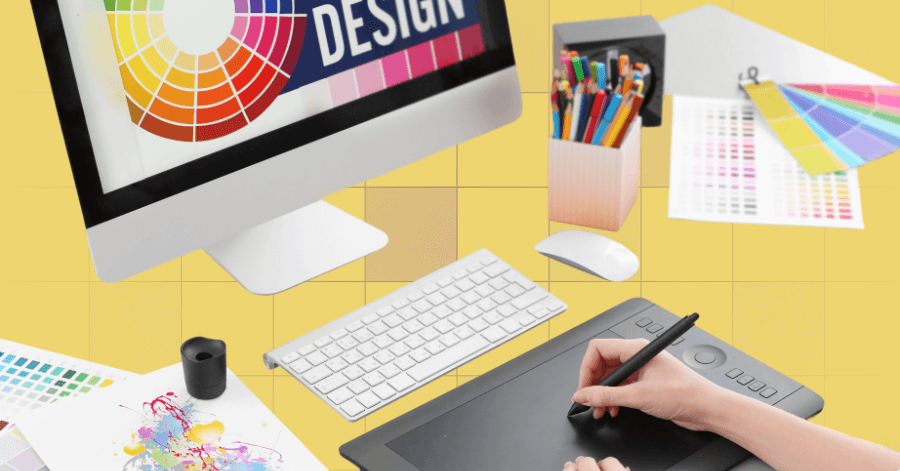
AI tools have gone from experimental to must-have. Designers use AI to speed up repetitive tasks like resizing assets, generating background variations, or creating initial concept sketches. But here’s the thing: AI isn’t replacing designers. It’s giving them superpowers.
The best work in 2026 uses AI as a starting point, not the finish line. A designer might generate 20 color palette options through AI, pick the strongest three, then refine them by hand. Generative design tools help explore possibilities faster, but human judgment still makes the final call.
Businesses benefit because turnaround times drop without sacrificing quality. Your design as a service team can test more concepts, iterate faster, and deliver options that would’ve taken weeks to create manually.
Why is maximalism making such a big comeback?
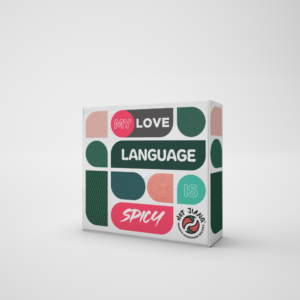
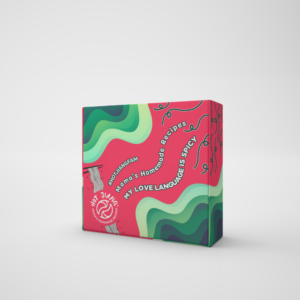
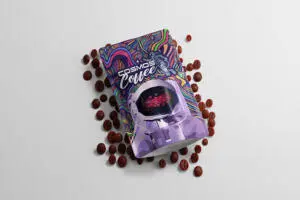
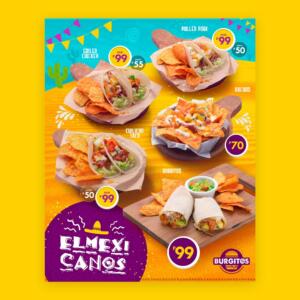
After years of minimalism and clean white space, designers are going bold again. Maximalist design packs every inch with color, pattern, texture, and energy. Think 90s rave posters meets modern tech aesthetics. It’s loud, chaotic, and demands attention.
This trend works because people are tired of everything looking the same. When every brand had a sans-serif logo and pastel colors, maximalism stood out by doing the opposite. Brands using this approach see higher engagement because the visuals actually make people stop scrolling.
Maximalism isn’t random chaos, though. Good maximalist design has structure underneath the madness. Colors are intentional, layouts guide the eye, and every element serves a purpose even when it looks wild.
What’s happening with 3D design and typography?
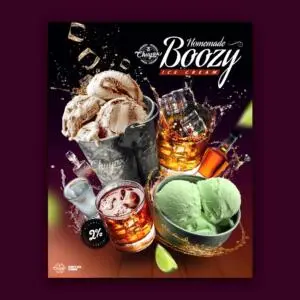
3D is everywhere in 2026, but not the glossy corporate 3D from the 2010s. Today’s 3D graphic design services create textures that feel tactile, typography that pops off the screen, and environments you want to explore.
3D typography especially is having a moment. Letters cast shadows, reflect light, and exist in space instead of sitting flat on a page. This works great for headers, logos, and social media graphics where you need instant impact.
The tech finally caught up to make 3D accessible. Tools that used to require a Hollywood budget now run on regular computers. Designers can add depth and dimension without spending days on rendering.
Is Y2K nostalgia still going strong?
Y2K aesthetics aren’t going anywhere. Chrome effects, butterfly clips, low-res digital cameras, and that specific flavor of optimistic futurism are still everywhere. But 2026’s version is more refined than the initial nostalgia wave.
Designers cherry-pick the best Y2K elements and mix them with modern techniques. You might see chrome text paired with clean layouts, or pixelated graphics next to high-res photography. It’s about capturing the vibe without copying it exactly.
This trend resonates because it taps into both nostalgia and optimism. Y2K design was hopeful about technology’s future, which feels refreshing compared to our current tech skepticism.
What is anti-design and why does it matter?
Anti-design deliberately breaks every rule you learned in design school. Clashing fonts? Check. Chaotic layouts? Absolutely. Colors that shouldn’t work together? That’s the point. This movement rejects polish in favor of authenticity and edge.
Brands using anti-design signal they’re different, rebellious, or too cool to follow trends (even though anti-design is now its own trend). It works for companies targeting younger audiences who see traditional corporate design as fake or boring.
The risk? Anti-design done badly just looks like amateur work. Done well, it feels intentional and fresh. The difference is whether there’s smart thinking behind the chaos.
How is sustainability influencing design choices?
Eco-conscious design isn’t just using green colors anymore. It’s about showing real commitment through visual choices. Brands are using earthy palettes, natural textures, hand-drawn elements, and materials that communicate sustainability without saying a word.
The future of graphic design includes designers considering the environmental impact of their work. Digital designs optimized for smaller file sizes use less energy. Print materials specify recycled stocks and eco-friendly inks. Even green marketing strategies reflect in visual identity.
Consumers spot greenwashing instantly now, so authentic sustainable design matters. Your visuals need to match your values, or people will call it out.
What role does motion play in modern design?
Static designs are losing ground to motion graphics and kinetic typography. Social media platforms prioritize video content, so even “graphic design” often includes animation now. Text that moves, logos that react, and graphics that transform keep viewers engaged longer.
You don’t need Hollywood-level animation. Simple movements like fade-ins, subtle bounces, or looping elements make designs feel alive. Graphic design solutions for business now include these motion elements as standard deliverables.
Motion also helps with information hierarchy. You can guide viewers through content by revealing elements in sequence rather than showing everything at once.
Are mixed media and collage aesthetics trending?
Collage is having a huge moment in 2026. Designers mix photography, illustration, textures, and type into layered compositions that feel handmade even when they’re digital. This trend works across everything from editorial layouts to brand campaigns.
The appeal? Collage feels human in a world of AI-generated perfection. Each element has visible edges, intentional overlaps, and a sense that a real person put this together. It’s the opposite of the smooth look that dominated the 2010s.
Brands using collage aesthetics feel more approachable and creative. It signals you’re willing to take risks and don’t take yourself too seriously.
How These Trends Apply to Your Business
You don’t need to use every trend in your brand. Pick what fits your audience, industry, and message. A law firm probably shouldn’t go full maximalist chaos, but a music festival should. A sustainable product line benefits from eco-conscious design, while a tech startup might lean into AI aesthetics.
Working with graphic design services helps you test trends without committing your entire brand identity. Try maximalist social posts while keeping your website clean. Use 3D typography for a campaign while your logo stays simple. Trends work best when they enhance your message, not overshadow it.
The future of graphic design isn’t about following every trend blindly. It’s about understanding what’s happening, why it works, and how to use those insights for your specific goals. Whether you’re a graphic design agency managing client brands or an in-house team keeping your company relevant, staying informed on graphic design trends gives you an edge.
Boost your business with unlimited graphic design
Try Penji risk-free for 30 days & get unlimited custom designs
Ready to Bring These Trends to Your Brand?
Don’t let your visuals fall behind while competitors level up. Penji’s unlimited graphic design services give you access to designers who know these trends inside and out and can apply them to your specific needs.
Start your 30-day money-back guarantee today and see how professional design keeps your brand fresh, relevant, and ahead of the curve.
Frequently Asked Questions
What are the biggest graphic design trends for 2026?
The biggest graphic design trends for 2026 include AI-assisted design, maximalist aesthetics with bold colors, 3D typography and immersive visuals, Y2K nostalgia mixed with modern elements, anti-design that breaks traditional rules, sustainable eco-conscious branding, kinetic typography with motion graphics, and mixed media collage aesthetics. These trends reflect both tech innovation and a return to human-centered creativity.
How is AI impacting graphic design in 2026?
AI in graphic design speeds up repetitive tasks like generating variations, resizing assets, and creating initial concepts. Designers use AI tools as starting points, then add human refinement to create unique final products. The technology helps teams test more ideas faster without replacing creative judgment. The best 2026 work combines AI efficiency with human artistic vision.
Should my brand follow every design trend?
No, choose trends that fit your brand identity, audience, and industry. A corporate B2B company might use subtle 3D elements and motion graphics while avoiding maximalist chaos. A consumer brand targeting Gen Z could embrace Y2K aesthetics and anti-design. Work with your design as a service team to test trends in campaigns before committing to full brand refreshes.
What makes 2026 design different from previous years?
2026 design blends technology with authenticity. Designers mix AI-generated content with hand-drawn elements, combine maximalist boldness with simple messaging, and balance digital perfection with intentionally imperfect aesthetics. The future of graphic design isn’t choosing between tech and tradition but using both to create something new and genuine.
How can I stay current with design trends?
Follow design publications, study brand campaigns from leading companies, and work with professional designers who track industry shifts. Using unlimited graphic design services gives you access to teams who stay current on trends and can apply them to your projects. Regular brand refreshes keep your visuals relevant without constant overhauls.
About the author

Flore
Flore’s passionate about turning ideas into clear, useful content that connects with people and performs on search. From blog posts and landing pages to full content plans, her work is grounded in purpose and always aligned with a bigger picture.